

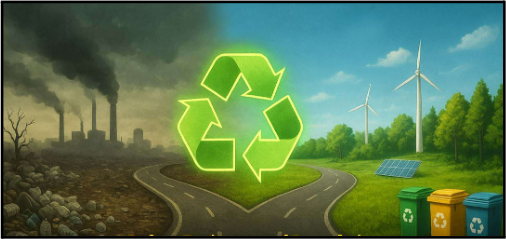
If you’ve ever wondered whether rinsing a bottle or saving a cardboard box really helps, you’re not alone. The truth is, everyday sorting adds up fast—at home, at work, and across whole cities. Banyan Nation, India’s pioneering circular plastics company, shows how better collection and cleaner recycled materials can keep value in the system instead of in landfills.
What Recycling Actually Does
Recycling keeps useful materials in play and reduces the need to extract, ship, and process fresh resources. That means less energy burned and fewer emissions released along the way. Around the world, cities already handle huge volumes of trash, and a significant share still isn’t managed safely—so every clean, sorted bag helps lighten the load. Done well, recycling slows environmental degradation by cutting pollution at the source and giving manufacturers reliable, high-quality inputs.
Where The Biggest Wins Come From
Some materials deliver outsized benefits when recycled. Take aluminum: making new metal from old cans saves about 95% of the energy compared to producing it from ore. That’s a massive saving, and it’s one reason many communities push hard for can collection. Clean paper and cardboard also matter, because mills can turn them into new boxes and sheets many times over. The pattern is simple: the more we keep materials clean and sorted, the more energy and money we save—and the more we prevent environmental degradation across mining sites, transport corridors, and factory stacks.
Plastics And Packaging: Closing The Loop
Packaging keeps products safe, but it often gets used once and tossed. A better path is to design packaging that can be collected and turned back into quality material, again and again. Banyan Nation focuses on exactly this idea—producing traceable recycled resins that meet tough standards for colour, odour, and performance so brands can confidently choose recycled content. For shoppers, that means the same quality you expect, with a lighter footprint behind the scenes.
The Circular Economy In Plain Words
Think of a circle instead of a straight line. In a straight line, we extract, make, use, and dump. In a circle, we reduce what we use, design products to last, and keep materials cycling through reuse and recycling. Global experts point to this shift as a key way to cut waste and emissions while building stronger local jobs. When cities, companies, and households move together in this direction, the results are cleaner streets, healthier air, and better long-term value from the things we buy.
Everyday Actions That Add Up
Small steps at home matter. Keep two main bins—one for wet waste, such as food scraps, and one for dry items, including bottles, cans, paper, and boxes. Give recyclables a quick rinse so they don’t soil the whole lot. Flatten cartons to save space. Put old chargers, wires, and phones in a separate box and hand them over at an e-waste drive. These habits take minutes but cut mess, reduce smells, and make your building’s collection day smoother for everyone.
In apartments, a simple poster near the chute or in the lobby helps a lot. In stand-alone homes, a crate by the door serves as a reminder for the family to sort before the pickup arrives. In both cases, the goal is the same: make the right action the easy action, every single day.
How Businesses Can Lead
Shops, offices, and small factories handle far more packaging than homes do, so simple systems go a long way. Place labelled bins near loading bays where boxes and plastic wrap first come in. Train housekeeping to keep recyclables clean and separate from food waste. Schedule a weekly pickup with a trusted partner. Publish a one-page update each quarter on what was collected and where it went—plain numbers, no fluff. When leaders set clear routines like this, teams follow, vendors cooperate, and environmental degradation linked to waste and resource use begins to fall in real, trackable ways.
Why Banyan Nation Matters
India needs more high-quality recycled material to meet brand goals and protect natural resources. Banyan Nation helps close that gap by working across the chain—from collection to cleaning to producing steady, traceable recycled plastic that top manufacturers can actually use. This matters because the more reliable recycled content becomes, the faster packaging and product makers will switch to it at scale. And when recycled inputs are trusted and plentiful, the case for a clean, circular system becomes impossible to ignore.
A Simple Plan For Your Home Or Office
Start this week. Pick a colour for your dry bin and a different one for your wet bin. Add one small box for e-waste. Put a reminder on your phone for collection day. Rinse and flatten as you go; don’t “save it for later.” If you manage a workplace, add clear labels in English and the local language, and walk your team through the routine once. Make one person the point of contact and keep their number on the notice board.
Got a little garden—or even a balcony corner? Set up a simple compost bin for peels and leftovers. No space? Ask your housing society about a shared composter, or check if a nearby farm accepts clean food scraps. For old cables and gadgets, note the next e-waste drive and make a small drop every three months.
Bringing It All Together
Recycling works best when it’s routine, not a one-off effort. Households that sort, buildings that plan, and brands that buy recycled content all push in the same direction. The payoff is simple: cleaner neighbourhoods, lower energy use, and fewer raw materials pulled from the ground. With companies like Banyan Nation proving that recycled plastics can meet tough quality needs, the path forward is clear—make it easy to do the right thing, and do it every day.