

There’s been a clear shift in how people think about energy. For decades, it was all about production, consumption and expansion. However, the focus has now changed. Climate warnings are louder, energy prices are fluctuating, and there’s growing pressure to move toward cleaner, smarter solutions.
In this changing landscape, renewable energy systems are not just appearing, they’re redefining how we power our lives.
Solar Power is Leading the Clean Energy Shift
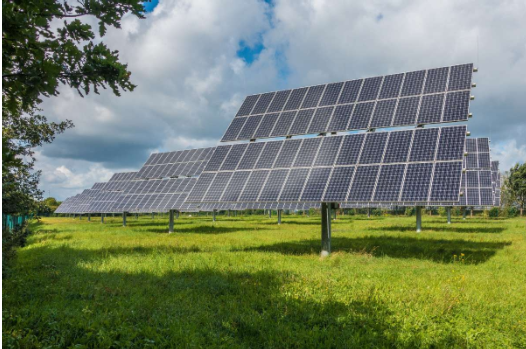
Solar energy isn’t new, but the way it’s being used has evolved. Rooftop panels have become a symbol of clean living, while large-scale solar farms across India are supplying significant power to state grids. On a smaller scale, homes are adopting smart inverters and compact batteries, making solar energy more reliable and personal.
The biggest leap is integration. Solar power now works in sync with storage, digital monitoring, and grid management. This makes it flexible enough to handle both small and large-scale demands without putting pressure on ageing infrastructure.
Wind Energy is Scaling Up with Better Efficiency
Wind turbines were once seen as costly and inconsistent, but that’s changing fast. Modern turbines are taller, more efficient and strategically located to capture steady wind flow. India’s coastal regions already have wind projects that run through most of the year with minimal interruption.
Wind energy is most powerful when it works with other systems. When combined with solar and backed by digital controls, one source often compensates for the other. This coordination is helping India move closer to a grid mainly powered by renewable sources, much like passing the baton smoothly in a relay race.
Battery Storage Systems are Stabilizing Energy Supply
Even the best solar and wind systems depend on nature, which doesn’t follow schedules. That’s where storage comes in. Lithium-ion batteries are leading the charge, while new options, like flow and sodium-based batteries, are also emerging.
Storage is no longer just about saving power for later. It stabilizes the grid, evens out fluctuations, and maintains a steady supply during sudden weather changes or power surges. When connected with intelligent software that predicts demand and usage patterns, storage systems don’t just store energy, they respond, forecast, and adapt. What was once an add-on is now central to the design of renewable systems.
Smart Grid Technologies are Modernizing Energy Distribution
The traditional grid moved power one way, from the plant to the pole to the plug. However, with electricity now generated from numerous locations, that old model no longer fits. Smart grids manage this complexity by tracking where energy is produced, how much is consumed, and where it’s needed most, all in real time.
They enable the instantaneous rerouting of power, preventing blackouts and allowing systems to run with far greater efficiency. With the help of data analytics and machine learning, smart grids can even predict demand shifts caused by festivals, weather, or local events. Without them, renewable sources would hit limits; with them, those limits keep moving higher.
Microgrids are Supporting Localized Energy Independence
While large grids power cities, smaller systems often make more sense for specific communities. Microgrids are compact, self-sustaining power systems designed for use in areas like campuses, hospitals, or remote towns. They’re especially useful in places where main grid access is unreliable.
Their biggest advantage is control. Microgrids can disconnect from the main grid during outages and reconnect once it stabilizes. Since they blend solar, wind and battery power, they reduce dependence on diesel generators, minimize transmission losses, and provide clean energy right where it’s needed most.
Digital Controls and AI are Optimizing Energy Flows
Clean energy is no longer just about generation, it’s also about smart management. Sensors, software, and algorithms now play a major role in how efficiently systems perform.
Digital platforms monitor every detail, from solar output and turbine performance to battery capacity and household usage. Artificial Intelligence (AI) takes it a step further by recommending when to draw from storage, when to shift supply, and when to reduce demand. This doesn’t just prevent failures; it saves costs, improves reliability, and keeps the system efficient without overbuilding.
Conclusion
There’s no single fix for the world’s energy needs. What’s working today is a coordinated mix of technologies, designed to work together, learn together, and grow together. That’s what renewable energy systems represent: not just clean power generation, but the smarter use and management of it.
Across India, this change is evident everywhere, from rooftops and farmlands to smart cities and rural regions. Organizations like Hero Future Energies are strengthening this foundation by focusing on tech-driven, scalable projects that seamlessly integrate into larger networks.
The coming years won’t just be about more panels or taller turbines. The goal is to build connected systems that communicate, adapt, and perform like a unified team because that’s how the green revolution becomes an everyday reality.