


If you’ve completed a job to a high standard and promptly, it’s only fair to expect the same time-efficient approach from customers when it comes to payment. Yet, it seems that this is an increasingly difficult thing to ensure, with around three-quarters of SMEs reporting a problem with late invoice payments.
This ‘late payment crisis’ is taking a significant toll on company operations, making it harder than ever to manage finances in keeping with demand. And, it’s an issue with frustratingly few simple fixes. Knowing how to follow up on a late invoice is essential for overcoming the worst of this problem, as is having a legal team on hand to help you navigate the late payment landscape. But, a large part of solving this epidemic might actually come into play at a far earlier, and more effective stage.
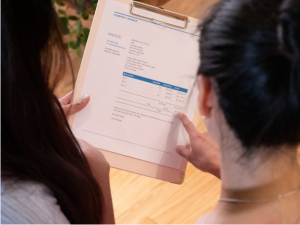
For instance, did you know that simple mistakes in your invoice creation itself may impact how quickly customers are driven to pay? Keep on reading to find out what they are, and how rectifying them could save you a world of hassle and expense down the line.
# 1 – Vague Payment Breakdowns
If you’re sending an invoice with unexplained payment amounts, then you can expect delays. In the best-case scenario, customers facing an invoice like this will delay payment by getting in touch with your team for clarity. In the worst case, they’ll simply put your invoice aside in frustration.
This is an issue you can overcome by clearly breaking down those expenses. Ideally, you should itemise materials, labour charges and any additional costs involved. Customers can then see what they’re paying and why at a glance, making it far harder for them to contest timely completion.
# 2 – Unclear Payment Terms
Unclear payment terms could see clients altogether forgetting to pay your invoice, or simply failing to feel any urgency. Worse, uncertainty around things like payment dates means you have very few options for chasing payment later.
This is why it’s so important to always include a clear and fully visible date by which you expect payment. There’s no set rule as to when this date should be, but it could depend on a pre-existing client arrangement, industry norms, or simply your financial timeline.
# 3 – A Lack of Easy Payment Options
Customers are also unlikely to pay you quickly if they have to go to excessive lengths to send you money. In fact, the more effort they have to take, the less likely you are to see payment at all.
This leaves cheque and cash payments pretty much off the table. Even bank transfers are falling out of favour. Instead, it’s worth implementing systems that allow you to accept online payments directly from your invoices themselves. This way, customers can quite literally read their invoice, look at your terms, and make a payment before they even have a chance to forget about it!
These invoice turnoffs could be taking a significant toll on your time to payment, so make sure to avoid them at all costs!