

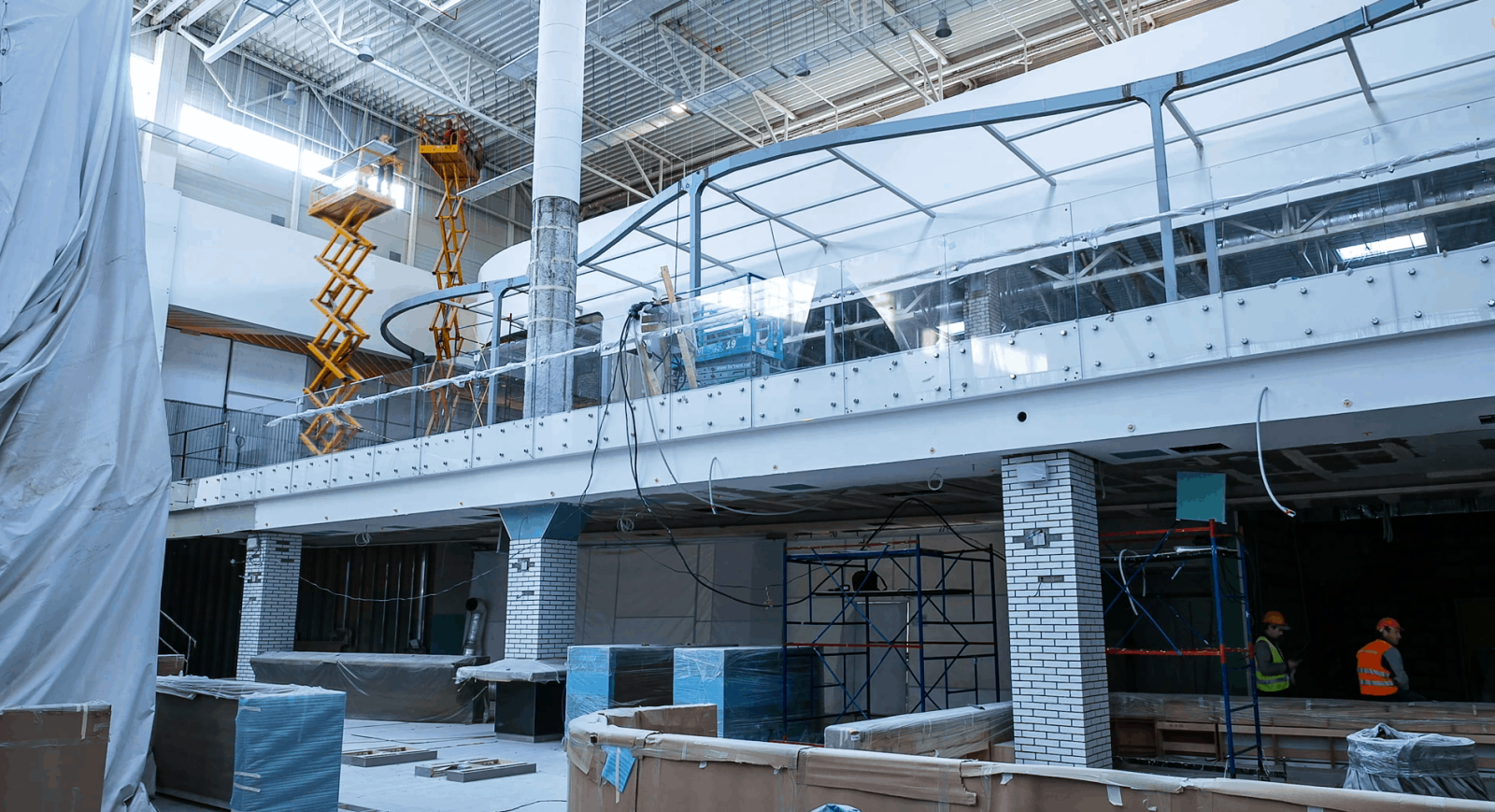
When you’re running a business facility, electrical problems don’t show up politely. They interrupt operations, create safety risks, and can trigger expensive downtime if you can’t get the right help quickly. That’s why companies that manage warehouses, offices, hotels, government buildings, and industrial sites often look for a contractor that can handle both planned projects and urgent service calls. Martin Electrical Systems positions itself in that lane, serving commercial and industrial properties across the Dallas–Fort Worth Metroplex.
This article breaks down what Martin Electrical Systems does, the types of projects they typically support, what to expect when hiring a commercial electrical contractor, and how to plan electrical work in a way that protects uptime and budget.
What Martin Electrical Systems Does
Martin Electrical Systems is a licensed and insured electrical contractor focused on commercial and industrial work in the Dallas–Fort Worth area. Their service mix spans larger construction projects and day-to-day electrical needs, which matters because many businesses need both: a team to wire a buildout and a team to respond when a panel issue takes down part of a facility.
From the company’s own service descriptions, the work commonly includes new construction and remodel construction, plus a service department that handles emergency calls. They also list support for specialized industrial applications such as saltwater disposal and injection wells, which suggests experience beyond basic tenant improvements.
Common Facilities and Project Types They Support
Commercial electrical work is rarely one-size-fits-all. A warehouse has very different needs than a hotel, and an auto service center has different loads and equipment demands than a typical office suite. Martin Electrical Systems specifically calls out work across property types like warehouses, hotels, government buildings, offices, and auto service centers, which gives you a sense of their typical operating environment.
In practical terms, that kind of client mix usually involves a lot of the following: power distribution planning, lighting design and upgrades, panel and breaker work, equipment circuits, code compliance updates, and troubleshooting when something trips or fails during business hours.
New Construction Electrical Work
New construction is where electrical planning can either set a facility up for years of smooth operations or lock in avoidable headaches. In commercial builds, good electrical work is more than “run the wire and install the fixtures.” It includes load calculations, panel and transformer sizing, conduit planning, coordination with other trades, and making sure the final installation supports the way the space will actually be used.
Martin Electrical Systems lists new construction as a core service area. For a business, this typically means working from plans and specs, coordinating inspections, and delivering a system that passes code while still being practical for maintenance teams later.
Remodel Construction and Tenant Improvements
Remodels can be trickier than new builds because you’re working around existing infrastructure, unknown conditions behind walls, and often a tight timeline that is driven by lease dates or operational needs. A tenant finish-out might involve moving circuits, adding dedicated runs for new equipment, upgrading lighting, adjusting emergency exit signage, and bringing older sections up to current code.
Martin Electrical Systems lists remodel construction as part of their service lineup, and their focus on commercial and industrial work makes that especially relevant for tenant improvement projects and facility updates.
Service Calls and Emergency Electrical Support
For many facilities, the most valuable contractor relationship is the one that shows up when something goes wrong. A tripped breaker that won’t reset, a burnt smell near a panel, a sudden power drop on one section of a building, or a piece of equipment that keeps faulting can all shut down operations quickly.
Martin Electrical Systems highlights a service department and emergency calls as a dedicated service offering. In real-world terms, that usually means dispatch, troubleshooting, isolating the issue, and either fixing it on the spot or making the site safe until parts or additional work can be completed.
Lighting Repairs and Upgrades
Lighting is one of the most common commercial electrical upgrades because it impacts safety, productivity, customer experience, and energy cost. Many businesses also use lighting upgrades as a way to modernize a space without a full renovation. Depending on the facility, this can include LED retrofits, replacing failing fixtures, upgrading exterior lighting, adding occupancy sensors, or improving lighting levels in work areas.
Martin Electrical Systems lists lighting repairs or upgrades as part of its commercial and industrial service menu. If you’re managing a property, this is often one of the simplest projects to budget for because the ROI can be clear: better lighting quality and lower maintenance over time.
New Equipment Wiring and Power for Critical Systems
Industrial and commercial spaces often need dedicated power runs for new equipment, whether it’s warehouse conveyor systems, automotive lifts, commercial kitchen equipment, or specialized industrial machinery. The challenge is that equipment wiring is not just a plug-in job. It can require dedicated circuits, correct breaker sizing, disconnects, proper grounding, and coordination so you do not overload existing panels.
Martin Electrical Systems specifically lists new equipment wiring among its services. This category is especially important because missteps here can lead to repeated faults, nuisance trips, and even equipment damage.
Electrical Demolition for Remodels and Reconfigurations
Electrical demolition sounds simple, but it’s a high-risk step if it’s not done carefully. In commercial settings, demo work must protect the circuits you still need, ensure safe lockout and tagging, and keep the site compliant during construction. It also has to be coordinated with general contractors and other trades so you’re not tearing out something another team depends on.
Martin Electrical Systems includes partial or complete electrical demolition in its service list. That typically comes up in remodel construction, tenant improvements, and industrial retooling projects.
Specialized Industrial Work
One detail that stands out in the company’s own service framing is the mention of saltwater disposal and injection wells. That is not a typical line item for many general commercial electricians, and it suggests experience in specialized industrial settings where electrical reliability and safety standards tend to be strict.
If you operate in industrial environments, this kind of experience can matter because industrial sites often involve motor controls, pumps, control panels, and systems that must run consistently with minimal interruption.
What to Look for When Hiring a Commercial Electrical Contractor
Even if you’re specifically searching for Martin Electrical Systems, it helps to know how to evaluate any commercial electrician for your project. Commercial and industrial electrical work can vary wildly in complexity, and the wrong fit often shows up as missed timelines, change orders that keep piling up, or fixes that don’t hold.
A practical first step is verifying licensing and insurance and confirming they regularly do work in your type of facility. Martin Electrical Systems describes itself as licensed and insured and focused on commercial and industrial clients, which aligns with that baseline expectation. You also want clarity on whether the contractor can handle both planned work and reactive service, because many facilities need a partner that can do both without treating service calls as an afterthought.
How to Scope a Project So It Stays on Budget
Electrical projects go sideways most often when scope is vague. If you want predictable pricing, your scope needs to be specific about what is being installed, what is being replaced, and what stays. For example, lighting upgrades should clearly define fixture counts, control systems, and any required changes to emergency lighting. Equipment wiring should define voltage, phase, disconnect requirements, conduit runs, and whether the contractor is responsible for terminations at both ends.
When contractors quote commercial jobs, a detailed scope reduces “unknowns,” and unknowns are what often drive change orders. A good contractor will also flag risks early, like panels at capacity, outdated wiring, or code issues that need to be addressed before new loads can be added.
Planning Around Operations and Downtime
A big difference between residential and commercial electrical work is that businesses cannot simply “turn everything off for the day.” Many facilities need phased work, night work, weekend work, or carefully scheduled shutdowns. Even a brief outage can impact production schedules, inventory systems, security systems, or customer-facing operations.
If you’re planning a project with Martin Electrical Systems, the most helpful way to reduce friction is to communicate operational constraints early. Identify your non-negotiable uptime windows, critical loads that cannot drop, and any safety or security requirements tied to electrical systems.
Safety and Code Compliance Expectations
Commercial electrical work is inherently safety-driven. It involves higher loads, more complex distribution, and public or employee safety considerations. That’s why experienced commercial teams emphasize training and code compliance. Martin Electrical Systems notes that its journeymen and apprentices have years of experience and ongoing training to stay current with city requirements and state codes.
For a facility manager, that matters because inspections and compliance are not optional, and the cost of non-compliance can show up later through rework, failed inspections, or liability exposure.
When It Makes Sense to Build an Ongoing Relationship
Many businesses treat electrical support as a one-off purchase. In practice, it’s often smarter to build a long-term relationship with a contractor you trust, especially if you operate multiple sites or manage facilities with frequent changes. An ongoing relationship tends to lead to faster response, better understanding of your building history, and more proactive planning for upgrades before failures happen.
If you’re already working with Martin Electrical Systems for a buildout or major project, it can be worth thinking about how service calls and preventive improvements fit into your longer-term facility plan, particularly around panels, lighting, and high-wear systems.
Practical Takeaways
If you’re evaluating Martin Electrical Systems for a commercial or industrial job, the main themes to focus on are project fit, response capability, and scope clarity. Their stated service areas cover new construction, remodel construction, emergency service calls, lighting work, equipment wiring, and electrical demolition for commercial and industrial properties in the Dallas–Fort Worth area.
Conclusion
Electrical work is one of those categories where the quality of the contractor directly affects business continuity. Whether you’re building out a warehouse, updating a tenant space, upgrading lighting, wiring new equipment, or dealing with an unexpected outage, the goal is the same: safe systems, clear documentation, and work that holds up over time.
Martin Electrical Systems presents itself as a commercial and industrial partner for the Dallas–Fort Worth Metroplex, with services spanning construction projects and responsive service support.