

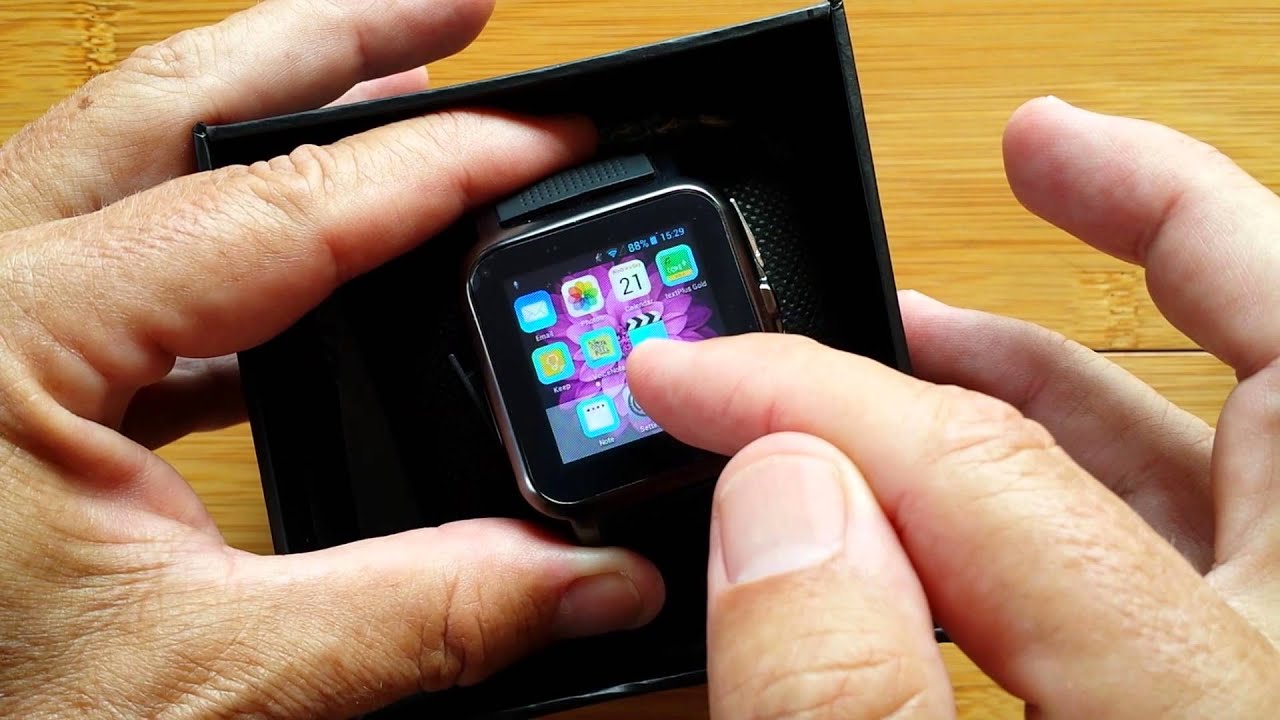
A smartwatch is a wrist-worn device that combines timekeeping with connected technology, including fitness tracking, heart-rate monitoring, sleep analysis, call support, and notification management. It pairs with a smartphone over Bluetooth to relay alerts and display health data. Depending on the model, you get anything from basic step counting to AMOLED displays, GPS tracking, and IP68 water resistance.
What Is a Smartwatch?
Think of it as a small computer on your wrist that talks to your phone and pays attention to your body.
Traditional watches tell the time. A smartwatch does that too, but it also tracks your heart rate, logs how well you slept, reminds you to move when you’ve been sitting too long, and buzzes when something on your phone needs attention. The better models do all of this while looking like something you’d actually want to wear.
Features across most current models include heart-rate monitoring, sleep tracking, step counting, sports modes, call and notification support, and music control. Premium models add GPS, AMOLED displays, SpO2 blood oxygen readings, stress monitoring, and women’s health tracking.
What Is a Smartwatch Used For?
Mostly the same things your phone already handles, just without having to pull it out.
Fitness tracking is the obvious one: steps, calories, heart rate during a run, and workout summaries. Sleep tracking has also become genuinely useful for people trying to understand why they feel tired after a full night’s sleep.
Beyond health, the daily convenience angle is what keeps people wearing one long after the novelty fades. Caller ID during a meeting. Music skipped without touching your phone on the treadmill. A quiet vibration for a message when your phone is on silent. Small moments, but they add up across a full day.
How Does a Smartwatch Work?
- It pairs with your phone via Bluetooth and continuously syncs data through a companion app.
- Sensors inside the watch collect biometric data throughout the day: heart rate, movement, skin temperature, and blood oxygen levels. That data gets processed on the watch and stored in the app, where you can review trends over days and weeks.
- Notifications push to the watch display in real time. Calls route through the built-in speaker and microphone when your phone is nearby. Voice assistants respond to a button press or raise-to-wake gesture depending on the model.
- Display quality also varies. AMOLED screens produce sharper contrast and perform much better in direct sunlight than standard LCD panels. Battery life across current models runs roughly 5 to 14 days, depending on the features running. Always-on display and active GPS take the biggest toll.
What Are the Health Benefits?
The main benefit is visibility. When health data appears on your wrist every day, it becomes harder to ignore.
Tracked metrics across most models include:
- Resting and active heart rate
- Sleep duration and stages
- Daily steps and calories burned
- Blood oxygen saturation
- Stress levels
- Movement reminders
- Menstrual cycle tracking on select models
One honest note: these readings are useful for spotting patterns and building habits, not for clinical diagnosis. Accuracy varies depending on fit, skin tone, and motion. Use the data for habit improvement rather than medical decisions.
Is a Smartwatch Worth Buying?
For most people, yes. It makes the most sense for people who want fitness data without a separate tracker, take frequent calls while doing other things, are building sleep or exercise habits and need daily numbers to stay accountable, or prefer a wrist glance over picking up a phone every few minutes.
Where it makes less sense: if you only want audio and calling, smart glasses handle that job more specifically. If you want maximum battery life with minimal features, a fitness band will outlast a smartwatch by a noticeable margin.
A smartwatch extends what your phone does. It does not replace it.
What to Look for Before Buying
Start with your actual routine rather than a feature checklist.
- Display type. AMOLED versus LCD changes how usable the screen is outdoors. If display quality matters, AMOLED is worth prioritising.
- Dial shape and size. Round or square comes down to personal preference and wrist size. Neither is objectively better, but one will look right to you, and the other will not. That matters because you are wearing this every day.
- Health sensors. Heart rate is standard. SpO2, stress, and menstrual tracking are available on more models now, but not all. Match sensors to what you will actually use.
- Battery life. Five days’ work for most people. Seven or more gives breathing room. Factor in GPS and always-on display if you plan to use them.
- Water resistance. IP68 covers swimming. IP67 handles splashes and rain. Know the difference between water exposure and your day.
- Call support. Confirm the model has a built-in speaker and mic if Bluetooth calling is a reason you are buying.
What Fire-Boltt Offers
Fire-Boltt covers budget, mid-range, and fashion-forward options for men and women. The range is organised by display type, dial shape, strap style, and use case, from rugged outdoor models to AMOLED premium picks and value options under Rs. 2,000.
Features shared across the range include Bluetooth calling, heart-rate and SpO2 monitoring, sleep and stress tracking, 100-plus sports modes on many models, notification and music control, IP68 water resistance on select models, round and square dial options, and interchangeable strap support. Women-specific health features are available on select models.
Smartwatch vs Fitness Band
| Feature | Fitness Band | Smartwatch |
| Experience | Lighter, simpler | Full touchscreen, more style options |
| Battery Life | Lasts two to three weeks | Shorter in exchange |
| Display & Interaction | Small display, minimal fuss | Full touchscreen, app notifications |
| Communication | Calling/full notifications mostly absent | Bluetooth calling |
| Functionality | Basic step and heart-rate tracking | Wider sensor range |
| Price Range | Rs. 1,000 to Rs. 5,000 | Rs. 1,500 upward to Rs. 50,000+ |
Frequently Asked Questions
Does a smartwatch work without a phone? Stored functions such as the clock, alarms, and synced health data operate independently. Real-time notifications and call routing require an active Bluetooth connection.
How accurate is the health tracking? Heart-rate tracking is reliable for trend monitoring. SpO2 and stress readings give useful directional data but are not clinically precise. Use the data to build habits rather than diagnose conditions.
How long does the battery last? Most models deliver 5 to 10 days of battery life per charge. Fire-Boltt mid-range models typically offer about 7 days of battery life. Always-on display and GPS significantly reduce this.
What is AMOLED in a smartwatch? AMOLED stands for Active Matrix Organic Light Emitting Diode. It delivers sharper contrast, more vivid colour, true blacks, and better outdoor readability than standard LCDs. True blacks also reduce battery drain when dark watch faces are active.
Is a smartwatch a good gift? Yes. Practical daily use, visual variety, and accessible pricing make it a strong gifting option. Factor in the recipient’s style preference and whether they prioritise fitness features or design.