

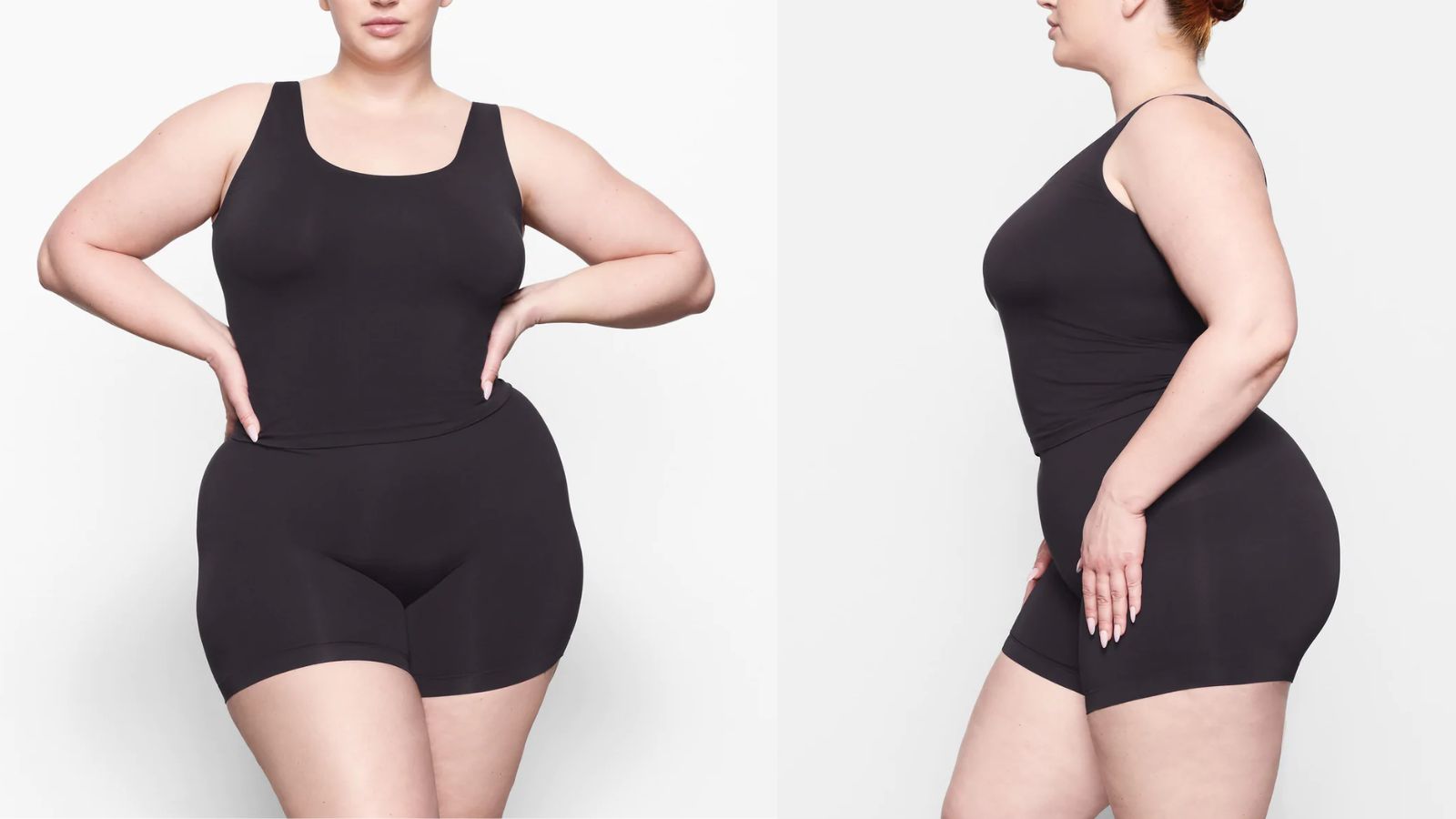
The way an outfit fits through the hip area has a disproportionate effect on how the entire look reads. Clothing that sits well through the hips — where the fabric follows a smooth, even curve from the waist downward — looks tailored and intentional regardless of its price point. Clothing that doesn’t sit well in this area tends to pull, gap, or bunch in ways that are difficult to correct at the garment level alone. The issue often isn’t the clothing. It’s what’s underneath it.
Hip sculpting basewear addresses this directly. Designed specifically to smooth, fill, and shape the hip area before the outer layer of clothing goes on, these garments have become a quiet but meaningful part of how women who wear fitted clothing regularly approach getting dressed.
The Hip Area and Why It’s Difficult to Dress
The hip area presents a specific fit challenge that most other parts of the body don’t. It isn’t a single surface — it’s a transition zone between the waist, the outer hip, and the upper thigh, involving curves that vary significantly between individuals and that don’t always correspond neatly to the sizing architecture that most clothing is built around.
Standard clothing is typically designed around proportional measurements that assume a relatively even transition from waist to hip. Bodies don’t always work that way. Hip dips — the natural inward curve that occurs on the outer hip between the hip bone and the top of the thigh — are a normal anatomical feature that a large proportion of women have, and they create a specific visual interruption in that waist-to-hip curve that fitted clothing picks up and amplifies.
This is the exact problem that hip dip shapewear is designed to solve. By adding targeted volume or smooth compression precisely at the area where the natural contour dips inward, hip dip shapewear fills the visual gap and creates the continuous curve that fitted clothing is designed to follow. The result is clothing that sits more evenly across the hip area and drapes more smoothly from the waist downward — without any alteration to the clothing itself.
What Hip Shaping Shorts Do Differently
Hip shaping shorts approach the hip fit problem from a broader angle than targeted hip dip solutions alone. As a garment category, hip shaping shorts combine compression through the midsection and thighs with a structured or padded outer hip panel that adds width and roundness at the fullest point of the hip.
The effect is a more pronounced hip-to-waist ratio — a fuller, rounder hip profile that creates the curves that clothing with a defined hip shape is built to accommodate. For women whose natural hip width is narrower than their clothing size requires, or who want a more defined hourglass transition from waist to hip, hip shaping shorts fill that gap practically and immediately.
The construction of quality hip shaping shorts distributes the added shape naturally. The outer hip panels are tapered at the edges rather than having a defined boundary, which means the transition between the shaped area and the surrounding natural contour is gradual enough to read as authentic under clothing. Hard-edged or poorly positioned hip panels produce an obvious, artificial result — the quality of construction in this area is one of the most reliable indicators of how a garment will perform under fitted fabric.
How Each Outfit Type Benefits
The improvement that hip sculpting basewear produces varies depending on the type of clothing worn over it, but the principle is consistent across all fitted styles: a smoother, more even hip surface allows clothing to behave as it was designed to.
Fitted dresses and skirts benefit most visibly. A bodycon dress or a pencil skirt follows every contour of the hip area exactly, which means hip dips, uneven curves, and narrow hip profiles are all reflected in how the fabric sits. Hip dip shapewear smooths the inward curves; hip shaping shorts fill and round the outer hip. Either way, the fabric follows a more continuous, even curve from the waist downward.
Tailored trousers present a different challenge. The structured fabric of trousers doesn’t stretch to accommodate the hip area the way jersey or bodycon fabric does — it either fits the hip correctly or it doesn’t. For women who find that trousers fit the waist but are too loose through the hip and seat, hip shaping shorts add the volume needed to fill the garment correctly. This is particularly noticeable in straight-cut and wide-leg trouser styles, where the fit through the hip sets the shape for the entire leg below.
Jeans follow similar logic. A pair of jeans cut for a more curvaceous figure sits differently on a narrower hip than it was designed to — there’s excess fabric through the seat and outer thigh that bunches rather than falling cleanly. Hip shaping shorts fill the hip area to the proportions the jeans were built for, and the result is a better-fitted garment without any alterations.
Midi and maxi skirts with a fitted waistband and a flowing skirt are a slightly different case. The skirt portion falls freely, so hip shaping is less relevant below the hip. What matters here is the waistband sitting evenly and the initial fall of the fabric from the widest point of the hip — which hip sculpting basewear still influences at that transition point.
Hip Dip Shapewear Specifically
Hip dip shapewear is a more targeted intervention than full hip shaping shorts, and it’s worth distinguishing between the two for women who are addressing a specific contour issue rather than wanting overall hip enhancement.
The hip dip — the inward curve on the outer hip — creates a visible shadow or indent under fitted fabric. This is particularly noticeable in bodycon styles, fitted jersey fabric, and any clothing that follows the outer hip contour closely. Hip dip shapewear uses light padding or structured foam at precisely this location to fill the indent and create a continuous outer hip curve.
The best hip dip shapewear is subtle in its approach. The padding is minimal — enough to smooth the dip without adding obvious width — and positioned accurately at the outer hip rather than at the fullest part of the buttocks. Misplaced padding produces an unnatural shape that calls more attention to the hip area rather than less. Precision of placement is the most important quality criterion in this specific garment type.
For women who are happy with their overall hip width but want to address the specific contour interruption that hip dips create, targeted hip dip shapewear is more appropriate than full hip shaping shorts. The latter adds volume across the entire outer hip; the former addresses a specific point on the curve.
Wearing and Caring for Hip Sculpting Basewear
For garments that incorporate padding — whether hip dip shapewear or hip shaping shorts with structured outer panels — care is more specific than for standard compression shapewear.
Machine washing on a regular cycle compresses and distorts foam or structured padding over time, particularly at higher temperatures. Hand washing in cool water is the most reliable method for preserving the shape and position of the padding. If machine washing is necessary, a mesh laundry bag on a cold, gentle cycle is the next best option.
Padding should never be wrung out after washing, as this distorts the internal structure. Pressing gently with a towel and air drying flat preserves the natural shape of the padding and ensures the garment continues to perform as intended after repeated washing.
The Fit Improvement That Comes From the Inside
Hip sculpting basewear doesn’t change the clothing — it changes what the clothing has to work with. A smooth, evenly curved hip surface gives fitted garments the foundation they need to behave correctly, and the fit improvement that results from that adjustment is visible across outfit categories, body types, and occasions.
Hip shaping shorts and hip dip shapewear each address a specific aspect of hip fit, and understanding the difference between them makes it possible to choose the right tool for the specific challenge an outfit presents. That precision — matching the garment to the problem rather than defaulting to the most coverage available — is what produces a genuinely seamless result.