

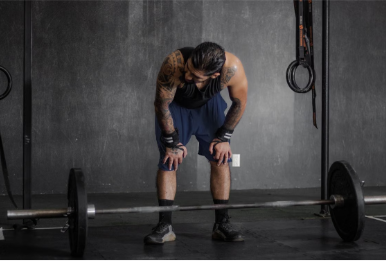
Training hard is only half of the equation.
The other half? Recovery. And most athletes get it completely wrong.
Hours in the gym. Brutal workouts. Then they come home and do… NOTHING. No direction. No gameplan. They just hope their body knows what to do.
Here’s the truth:
Little changes to your recovery can make big impacts on your training, performance, and day-to-day wellness. The coolest part is they don’t often take massive shifts in your lifestyle or deep pockets to see improvements.
This article covers the biggest small upgrades athletes are using currently to recover faster and train harder.
Let’s jump in.
What You’ll Discover:
- Why Recovery Is Just As Important As Training
- Oxygen Therapy For Athletes Explained
- Sleep Upgrades That Actually Work
- Simple Nutrition Tweaks For Faster Recovery
- Movement-Based Recovery Habits
Why Recovery Is Just As Important As Training
Muscles don’t grow in the gym.
They develop while you’re sleeping. That’s when recovery occurs; muscles heal, glycogen stores are replenished, and the nervous system recovers. If you don’t recover then all of your training is for nothing.
Studies show this to be true. Mass General Brigham reports that an athlete’s body recovers from muscle breakdown best when the body spends roughly 50% or more of its sleeping time in deep sleep.
That’s a big deal.
Without proper recovery, you’ll notice things like:
- Slower progress in the gym
- More injuries
- Constant fatigue
- Poor sleep quality
- Weaker immune system
Now to the small upgrades that can actually turn this around.
Oxygen Therapy For Athletes: The Underrated Boost
Oxygen therapy for athletes is one of the most talked-about recovery methods right now.
Why? More oxygen allows your body to recover faster. Improved oxygen levels lead to decreased inflammation, increased muscle repair, and all-around recovery from hard workouts.
There are two main approaches:
- Supplemental oxygen – breathing higher concentrations of oxygen at normal pressure
- Hyperbaric oxygen therapy (HBOT) – breathing pure oxygen inside a pressurised chamber
HBOT is the superior choice since pressure allows oxygen to penetrate your tissues and bloodstream further. Investing in a hyperbaric chamber for sale for home use is becoming increasingly popular with hardcore athletes looking to incorporate this kind of recovery into their training regimen. It’s a game changer… but don’t take that at face value.
Studies have even shown real results as well. The Turkish Journal of Sports Medicine reported research that discovered athletes who received HBOT recovered quicker from workouts and injuries.
Here’s when oxygen therapy tends to help most:
- Recovering from intense training blocks
- Bouncing back after competition
- Healing minor injuries faster
- Reducing delayed-onset muscle soreness (DOMS)
- Improving endurance capacity over time
It’s not magic. But it can take actual days off recovery time when used properly and consistently. Get athletes back to the gym sooner.
Sleep Upgrades That Actually Work
Sleep is the most powerful recovery tool available. Full stop.
But most athletes don’t make it a priority. Phone calls before bed… poor bedroom setup… irregular sleep schedule. It all sabotages recovery.
Sleeping more hours isn’t always the answer to getting better sleep. Sometimes small improvements can be better than adding on hours. Consider these tips:
- Cool your bedroom to 18–20°C – body temperature drops during sleep
- Cut screens 45 minutes before bed – blue light delays melatonin
- Set a consistent wake-up time – even on weekends
- Blackout curtains or an eye mask – total darkness improves deep sleep
- A short pre-sleep routine – signals your brain to wind down
Even one or two of these can push your recovery forward.
Athletes who get quality deep sleep will see:
- Better strength gains
- Faster tissue repair
- Sharper mental focus during training
- Fewer nagging injuries
Small changes. Big rewards.
Simple Nutrition Tweaks For Faster Recovery
Recovery starts in the kitchen.
Don’t worry about an intense meal plan or supplements. Timing and quality of the food you eat before and after training is most important. Nutrients will help rebuild muscle, refill energy stores and decrease inflammation.
Here are the easy upgrades to try.
Post-Workout Protein
Consume 20–40 grams of protein within an hour after your workout. This supplies your muscles with the building blocks to recover.
Good options include:
- Whey protein shakes
- Eggs
- Chicken or fish
- Greek yogurt
Hydration + Electrolytes
Water alone isn’t going to cut it post hard workout. Re-hydrating means replacing electrolytes (Na+, K+, Mg++) as well. Try adding a pinch of salt to your bottle.
Anti-Inflammatory Foods
Adding these to your regular diet supports natural recovery:
- Berries
- Fatty fish (salmon, mackerel)
- Leafy greens
- Turmeric
- Green tea
Small changes like this compound over time. Weeks. Months. And they’re sustainable, which mega diet changes never are.
Movement-Based Recovery Habits
Rest doesn’t always mean sitting on the couch.
Active recovery (light movement on rest days) promotes blood flow and helps clear waste out of your muscles. It’s one of the easiest and most beneficial upgrades for an athlete. Plus, it’s free.
Try these low-effort options:
- Light walking – 20–30 minutes on rest days
- Easy cycling – keeps blood moving without adding stress
- Foam rolling – reduces muscle tightness and improves mobility
- Swimming – low-impact and great for full-body recovery
- Yoga or mobility work – improves flexibility and reduces injury risk
Intensity is the most important thing to keep very low. If you are puffing and huffing you are pushing too hard. Active recovery is NOT a work out, it’s a means to recover.
Aim for 2–3 sessions per week and pair them with your normal training days.
Small Upgrades. Big Results.
Here’s the thing about recovery…
It’s not the fun and glamorous part of training. It’s not the deadlift PR or crossing the marathon finish line. But it’s what everything else is built upon. Without it, progress plateaus, injuries accumulate and motivation dies fast.
Ignore recovery and progress stalls.
Prioritise it, even with just small upgrades, and you’ll see:
- Better performance
- Fewer injuries
- More consistent training
- Faster progress toward your goals
You don’t have to do all of this at once. Choose one or two things from this article to implement. Whether it be oxygen therapy or sleep or nutrition. Work on them for a few weeks and see how your body reacts.
Then layer in more.
It’s a marathon, not a sprint. Little things really do matter in the end.