

Introduction
Many people feel alarmed the moment they hear the words “gum disease.” A common and understandable question quickly follows: Can it actually be reversed? The answer depends on how early the condition is detected and how effectively it is treated. Gum disease does not appear overnight, and neither does recovery. However, with timely action and the right approach, modern gum disease treatment can stop progression and, in some cases, fully reverse the damage.
In Singapore, dentists regularly manage gum disease at different stages, from mild inflammation to advanced periodontal breakdown. Understanding which stages are reversible, what treatment options exist, and what to expect helps patients make informed decisions and protect their long-term oral health.
Understanding Gum Disease and Its Progression
Gum disease, medically referred to as periodontal disease, develops when bacterial plaque accumulates around the gums and teeth. If left untreated, this bacterial infection triggers inflammation that gradually damages gum tissue and the bone supporting the teeth.
Dentists typically classify gum disease into two main stages:
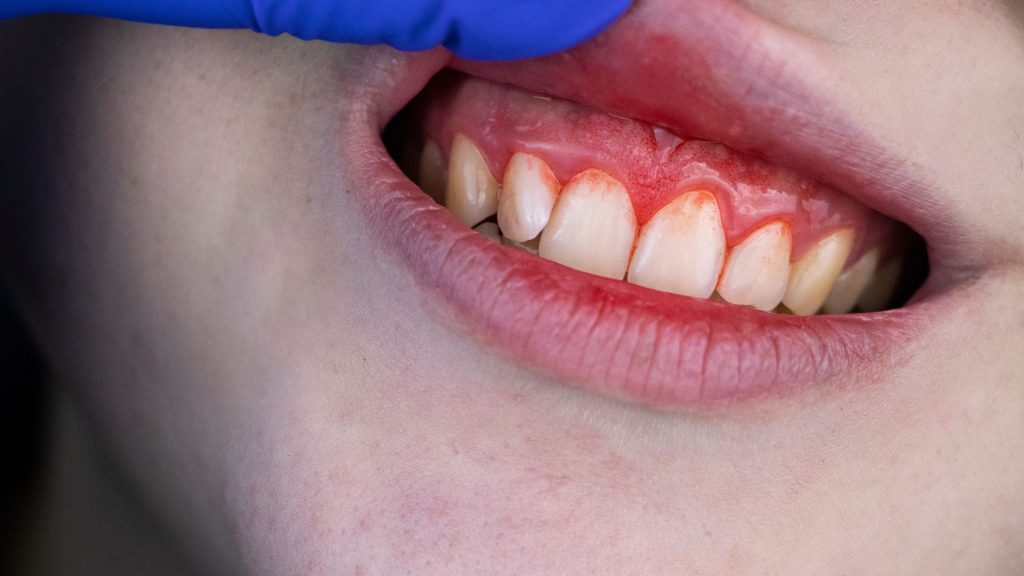
- Gingivitis, the earliest stage marked by inflamed, bleeding gums
- Periodontitis, an advanced stage involving gum recession and bone loss
Reversibility depends heavily on which stage the disease has reached. Early gum disease treatment focuses on eliminating inflammation, while later stages aim to control damage and preserve remaining structures.
Can Early Gum Disease Be Reversed?
Gingivitis: A Reversible Condition
The good news is that gingivitis is fully reversible. At this stage, gums may bleed during brushing, appear swollen, or feel tender, but no permanent damage has occurred.
Professional dental cleaning combined with improved home care often restores gum health within weeks. Dentists remove plaque and tartar buildup, allowing the gums to heal naturally. Consistent brushing, flossing, and follow-up visits prevent recurrence.
Early gum disease treatment works best when patients act quickly and commit to daily oral hygiene.
When Gum Disease Is No Longer Fully Reversible
Periodontitis: Managing, Not Reversing
Once gum disease progresses to periodontitis, the condition becomes chronic rather than reversible. Bone loss and tissue damage cannot regenerate naturally without advanced intervention. However, modern gum disease treatment can effectively halt progression and stabilize oral health.
Dentists focus on controlling infection, reducing inflammation, and preserving existing bone and teeth. With proper care, many patients maintain functional and comfortable oral health for years.
Gum Disease Treatment Options You Should Know
Professional Scaling and Root Planing
Scaling and root planing is one of the most common treatments for moderate gum disease. Dentists clean deep beneath the gum line, removing hardened deposits and bacteria from root surfaces.
This procedure reduces inflammation and allows gums to reattach more closely to teeth. For many patients, it significantly improves gum health without surgery.
Periodontal Maintenance Therapy
After active treatment, dentists often recommend periodontal maintenance. This involves more frequent cleanings and ongoing monitoring to prevent relapse.
Maintenance therapy plays a critical role in managing chronic gum disease and protecting treatment outcomes.
Advanced Gum Disease Treatment Solutions
Localized Antimicrobial Support
In certain cases, dentists use localized antimicrobial agents to control persistent bacterial infections. These treatments complement mechanical cleaning and improve overall effectiveness.
They are part of a comprehensive gum disease treatment plan rather than a standalone solution.
Surgical Treatment for Severe Cases
When deep gum pockets and bone loss persist, surgical intervention may become necessary. Procedures aim to reduce pocket depth, regenerate lost tissue where possible, or reshape gums for easier cleaning.
Dentists carefully assess each case before recommending surgery, ensuring treatment aligns with clinical evidence and patient needs.
What Determines Whether Gum Disease Treatment Will Work?
Several factors influence treatment success, regardless of disease stage.
These include:
- How early treatment begins
- Patient commitment to oral hygiene
- Regular dental follow-up and monitoring
Lifestyle factors such as smoking and uncontrolled medical conditions can affect healing. Dentists often address these factors as part of a holistic treatment approach.
What to Expect During and After Treatment
Many patients worry that gum disease treatment will be painful or disruptive. In reality, modern dentistry prioritizes patient comfort and clear communication.
Dentists explain each step, use gentle techniques, and provide aftercare guidance. Patients may notice reduced bleeding, fresher breath, and healthier-looking gums as treatment progresses.
Understanding expectations helps patients remain engaged and compliant throughout the process.
Gum Disease Treatment in Singapore: A Local Perspective
Singapore’s dental clinics operate under strict professional standards regulated by the Ministry of Health. Dentists rely on evidence-based protocols and modern diagnostic tools to assess gum health accurately.
Busy lifestyles and dietary habits contribute to gum disease prevalence locally. As a result, preventive dental visits and early intervention remain central to effective gum disease management in Singapore.
Long-Term Outlook After Gum Disease Treatment
While advanced gum disease cannot be fully reversed, early and consistent treatment dramatically improves long-term outcomes. Patients who follow professional advice and maintain good oral hygiene often retain their natural teeth and enjoy stable gum health.
Gum disease treatment should be viewed as an ongoing partnership between patient and dentist rather than a one-time fix.
Key Takeaways on Reversing Gum Disease
Gum disease can be reversed only in its earliest stage, but it can be successfully managed at any point with the right approach. Early detection, professional care, and consistent home habits determine outcomes.
Dental providers that emphasize prevention, patient education, and long-term care—such as those aligned with trusted practices like Nuffield Dental, reflect a modern philosophy focused on preserving gum health rather than reacting to advanced disease.
Frequently Asked Questions (FAQs)
1. Can gum disease be completely cured?
Gingivitis can be fully reversed, while periodontitis can be controlled but not completely cured.
2. How long does gum disease treatment take to show results?
Early-stage treatment may show improvement within weeks, while advanced cases require ongoing care.
3. Is gum disease treatment painful?
Most treatments involve minimal discomfort, and dentists use modern techniques to ensure comfort.
4. Can gum disease return after successful treatment?
Yes, without proper oral hygiene and regular dental visits, gum disease can recur.
5. How often should I see a dentist if I have gum disease?
Patients with gum disease may need check-ups every three to four months, depending on severity.