

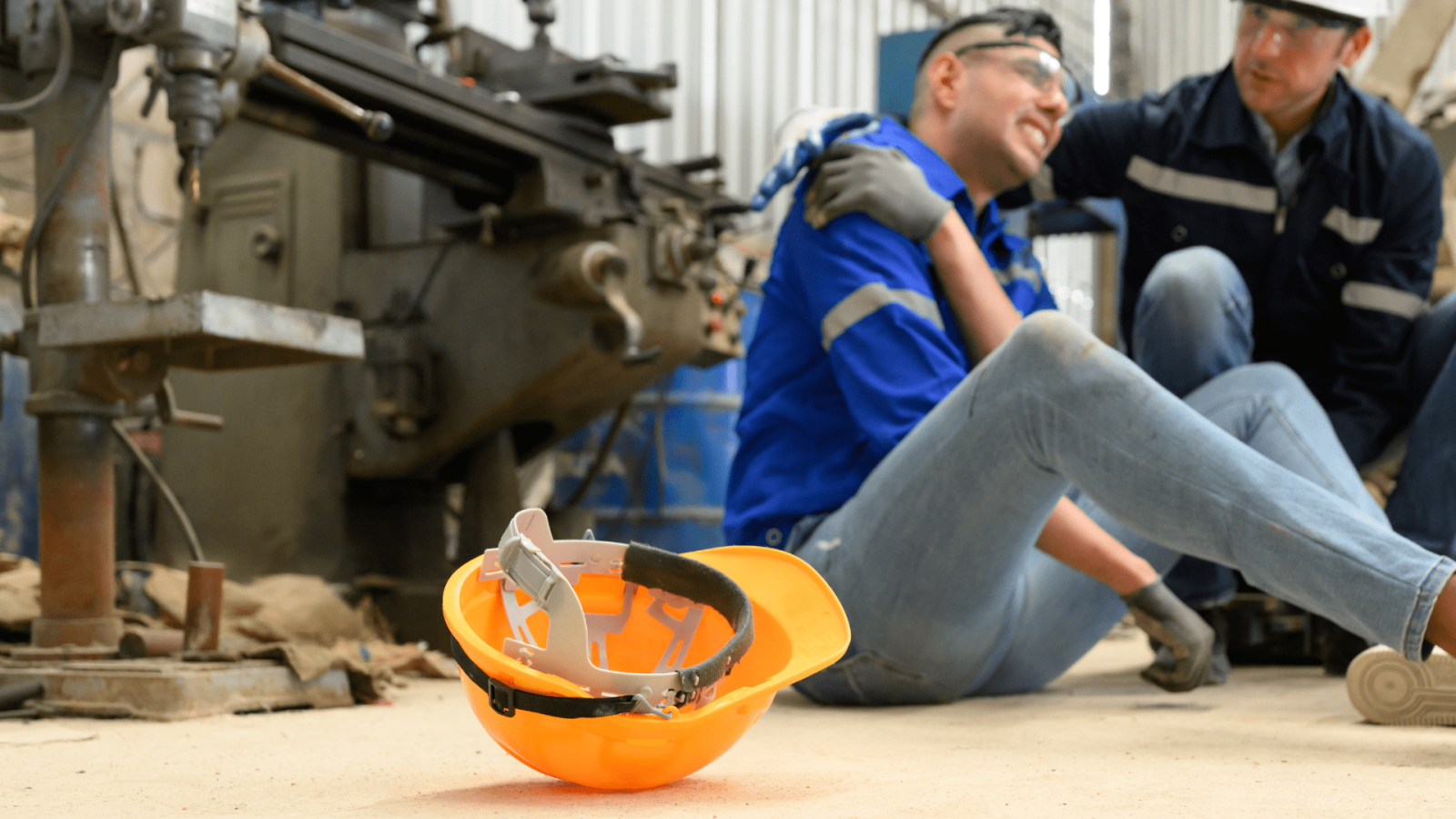
Industrial accidents can disrupt lives and communities. Understanding the common causes is crucial to prevention. You can make workplaces safer by identifying hazards like equipment malfunction, human error, and poor safety protocols. Equipment often fails due to a lack of maintenance. Human error happens when workers lack training. Poor safety protocols leave gaps in protection. Address these issues to reduce risk. It’s essential to provide training, conduct regular equipment checks, and establish clear safety rules. Encourage workers to report potential hazards promptly. In some cases, legal consultation can offer guidance on safety regulations and compliance. A safer workplace protects everyone. Taking these steps leads to fewer accidents and a more secure environment. You can make a difference by focusing on these areas. Everyone deserves to work in a place where they feel safe. By preventing accidents, you not only safeguard lives but also support a thriving workplace culture.
Equipment Malfunction
Equipment malfunction is a leading cause of industrial accidents. Machines can become unreliable if not properly maintained. Regular inspections and maintenance are essential to keep equipment running smoothly. You should schedule routine maintenance and ensure that only qualified personnel perform repairs.
Human Error
Human error is inevitable without proper training. Workers need to understand how to safely operate machinery and handle hazardous materials. Providing comprehensive training and refresher courses helps reduce mistakes. Encourage employees to ask questions and ensure they feel comfortable seeking help.
Poor Safety Protocols
Inadequate safety protocols invite accidents. Clear guidelines and procedures are necessary to protect workers. Develop detailed safety protocols and communicate them effectively. Regularly review and update these protocols to address new risks and ensure compliance with safety regulations.
Comparison Table: Causes and Prevention
| Cause | Prevention |
|---|---|
| Equipment Malfunction | Routine maintenance and qualified repairs |
| Human Error | Comprehensive training and refresher courses |
| Poor Safety Protocols | Clear guidelines and regular updates |
Promoting Safety Culture
A strong safety culture encourages workers to prioritize safety. Foster an environment where everyone feels responsible for safety. Encourage reporting of hazards and recognize employees who demonstrate a commitment to safety. By involving everyone in safety efforts, you can create a safer workplace.
Legal and Regulatory Compliance
Understanding legal requirements is crucial for accident prevention. Compliance with safety regulations can prevent accidents and protect the company from liability. You can find guidelines through resources like the Occupational Safety and Health Administration (OSHA). Consult legal experts when necessary to ensure thorough compliance.
Emergency Preparedness
Preparedness for emergencies minimizes the impact of accidents. Develop emergency response plans and conduct regular drills. Ensure that workers know how to react in different situations. Quick, organized responses can save lives and reduce injuries.
Technology in Safety
Technology can enhance safety efforts. Implement safety monitoring systems to detect hazards early. Use wearable technology to monitor worker health and safety in real time. Employ automation to reduce the need for human intervention in hazardous tasks.
Continuous Improvement
Safety is an ongoing effort. Continuously assess and improve safety practices. Gather feedback from workers and conduct regular safety audits. You can identify areas for improvement by reviewing past incidents and near-misses.
Industrial accidents are preventable. With dedication and effort, you can create a workplace where safety is a core value. Implementing effective safety measures protects workers and boosts productivity and morale. A safe workplace benefits everyone involved and leads to a more prosperous future.