

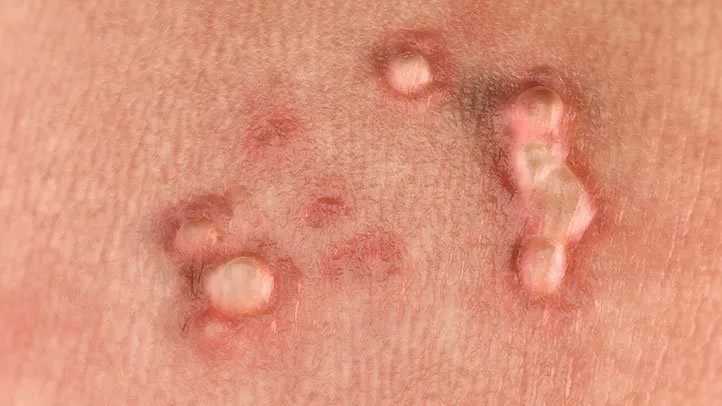
Hearing the words “genital warts” can stir up a mix of emotions. For some, it comes with worry about health and relationships. For others, it might bring feelings of shame or confusion about what to do next. These reactions are natural, especially since sexual health is such a personal and sensitive subject.
The truth is, genital warts are far more common than many people think. They are caused by certain strains of the human papillomavirus (HPV), a virus that most sexually active people will come into contact with at some point. Often, people feel torn between waiting it out and seeking medical advice.
This brings up an important question: is treatment really necessary? Understanding when to seek care, what treatment involves, and what may happen without it can help you make informed decisions about your health. For those exploring genital warts treatment, many reputable clinics in Singapore offer confidential and professional support.
Why Treatment Might Be Needed
The Physical Side of Warts
Genital warts are not life-threatening. In fact, some warts may disappear without treatment after several months. However, for many people, leaving them untreated can cause discomfort. Warts may grow in size, multiply, or become itchy and irritating. In some cases, they can even create pain during physical activity or sexual contact.
While not every wart needs urgent removal, treatment often brings relief from these symptoms. It also helps prevent the emotional burden of worrying when or if the warts might worsen. Even though they can fade away eventually, many people find peace of mind in treating them sooner rather than later.
The Emotional Impact
The appearance of genital warts can take a toll emotionally. For someone in a relationship, there may be fear of judgment or rejection from a partner. Others may feel embarrassed or anxious about intimacy in general. These emotions are valid and often as real as the physical discomfort.
Seeking treatment can lift some of this weight. Knowing that the warts are managed or removed often brings a sense of control and reassurance. It can also make conversations with a partner easier since it shows a proactive approach to sexual health. Choosing treatment, in this way, becomes about more than just managing symptoms. It is about caring for emotional wellness too.
Reducing Risk of Transmission
Another reason many people consider treatment is the possibility of passing genital warts to a partner. HPV is contagious, and skin-to-skin contact during intimacy can easily spread the virus. Even when warts are not visible, transmission is still possible.
Although treatment does not completely eliminate the virus from the body, it helps reduce visible warts and therefore may lower the chances of spreading them. For couples who want closeness without added worry, this is often an important factor in making the decision to undergo treatment.
When Treatment May Not Be Necessary
The Body’s Natural Healing
The body is resilient, and in certain cases, genital warts disappear on their own. The immune system can eventually suppress the HPV infection, leading the warts to shrink and vanish. This natural clearance process varies from person to person, sometimes taking a few months or even longer.
For individuals who are not experiencing pain, discomfort, or emotional stress from their warts, waiting may be a realistic option. In these situations, checking in with a healthcare provider regularly ensures that the warts are being monitored in case they change or cause new issues.
Considering Lifestyle and Comfort
Deciding whether to treat or not often comes down to lifestyle and personal comfort. Someone who is single and not sexually active might choose to wait, knowing that the warts are not causing immediate problems. For another person who is in a new relationship, however, the choice to treat might feel more urgent.
Each person’s needs are unique, and professional advice can guide the best way forward. Doctors focus on both physical health and emotional wellbeing to find a treatment plan that feels right.
Finding Balance
Ultimately, the decision about treating genital warts depends on personal health, comfort, and circumstances. Some people choose treatment for quick relief and peace of mind. Others take a watch-and-wait approach, allowing time for the body to handle the virus naturally. Both paths are valid if chosen with awareness and guidance.
For those unsure which option is best, talking openly with a healthcare provider removes much of the guesswork. Professional advice ensures the choice is informed, safe, and respectful of both physical and emotional well-being. If someone feels ready, exploring confidential services such as genital warts treatment can provide both medical support and reassurance.
Taking care of sexual health is not just about addressing physical symptoms but also about feeling whole, confident, and comfortable in one’s own skin. Whether through treatment or patient monitoring, what matters most is remembering that every person deserves care without judgment and guidance that empowers them to feel at ease with their decision.