

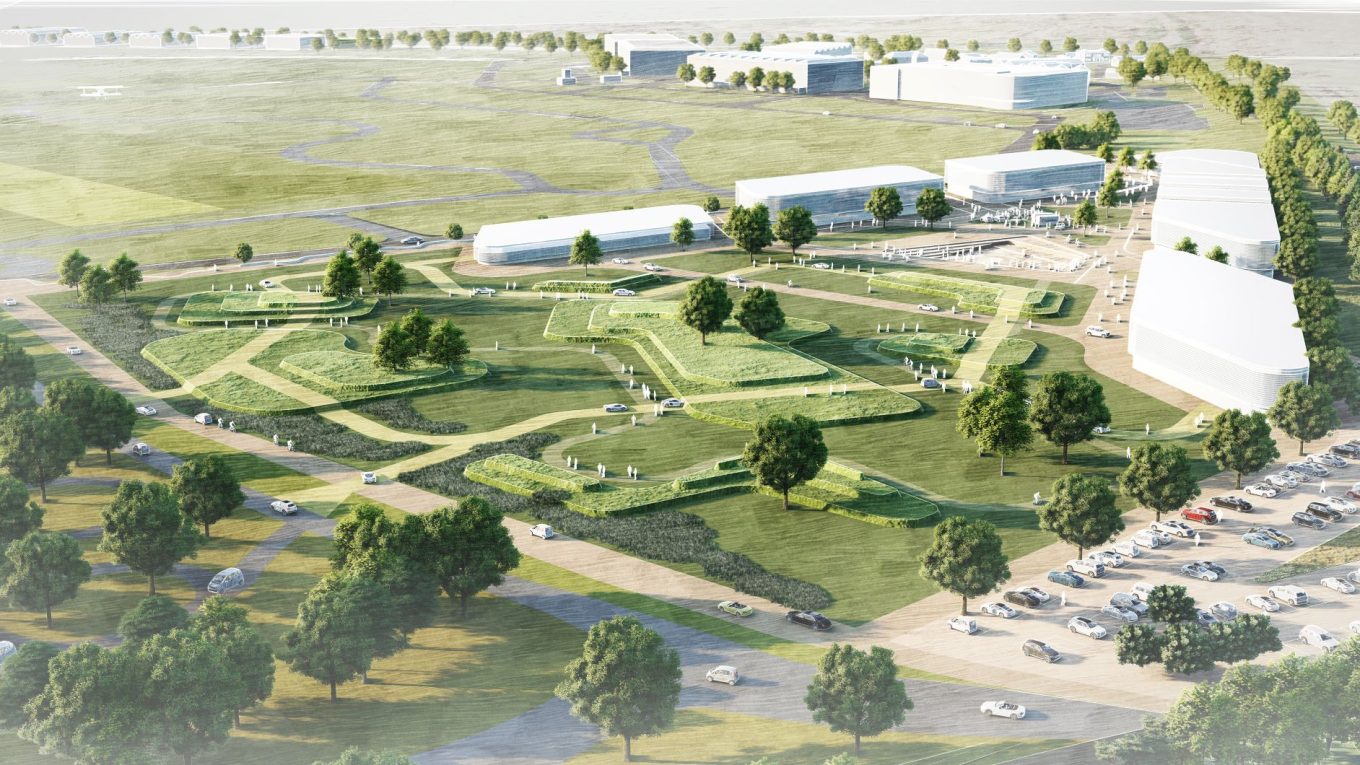
Architecture is often associated with bold ideas and iconic buildings. While creativity is central to the profession, this image barely scratches the surface of how masterplanning architects actually work, particularly when it comes to large-scale projects. Architecture is also about practical ideas and everyday designs. In this article, we’re going to take a closer look at how masterplanning architects help shape our cities. We’ll also look at how they go about their work – from the design principles they follow, to the collaborative processes that help bring ideas to life. Let’s dive in.
How Masterplanning Architects Shape Everyday Designs
So what do we mean by everyday design? It’s the homes we live in, the neighbourhoods we walk through, and the places we love to visit. Everyday design is often architectural design at its best. In fact, we’re often so busy going about our daily routines that we rarely stop to notice the buildings, streets, and neighbourhoods that make them possible. And we’re so used to accessing public spaces that we often underestimate the research, planning, and resources that went into creating them.
But in a way, that’s the beauty of masterplanning and everyday design. It helps integrate housing, infrastructure, transport, and services in a way that feels natural. And it helps ensure that, over time, cities continue to grow in a way that makes sense for the people who live there. Masterplanning architects play an essential role in this process. They work alongside developers, engineers, environmental advisors, and other specialists to create cities that really work, and that will meet community needs for years to come.
The Core Approach: Strategic & Collaborative
Architectural design is often misunderstood as a largely creative exercise – with sweeping visions, glossy renders, and bold ideas. And while that is one aspect, in reality, it’s a deeply strategic and collaborative process that sits somewhere between planning, creativity, economics, and community building. This is particularly true for masterplanning architects, who focus less on individual building designs, and more the overall look and feel of a city.
Masterplanning architects spend a lot of time balancing design goals, project requirements, and practical limitations. That means understanding what the area can physically support, what planning policy will allow, what infrastructure can handle, and what budgets can sustain. They take into account long-term objectives, like commercial success and environmental leadership. They also look at other key factors, such as land use, housing, and infrastructure. And then they provide architectural designs that help shape and support the long-term master plan.
Masterplanning architects also spend a lot of time getting to know the area. That means talking to key project stakeholders – whether that’s local authorities, businesses, landowners, or community groups. It also means talking to local residents. They look for real local knowledge: how streets are used, where services are needed, which places hold cultural value. And then they provide architectural designs that reflect local needs and strengthen community ties. Want to learn more? Take a look at JTP, masterplanning architects in London.
The Masterplanning Process
As you can imagine, architectural design is a rigorous process, especially when it comes to creating masterplans for major cities. It starts with getting to know the place properly. Masterplanning architects look at the physical basics: slopes, waterways, trees and vegetation, existing buildings, and how the land is currently being used. But they also look at the wider context – how the surrounding area works, where people already move through the site, and which spaces feel active, overlooked, loved, or forgotten. All of this helps reveal the opportunities worth building on, as well as the constraints that can’t be ignored.
Once that groundwork is done, the next step is setting a clear direction. Masterplanning architects work with clients, councils, and local stakeholders to agree what the project is actually trying to achieve. That might mean creating a walkable neighbourhood, delivering a better mix of homes and jobs, improving access to green space, or setting ambitious sustainability targets. These goals matter because they outline the main vision for the site and help guide the design process.
From there, the real work begins – but not in the way most people imagine. Instead of designing every building in detail, masterplanning architects create the overall city structure. They produce layouts, diagrams, and documents that outline the big moves: what streets could look like, what infrastructure is needed, and how people will move through different areas. It’s strategic design at its best – with enough planning to guide future development, without locking everything in too early.
Key Components They Address
So how does it all come together? As you know, the best cities have great layouts, cohesive architecture, and strong character. And these things rarely happen by chance. Masterplanning architects are often there, behind the scenes, shaping how cities look and feel. This means taking into account things like:
- Land use: Land use planning is essential. Architects determine where homes, workplaces, retail, leisure, and community facilities should sit, and how close they should be to one another. More often than not, architects favour mixed-use environments, as these help create more beautiful,vibrant neighbourhoods.
- Infrastructure and transport: Architects spend a lot of time thinking about how people move through spaces. At city-scale, this often includes street layouts, utilities, service access, and transport connections. Most architects will prioritise sustainable solutions where possible, to help build cities with long-term resilience.
- Environmental factors: Environmental thinking is essential for contemporary masterplanning. Masterplanning architects often work with other specialists, such as engineers and ecologists, to integrate green infrastructure, manage water sustainably, enhance biodiversity, and respond to climate challenges. This often includes designing for things like flood resilience, reducing urban heat, and energy efficiency.
- Cohesive design: This is where masterplanning becomes most tangible. Streets, parks, squares, and public buildings shape everyday experience and social interaction. Architects carefully consider scale, enclosure, safety, and accessibility to create places that feel welcoming and human. They also consider schools, healthcare facilities, and community spaces, to create cities that meet resident needs.
Final Thoughts
From early concept through to long-term delivery, masterplanning architects play a crucial role in shaping how cities evolve. They look beyond bold ideas and iconic buildings to focus on the subtle, everyday designs that shape how we live – how we move through a neighbourhood, where we meet friends, how safe a street feels at night, or whether a park is actually usable in winter. Their work follows a clear design process, from concept to reality. It begins with understanding what’s already there: the site, its context, its constraints, and its opportunities. And it ends with a long-term strategic masterplan: one that will benefit not only the city, but also its communities for years to come.