

Artificial intelligence has quickly become a practical tool in the everyday workflow of many writers. From drafting emails to outlining novels, AI systems can assist at nearly every stage of the creative process. Instead of replacing human creativity, these tools often work best as supportive partners that help spark ideas and reduce repetitive tasks. Writers juggling deadlines, family life, or full-time jobs may find AI especially helpful for saving time and mental energy. Understanding how to use these tools wisely allows creativity to stay personal while productivity improves. In this article, practical ways writers can use AI for brainstorming, editing, research, and style development are explained in a clear and realistic way.
1. Generate Ideas and Beat Writer’s Block
Ask AI for Creative Prompts and Story Starters
Writer’s block can make even experienced authors feel stuck and frustrated. AI tools can provide quick prompts that encourage new angles or unexpected story openings. A simple request for a mystery plot set in a small town, for example, can produce several starting scenarios. These suggestions do not have to be used directly but can help trigger original thinking. Seeing different possibilities often breaks the mental loop that causes creative stalls. AI becomes a brainstorming partner rather than the source of the final work.
Use It to Brainstorm Characters and Plot Points
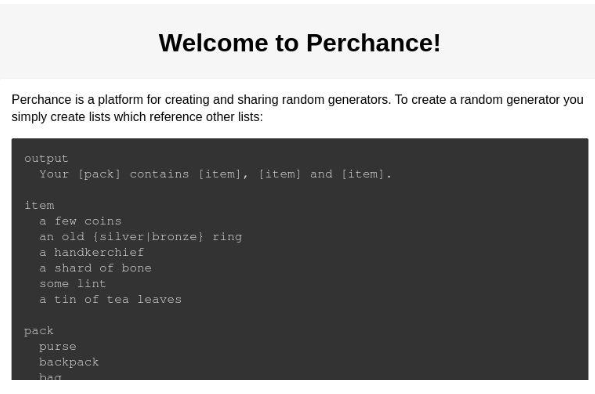
Developing believable characters and engaging plots takes time and imagination. AI platforms such as perchance offer free tools that generate character traits, backstories, and story ideas from short prompts. Writers can explore personality combinations, motivations, and conflicts that might not have come to mind immediately. Plot twists and side story ideas can also emerge through guided prompts, adding depth to a draft. These generated ideas serve as raw material that can be refined and personalized. Using AI this way helps expand possibilities while keeping creative control in the writer’s hands.
2. Improve Your Writing and Editing
Check Grammar, Tone, and Sentence Flow
Editing can be as time-consuming as drafting, especially when reviewing long documents. AI writing assistants can quickly highlight grammar issues, awkward phrasing, or repeated words. They can also suggest smoother transitions between sentences to improve readability. This is especially useful when writing late at night or under tight deadlines when concentration drops. While not perfect, these tools catch many small errors that are easy to miss. A final human review still matters, but AI helps speed up the polishing stage.
Get Help Rewriting Difficult Paragraphs
Some paragraphs feel unclear even after multiple revisions. AI tools can rephrase complex sections into simpler language or offer alternative sentence structures. This is useful when trying to explain technical ideas or emotional scenes more clearly. Comparing several versions can help writers choose wording that fits their style best. These suggestions should be treated as options rather than final answers. The goal is clarity and flow, not losing the original voice.
3. Speed Up Research and Fact-Checking
Quickly Find Background Information
Research often slows writing projects, especially when background knowledge is limited. AI tools can summarize general topics quickly, providing an overview before deeper research begins. For example, a writer working on a historical setting can get a quick sense of daily life during a certain era. This saves time compared to starting from scratch with multiple sources. The summaries can guide what details need further verification. AI acts as a starting map rather than the final authority.
Verify Dates, Facts, and Details
Accuracy is important in both fiction and non-fiction writing. AI can help double-check timelines, definitions, and commonly known facts. This reduces small mistakes that may affect credibility. However, information should still be confirmed through reliable sources, especially for specialized topics. AI is best used as a quick filter before formal fact-checking. Careful verification ensures the final piece remains trustworthy.
4. Adapt Your Style and Voice
Adjust Tone for Different Readers
Different audiences require different tones, even when discussing the same topic. AI can help rewrite content in a more formal, casual, or friendly style depending on the target readers. This is useful for writers who switch between academic, business, and creative projects. Seeing multiple tone variations helps identify which version feels most appropriate. The final choice should always reflect the writer’s intent and personality. AI simply provides stylistic flexibility during revisions.
Experiment with Different Writing Styles
Writers sometimes want to explore new genres or voices. AI tools can mimic general stylistic features such as descriptive, concise, or humorous writing. This makes experimentation less intimidating, especially when trying something outside one’s comfort zone. Reviewing AI-generated variations can reveal techniques worth practicing. Over time, this can expand a writer’s range and confidence. Style exploration becomes a learning exercise rather than a risk.
5. Stay in Control and Ethical
Always Edit and Personalize AI Suggestions
AI outputs are starting points, not finished work. Personal editing ensures that the writing reflects original thought and authentic expression. Adjusting vocabulary, adding personal insights, and refining tone help maintain individuality. Relying too heavily on unedited AI text can make writing feel generic. Careful revision keeps the final piece meaningful and distinctive. Human judgment remains the most important part of the creative process.
Disclose AI Use When Needed
Transparency about AI assistance is becoming more common in professional and academic settings. Some publishers, schools, or clients may require disclosure of AI involvement. Being open about tool usage builds trust and avoids misunderstandings. Clear guidelines also help define the boundary between assistance and authorship. Ethical use ensures that AI supports creativity without replacing responsibility. Respecting these standards helps maintain credibility in a changing digital landscape.
Conclusion
AI offers writers practical support at many stages of the creative journey. From generating ideas to polishing language, these tools can reduce mental strain and save time. When used thoughtfully, AI encourages exploration rather than replacing human imagination. Writers benefit most when they treat AI as a helper, not a substitute. Careful editing, fact-checking, and ethical awareness keep the work authentic and trustworthy. With balanced use, AI can become a valuable companion in modern writing life.