

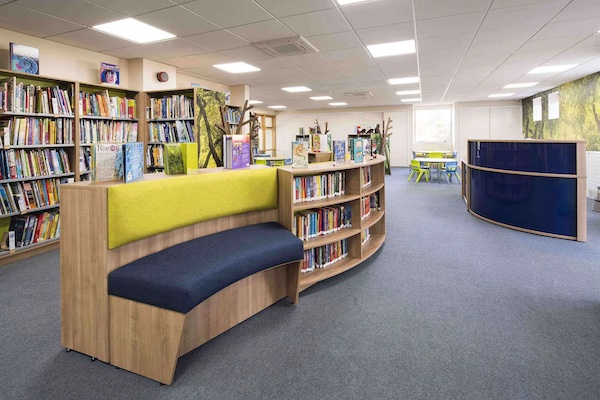
Education has always existed as a dynamic institution. The educational environment has undergone continuous transformation since the establishment of one-room schoolhouses and now includes both extensive physical campuses and digital online learning spaces. The educational transformation shows rapid development at present. Modern learning environments transform through technological progress, workforce requirements, and human development knowledge to create flexible educational spaces that match present-day realities.
The Shift Toward Flexible Learning
The growing demand for flexible learning approaches has brought about a complete transformation in educational practices. Educational institutions now use personalized learning approaches because their previous classroom-based teaching methods with set schedules and standardized curricula no longer fulfill student requirements. Students can access educational materials through hybrid and blended learning programs, which let them study at times that suit their individual needs. The development of microlearning platforms provides short educational content to students who need to manage their work commitments with family responsibilities and other responsibilities.
The implementation of technology stands as a fundamental element, but teaching approaches remain equally important. Modern educators design individualized learning paths that let students advance at their own speed while building skills that match their personal abilities. The educational system now emphasizes teaching students to adapt and solve problems rather than simply receiving information.
Technology as a Catalyst for Change
The discussion about educational future development centers around technology as its fundamental element. Students now use digital platforms to work with international peers while artificial intelligence systems monitor student development to detect knowledge deficiencies. Virtual reality and augmented reality technologies enable students to experience complex subjects through interactive simulations, which create more engaging learning experiences for history, science, and engineering classes.
Student growth measurement through data analytics has reached an unprecedented level of precision in educational assessment. Educational tools enable teachers to improve their teaching methods while providing individualized support to students who need it most. The educational process benefits from technology, which functions as a vital component to develop modern interactive learning spaces, although it cannot replace human teaching methods.
Higher Education in Transition
Higher education institutions show the most evident transformation in their learning environments. The educational system at universities now focuses on experiential learning and skill development instead of traditional memorization-based teaching methods. Students can now access interdisciplinary programs that train them for modern careers that require technical skills alongside creative thinking and emotional competencies.
Equity, Accessibility, and Inclusion
Learning environments continue to evolve through initiatives that focus on achieving both accessibility and equity in education. Educational institutions now focus on eliminating digital inequality after the pandemic exposed technology access differences between students. Educational institutions work to establish learning environments through which every student can achieve success by offering technological resources and developing teaching materials that respect diverse student backgrounds.
The educational practice of Universal Design for Learning (UDL) continues to gain popularity in educational settings. The teaching method of UDL provides flexible educational approaches to materials and assessment methods, which enable students with different abilities to learn equally effectively. The concept of inclusion has evolved from a trend to become a fundamental principle in contemporary educational theory.
Preparing Students for Future Workplaces
The complete transformation of education depends on the way future workplaces require student preparation for environments that differ substantially from past work environments. Modern employers seek candidates who demonstrate both specialized knowledge and essential competencies, including communication abilities, adaptability, and critical thinking skills. Educational institutions now focus on teaching students how to work together and lead while solving problems as part of their curriculum development.
Educational institutions collaborate with industry partners to provide students with authentic experiences working on actual professional challenges. Educational institutions now focus on lifelong learning by providing ongoing training and certification programs, which enable students to adjust to changing industries. Education in the present era extends beyond traditional age boundaries because people learn continuously throughout their lives.
Conclusion
Learning environments experience rapid development to fulfill the requirements of contemporary society. The combination of flexible learning and technological integration with inclusive practices and work-ready education has transformed educational spaces beyond what anyone could have predicted during the last century. The educational transformations across K-12 and higher education institutions demonstrate a better comprehension of learning processes and student success requirements for an unpredictable future.
Educational institutions use knowledge from multiple fields, including psychology, education, and computer science, to teach students while enabling them to create new learning approaches for the future. The classroom of tomorrow exists today as an active learning environment that provides inclusive opportunities for students to succeed.