

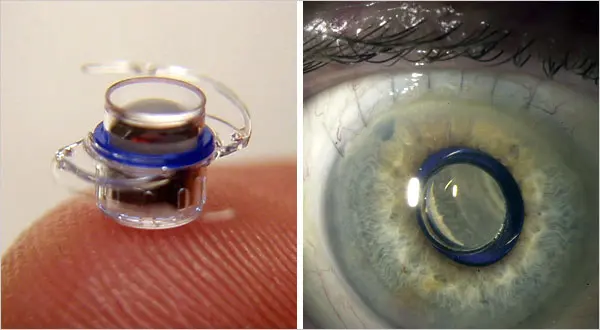
Macular degeneration affects millions of older adults, causing vision loss that can make daily tasks tough. Thankfully, new tech is really changing things for folks living with this condition. Whether it’s special glasses or clever smartphone apps, these tools help people hang onto their independence.
Recent advances in technology have opened up new ways for people with macular degeneration to read, recognize faces, and navigate their homes or neighborhoods safely. We’re talking about magnifiers, text-to-speech software, and smart lighting systems—all designed to work around the central vision loss that comes with this eye condition.
It’s not just about practicality, either. These technologies help people feel less isolated and boost overall quality of life. Now, someone with macular degeneration can keep up with family via video calls on bright, easy-to-see displays, enjoy books through audiobooks, or even cook with kitchen gadgets that talk them through recipes.
How Technology Is Helping People Live Better With Macular Degeneration
Tech has opened up new possibilities for people with macular degeneration to stay independent and enjoy life. From smart devices to simple apps, these innovations can make daily routines less stressful.
How to Manage Age Related Macular Degeneration Effectively
Age related macular degeneration is a common eye condition that affects the macula, leading to central vision loss while leaving peripheral vision mostly intact. It usually develops in people over 50 and makes daily tasks like reading, driving, or recognizing faces more difficult.
The two types are dry AMD, which progresses slowly, and wet AMD, which can cause rapid vision loss without treatment. Early detection through advanced imaging like Optical Coherence Tomography (OCT) is key to managing the condition effectively and preserving as much vision as possible.
Assistive Devices for Vision Enhancement
Electronic magnifiers have made reading so much easier for folks with macular degeneration. Desktop video magnifiers can blow up text up to 60 times and let you adjust contrast, which really helps.
Portable magnifiers are now small enough to fit in your pocket. You can take them anywhere—think reading a menu at a restaurant or checking a medication label at home. Wearable tech like OrCam MyEye clips onto glasses and reads text aloud, recognizes faces, and even IDs products. It uses artificial intelligence to figure out what you’re looking at and what you need.
Some smart glasses come with built-in magnification and contrast controls, so users can move around more confidently. A few even stream video to your phone for extra processing power. Pretty neat, right?
Mobile Apps for Daily Living
Smartphone apps have become a lifeline for people with macular degeneration. Magnifier apps turn your phone into a digital magnifying glass, with zoom and lighting you can tweak on the fly. Voice assistants like Siri or Google Assistant make it possible to use your phone without looking at the screen. Just ask, and you can call someone, send a text, or look up info hands-free.
Navigation apps with accessibility features offer audio directions, helping users get around on their own. Apps like Seeing AI and Be My Eyes connect people with sighted volunteers, so they can get help reading labels or identifying objects in real time.
Money identifier apps come in handy too, making it easier to tell different bills apart—a task that’s surprisingly tough with central vision loss.
Advances in Low Vision Aids
Some electronic glasses now have auto-focus, adjusting to different distances on their own. That means people can switch from reading to looking across the room without swapping devices.
Digital audiobooks and screen readers have made reading possible again for many with macular degeneration. Services like Audible and big audio libraries give access to thousands of titles. Special lighting with adjustable brightness and color temperature helps cut glare and boost contrast, making it easier to see what’s left of your vision.
High-contrast keyboards and large-print books still matter, even with all this new tech. Sometimes, the simplest tools make the biggest difference in everyday life.
Telemedicine and Remote Eye Care
Virtual eye exams let people check their vision from home, usually with a smartphone app. It’s pretty amazing how these apps can spot changes that might signal macular degeneration is getting worse—sometimes before you even notice anything’s off.
Some remote monitoring devices keep an eye on your eye health between doctor visits. They can measure things like intraocular pressure or catch early signs of fluid building up in the retina. That kind of heads-up can make a real difference for anyone worried about their eyesight.
Video calls with eye specialists cut out all the hassle of travel, which is a huge relief if you have trouble getting around or just can’t make it to the clinic every time. For folks who need regular check-ins, this option feels like a lifesaver.
There are also home vision therapy programs you can use on a tablet or computer. These aren’t just generic exercises—they’re designed to help you use your remaining vision better, especially by training your brain to rely more on what you see out of the corners of your eyes. It’s a bit surprising how much progress people can make with these tools, even if it takes some patience.