

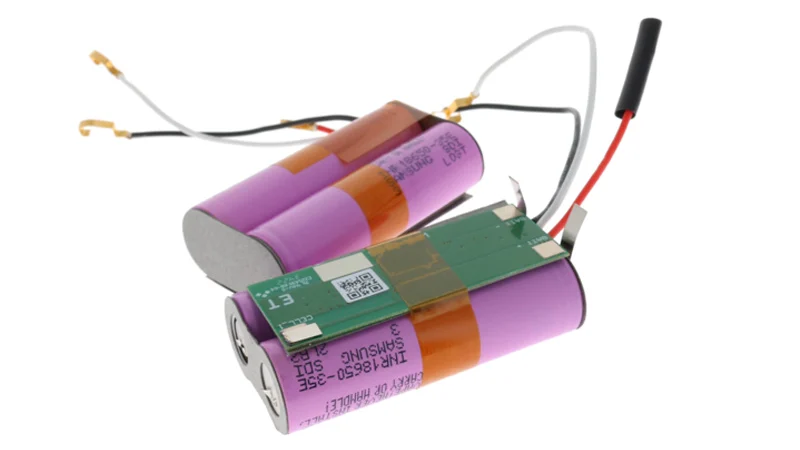
In today’s fast-paced world, power reliability is no longer a luxury—it’s a necessity. Whether it’s for your home, office, or commercial setup, lithium batteries are rapidly replacing traditional energy storage systems due to their high efficiency, longer lifespan, and smart features. But amidst the rising demand, safety remains the top concern for many buyers.
With the growing number of options available in the market, how do you choose a lithium battery that is not only powerful but also safe? Here’s a detailed guide on what to check before you invest in a lithium battery.
- Battery Chemistry: LiFePO₄ is the Safest
Different chemistries of lithium batteries are available, such as Lithium Iron Phosphate (LiFePO₄), Lithium Nickel Manganese Cobalt (NMC), and Lithium Cobalt Oxide (LiCoO₂).
Among these, LiFePO₄ (Lithium Iron Phosphate) is widely considered the safest due to:
- Lower risk of thermal runaway or fire
- Better thermal and chemical stability
- Longer lifespan (up to 3000-5000 cycles)
- Stable performance in high temperatures
Pro Tip: Always check the battery chemistry on the datasheet. Prefer LiFePO₄ for home and commercial use.
- Presence of a Smart BMS (Battery Management System)
A good lithium battery is incomplete without a Battery Management System (BMS). BMS acts like a smart watchdog that continuously monitors and protects the battery.
Make sure your lithium battery includes a built-in BMS with the following features:
- Overcharge protection
- Over-discharge protection
- Short-circuit protection
- Temperature monitoring
- Cell balancing
Some modern systems even offer mobile-controlled BMS, so you can check battery status, temperature, and alerts on your smartphone in real time.
- Certifications and Safety Standards
Reputable batteries always conform to international safety standards. Certifications attest to the battery’s successful completion of strict safety testing.
- Casing and Build Quality
A safe battery must also have a strong and secure outer body. Good lithium batteries usually have:
- Fire-retardant ABS or metal enclosures
- Shockproof and water-resistant build (IP-rated if possible)
- Tight sealing to avoid exposure to moisture or dust
This not only increases safety but also boosts battery life in harsh environments.
- Check for Manufacturer Reputation
Always go for brands that have a proven track record in lithium battery technology. Trusted manufacturers follow high safety standards, offer warranty support, and have better quality control.
Look for customer reviews, brand certifications, and service availability before buying. Some of the names featured in the Top 10 Lithium Battery Manufacturers list are a good starting point.
- Cycle Life and Warranty
An investment in a long-lasting battery is secure. Verify the battery’s capacity for charge and discharge cycles.
- 3500–6000 cycles = Excellent
Check to see if the manufacturer provides a 5 year warranty as well. Better quality and durability are typically reflected in a longer warranty.
Where to Buy Safe Lithium Batteries?
Looking for a reliable place to purchase high-quality lithium batteries?
Loom Solar offers lithium battery with smart BMS and LiFePO₄ technology. Their systems are designed for Indian conditions and come with after-sales support, making them a safe and smart choice for homes, businesses, and solar setups.
Conclusion
Choosing the right lithium battery isn’t just about power; it’s about peace of mind. By focusing on battery chemistry, smart BMS, certifications, build quality, and manufacturer credibility, you ensure that you’re investing in a safe, efficient, and long-lasting energy solution.
Before you make a purchase, use this checklist to compare your options and choose a lithium battery that truly fits your safety and performance needs.