

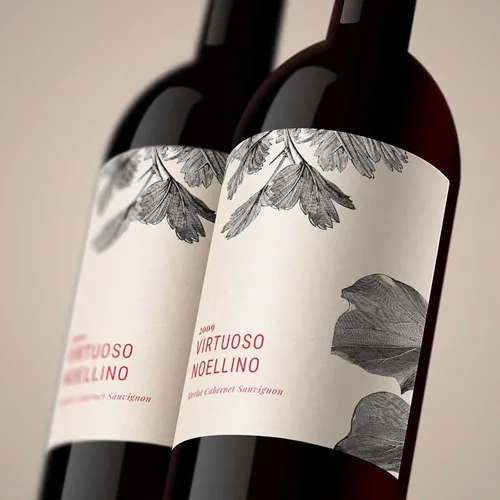
Product labels are often underrated and they contribute one of the greatest roles in giving customers their perception of your brand. A label includes not only printed text on a package. It carries your brand name, passes along valuable product messages and persuades in a matter of seconds to make a purchase. In competitive markets, the element between fading into the background and making a splash can at times be determined by the quality and fittingness of your label printing solution.
Selecting an appropriate label printing solution is a task that should be carefully thought. The choice of material used, the printing technique used as well as the longevity, of your labels is influenced by a number of factors, which dictate whether your labels are going to work in the real-life scenario.
Understanding the Purpose of Your Labels
To start working with materials and printing techniques, you must first of all have a definition of what your labels should actually achieve. Labels have to provide unambiguous information in a way that they portray your brand. They could have the name of the product, the ingredients, usage instructions, barcodes, or regulatory details. They also aid in creating awareness of the brand and client confidence, aside from this utility.
There are various labels that are used on different products. A bottle of beverage that is kept in a refrigerator is subjected to different conditions than a dry-packaged item that is kept in retail shows. Equally, the durable characteristics and high precision printing are necessitated by industrial products that are necessarily tracked through barcodes. The first step of picking the correct solution is to identify what you are trying to do.
When you give a clear idea of how your product is kept, transported, and used, you will be able to match your label to its surroundings better. This lowers chances of problems such as peeling, fading or smudging during the course of time.
Choosing the Right Label Material
The label materials have a lot of influence on performance and appearance. When the products do not have to be highly moisture resistant, the paper labels are used. They can take most types of dry goods as well as be finished, matte or gloss according to what visual effect you want to create. Paper labels can be very cheap and are suitable with products that have consistent storage environments.
Synthetic materials like polyprropylene have a higher durable nature in the products that are subjected to moisture, refrigeration or temperature fluctuations. Polypropylene waterproof labels are able to withstand condensation and can be used in cold or humid conditions. This renders them appropriate in beverages, refrigerated foods and other applications, which are moisture-prone.
Besides functionality, presentation may be affected by materials. The feeling of high-quality goods can be enhanced with the help of premium finishes, whether it is a metallic effect or a textured finish, as in the case of wine or specialty goods. It is in the choice of a material that is both attractive to the eye and performs well.
Understanding Different Printing Methods
Printing method plays a major role in determining cost, turnaround time, and image quality. The right choice depends on your label design, volume requirements, and flexibility needs.
Digital printing is known for its flexibility and efficiency. It is especially suited for short to medium print runs, as it does not require printing plates. This reduces setup costs and speeds up production. Digital printing also supports variable data, making it useful for serialized labels or multiple product variations. If your brand frequently updates designs or launches limited editions, digital printing can provide the adaptability you need.
Flexographic printing, on the other hand, is often used for larger production runs. It uses flexible printing plates and can be cost effective when printing high volumes consistently. While setup costs are higher compared to digital printing, it can become economical for larger batches over time.
Thermal transfer printing is commonly used for labels that require strong durability, particularly for barcodes and industrial tracking purposes. This method produces sharp, long-lasting prints that can withstand friction and environmental stress.
Each printing method has strengths, and understanding your long-term production needs will help you determine which option works best for your business.
Considering Artwork and Design Accuracy

A label printing solution should allow accurate reproduction of your artwork. Even a well-designed label can lose impact if printed incorrectly. Factors such as colour consistency, resolution, and alignment are essential to maintain brand integrity.
Make sure your artwork files are prepared correctly. High resolution images, proper colour settings, and correct dimensions help ensure the final print matches your expectations. Previewing proofs before final production is an important step to avoid costly mistakes.
Consistency is especially important for brands that rely heavily on visual identity. When customers see consistent colours and quality across all product lines, it reinforces trust and professionalism.
Ensuring Durability and Performance
Durability is a critical factor that many businesses overlook during the selection process. Labels must remain legible and intact throughout the product’s lifecycle. Exposure to sunlight, moisture, heat, and handling can degrade poor-quality labels quickly.
When evaluating a solution, consider how labels will perform under real-world conditions. Waterproof materials may be necessary for certain environments. Strong adhesives are also important to prevent peeling. Labels used for logistics and inventory tracking must maintain barcode clarity to ensure smooth scanning.
Testing sample labels under typical storage and usage conditions can provide valuable insight before committing to large orders.
Meeting Regulatory and Compliance Needs
Depending on your industry, compliance requirements can influence your label printing decision. Food, beverage, and healthcare products often need to display detailed information such as ingredient lists, nutritional panels, and safety warnings. Labels must be printed clearly and remain legible throughout the product’s shelf life.
Material choices may also need to align with industry standards. Ensuring that your printing solution can accommodate all required information while maintaining readability is essential. Failure to meet labelling requirements can lead to costly issues later.
By addressing compliance early in the process, you reduce the risk of redesigns or reprints.
Balancing Cost with Long-Term Value
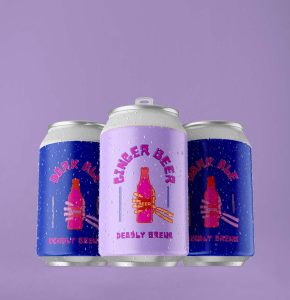
While cost is an important factor, focussing only on price can lead to compromises in quality. Lower-cost labels may save money initially but result in higher expenses if they fail prematurely. Reprints, product returns, or damaged brand reputation can outweigh short-term savings.
Instead of choosing the cheapest option, evaluate the overall value. Consider durability, consistency, and how well the labels represent your brand. In many cases, investing slightly more in quality materials and reliable printing can provide better long-term results.
Understanding your projected volumes and production schedule also helps in cost planning. Some printing methods are more economical at scale, while others are more efficient for smaller batches.
Aligning Turnaround Time with Your Business Needs
Speed can be an important consideration, especially for brands that regularly introduce new products or seasonal packaging. Printing solutions vary in production time depending on setup requirements and complexity.
Digital printing generally offers quicker turnaround due to minimal setup, making it suitable for urgent projects. Larger production runs using traditional methods may require more lead time but can be planned in advance for cost efficiencies.
Matching production timelines with business planning ensures smoother operations and reduces delays in product launches.
Conclusion
Selecting the right label printing solution is not simply about choosing a print service. It is about understanding your product, your brand identity, and the conditions your labels must withstand. By carefully considering materials, printing methods, artwork accuracy, durability, compliance, and budget, you can make a decision that supports both presentation and performance.
A well-chosen label printing solution strengthens your brand image and ensures your products look professional from shelf to customer. When labels perform reliably and reflect your brand values, they become a quiet but powerful contributor to your overall success.