

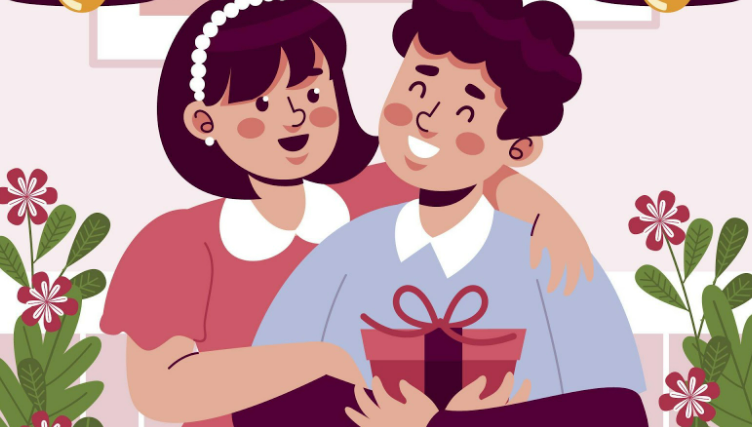
Valentine’s Day in India has quietly evolved. What once revolved around predictable red roses and heart-shaped chocolates is now a far more layered, thoughtful, and personal celebration, especially among young Indians. As we move closer to Valentine’s Day 2026, gifting is no longer just about romance. It’s about expression, values, convenience, and, increasingly, individuality.
If you’re wondering how Valentine’s Day gifting is changing, and what trends are actually shaping buying decisions, here’s a closer look at what young Indians are embracing now.
Personalisation Over Predictability
Generic gifts are slowly losing their appeal. Young consumers today want Valentine gift that feel intentional, not last-minute. Customisation has become one of the strongest drivers in gifting decisions, whether that’s personalised hampers, custom notes, photo-based keepsakes, or curated boxes built around shared memories.
This shift reflects a deeper desire to be seen and understood. A personalised gift signals effort, thought, and emotional investment, qualities that resonate far more than price tags. For many young buyers, the emotional relevance of a gift now matters more than its brand value.
Budget-Conscious, But Still Meaningful
Contrary to the idea that Valentine’s Day spending is skyrocketing, many young Indians are actually becoming more budget-aware. Affordable gifting, often under ₹500, continues to dominate, but with a twist. People aren’t cutting corners; they’re choosing smarter.
Thoughtful packaging, compact hampers, handwritten notes, and creative combinations are replacing expensive single-item gifts. The focus is on value rather than volume. This makes gifting feel more intentional and less performative, especially for couples who prefer understated celebrations.
Premium Touches Are Replacing Traditional Gifts
That said, traditional gifts aren’t disappearing; they’re being reimagined. Instead of standard bouquets or mass-produced chocolates, young urban consumers are leaning towards premium, curated options. Think luxury floral arrangements like tulips, artisanal chocolates, gourmet desserts, and minimalist gift boxes.
This trend reflects exposure to global aesthetics and social media influence. Premium doesn’t necessarily mean extravagant; it means refined, well-presented, and thoughtfully sourced. The idea is to gift something that feels special, even if it’s simple.
Valentine’s Day Is No Longer Just for Couples
One of the most noticeable shifts is the rise of self-love and inclusive gifting. Campaigns in 2025 and 2026 have actively encouraged people to celebrate themselves, friendships, and non-romantic relationships. Young Indians are responding. Gifts are increasingly being bought for best friends, siblings, and even oneself. Self-care kits, wellness products, books, plants, and comfort treats are becoming Valentine’s staples. The day is now about appreciation, not just romance.
The broader interpretation has also made Valentine’s Day more accessible, reducing the pressure to conform to traditional couple-centric narratives.
Convenience Is a Non-Negotiable
Digital-first shopping has fundamentally reshaped gifting behaviour. Last-minute gift delivery platforms and e-commerce apps have made last-minute gifting not only possible, but normal. The ability to browse, customise, and receive gifts within hours has changed expectations. Young buyers value speed, clarity, and ease. Features like same-day delivery,and AI-driven recommendations are no longer bonuses, they’re expected. Brands that simplify decision-making tend to win attention, especially during high-pressure occasions like Valentine’s Day.
Sustainability Is Influencing Choices
Environmental awareness is steadily shaping gifting habits. While sustainability isn’t always the primary driver, it’s increasingly part of the decision-making process. Young Indians are showing a growing preference for eco-friendly packaging, reusable gifts, plants, and long-lasting items over disposable products. This shift aligns with a broader move toward conscious consumption. Gifts that last longer, or serve a practical purpose, are being seen as more meaningful than novelty items that fade quickly.
Social Perception Still Matters: But Less Than Before
Valentine’s Day in India has always existed within a social and cultural framework. While objections and debates still surface, young Indians are less influenced by external judgment than earlier generations. Gifting choices are now guided more by personal values than societal approval. The emphasis has moved from public display to private meaning. They prefer V-day experiences, quiet celebrations, and low-key gestures often hold more value than grand announcements or social media posts.
What This Means for Valentine’s Day 2026
For anyone looking to choose a Valentine’s Day Gift in 2026, the takeaway is simple: relevance matters more than tradition. Young Indians are redefining the occasion on their own terms, mixing emotion with practicality, aesthetics with affordability, and romance with inclusivity.
Whether it’s a personalised keepsake, a thoughtfully curated hamper, or a small but meaningful gesture, the best gifts are the ones that feel intentional. Valentine’s Day is no longer about following a script. It’s about creating a moment that feels real, personal, and reflective of the relationship, whatever form that relationship takes.
And that shift, more than anything else, is what defines the future of Valentine’s Day gifting in India.