

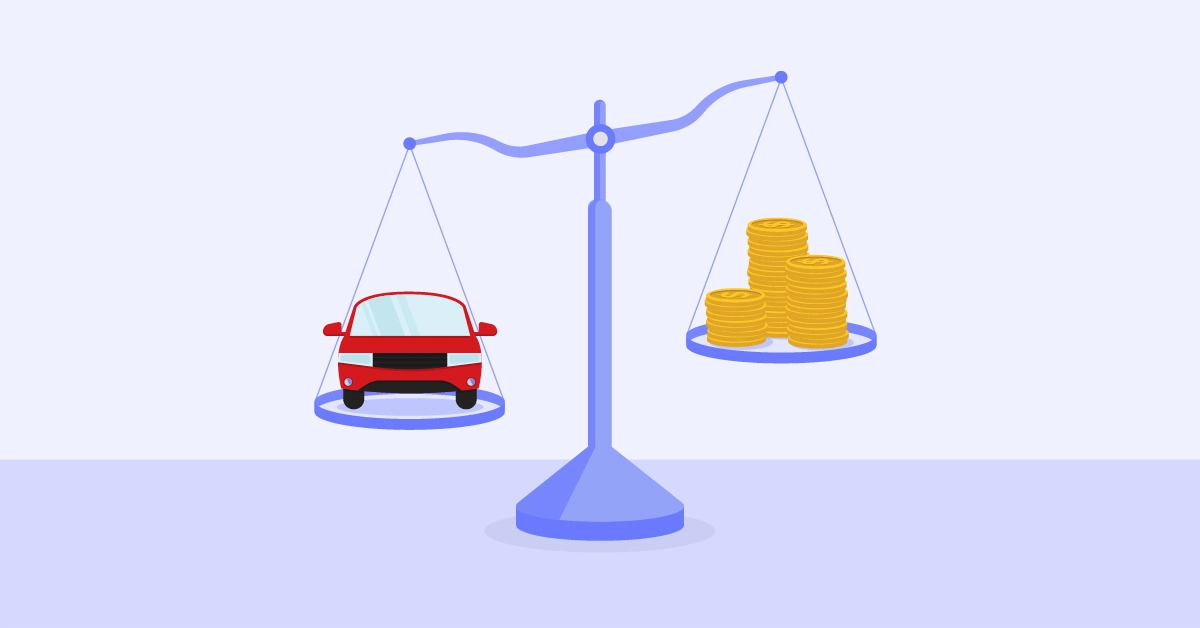
Many car owners in India buy car insurance to protect themselves from unexpected financial losses. While most people focus on premiums and add-ons, one important factor often gets overlooked: IDV. The Insured Declared Value (IDV) of your vehicle plays a major role in determining how much compensation you will receive if your car is stolen or completely damaged.
A common mistake many vehicle owners make is selecting the wrong IDV while purchasing car insurance online. Some people intentionally choose a lower IDV to reduce the premium, while others unknowingly accept incorrect values without checking them. However, this decision can cost you lakhs of rupees during a theft claim.
Understanding how IDV works and choosing the right value is essential if you want proper financial protection for your vehicle.
Understanding IDV in Car Insurance
Insured Declared Value(IDV) is the current market value of your vehicle and represents the maximum amount an insurer will pay if a car is stolen or declared a total loss.
When you purchase car insurance, the IDV is calculated based on the vehicle’s manufacturer’s listed selling price and then adjusted for depreciation based on the car’s age. Over time, as your car gets older, its value decreases, and so does the IDV.
In simple terms, IDV is the compensation limit for your vehicle. If your car is stolen and not recovered, the claim amount you receive will largely depend on the IDV mentioned in your policy.
Today, many car owners use digital tools like an IDV calculator to estimate the correct value of their vehicle before purchasing a policy. These tools help you estimate your car’s approximate value based on age, model, and other details.
Using an IDV calculator helps ensure that the value declared in the policy reflects your car’s actual worth.
How IDV Is Calculated
The IDV of a car is calculated using a standard process that considers several factors. The primary elements used in this calculation include:
- Manufacturer’s listed selling price of the car
- Age of the vehicle
- Depreciation rate
- Accessories installed in the vehicle
As the vehicle gets older, depreciation reduces its value each year. For example, a new car will have a higher IDV compared to a car that is five years old.
To make the process easier, many policy buyers use an IDV calculator for cars while purchasing car insurance online. By entering details such as the vehicle’s make, model, year of purchase, and city of registration, the tool quickly estimates the appropriate IDV.
An IDV calculator ensures that the declared value is neither too high nor too low. Declaring a higher IDV may unnecessarily increase your premium, while declaring a lower value can result in lower claim payouts.
For this reason, using an IDV calculator for a car before finalising a policy is a practical step that helps you make an informed decision.
How Wrong IDV Can Cost You Lakhs in Theft Claims
Selecting the wrong IDV can have serious financial consequences, especially in theft cases where the car is not recovered.
Many car owners deliberately choose a lower IDV to reduce their premium amount. While this might seem like a smart way to save money initially, it can lead to significant losses later.
Let’s understand this with a simple example.
Suppose your car’s actual market value is ₹8 lakh, but you choose an IDV of ₹5 lakh while purchasing your policy to reduce the premium. If your vehicle gets stolen and cannot be recovered, the claim amount you receive will be limited to ₹5 lakh, not ₹8 lakh.
This means you could lose ₹3 lakh simply because of incorrect IDV selection.
On the other hand, some vehicle owners select a very high IDV, thinking it will increase their claim amount. However, insurers generally settle claims based on the actual value of the vehicle, not an inflated one. In such cases, you end up paying higher premiums without receiving additional benefits.
Another problem occurs when policyholders renew their policies automatically without checking the updated IDV. As the car ages, the value changes every year. Failing to update it may result in inaccurate coverage.
Tools like an IDV calculator can help avoid such mistakes. They allow you to check the estimated value before selecting coverage, ensuring your claim amount remains fair and realistic.
Additionally, using an IDV calculator for a car at the time of purchase helps you avoid underinsurance. Underinsurance happens when the declared value is lower than the vehicle’s actual market value.
Some policies available through providers like Generali Central Insurance highlight the importance of correct IDV selection so that vehicle owners are properly protected during total loss or theft claims.
Incorrect IDV selection can also create problems during claim settlements. If the declared value significantly differs from the car’s actual condition or market price, the claim process may become more complicated.
Choosing the right IDV ensures that the compensation you receive can realistically help you replace or recover from the loss of your vehicle.
Protect Your Car’s True Value
Choosing the right IDV is one of the most important steps while buying a policy. It directly affects both your premium and the amount you receive during major claims like theft.
Instead of focusing only on lowering premiums, it is wiser to declare a realistic vehicle value. This helps ensure that you receive fair financial protection if the unexpected happens.
Before purchasing or renewing your policy, take a few minutes to check your vehicle’s estimated value using an IDV calculator for a car. This small step can help you avoid significant financial loss in the future.
Many insurers, including Generali Central Insurance, encourage policyholders to review IDV carefully so their vehicles are adequately covered.
By choosing the right IDV and understanding how it impacts your policy, you can ensure that your vehicle remains properly protected and that a theft claim does not turn into a costly financial setback.