

When families in Delhi start planning long-term care for aging parents, the conversation often begins with a practical question: should they buy a retirement apartment or choose a professionally managed care environment?
For years, the idea of owning property in retirement homes or senior citizen apartments seemed like a natural choice. Ownership provides emotional comfort and long-term security. But as senior care needs to evolve, many families are discovering that housing alone does not solve the real challenge of aging.
Parents may live in beautiful apartments yet struggle with loneliness, irregular meals, or delayed medical support. A house can provide space, but it cannot replace supervision, companionship, or structured daily care.
This is why many families today are exploring the lease-and-care model offered by professional care homes—an approach that focuses on well-being rather than property ownership.
Why Senior Living Decisions Are Changing in Delhi
Delhi NCR is home to a rapidly growing elderly population. According to demographic projections by India’s National Commission on Population, the number of Indians above the age of 60 will more than double in the coming decades.
At the same time, family structures are evolving. Many professionals work in other cities or abroad, leaving aging parents to manage daily life alone.
The biggest concern for these families is not housing it is consistent support.
Parents may require:
- Regular medication monitoring
- Assistance with mobility
- Nutritious meals prepared daily
- Immediate help during emergencies
- Social interaction with peers
This is where professionally managed care homes and assisted living facilities have started to gain attention.
The Limits of Owning Senior Citizen Apartments
Owning property inside a retirement community can offer comfort and familiarity, but it does not always address the everyday realities of aging.
Many senior citizen apartments provide housing and basic amenities, yet families must still arrange external caregiving services.
This often leads to challenges.
Caretakers may change frequently. Domestic helpers may not have medical training. In emergencies, response time can become critical.
For seniors managing conditions such as diabetes, heart disease, or arthritis, inconsistent supervision can increase health risks.
This is why some families eventually transition from owned apartments in retirement homes to professionally managed care homes where healthcare supervision is built into the living environment.
What the Lease-and-Care Model Offers
The lease-and-care model focuses less on property ownership and more on a complete care ecosystem.
Residents typically pay an upfront deposit or long-term lease amount to stay in a community where accommodation, healthcare supervision, and lifestyle support are integrated.
In such environments, residents benefit from:
- 24×7 nursing supervision
- Medication management and health monitoring
- Nutritious meals and dietary support
- Emergency response systems
- Social activities and community engagement
Many modern senior homes operate on this service-oriented model because it allows operators to maintain consistent care standards.
Families often appreciate that everything—from housekeeping to medical coordination—is handled within the same ecosystem.
Why Care Homes Are Becoming the Preferred Choice
One of the most common reasons families move parents into care homes is the need for continuous supervision.
Research published in The Lancet Healthy Longevity suggests that older adults living in environments with structured healthcare monitoring experience better long-term health outcomes.
A professionally managed nursing care home ensures that trained staff remain available throughout the day.
Nurses monitor vital signs, manage medications, and coordinate consultations with doctors when necessary.
This proactive approach helps detect health concerns early and reduces the risk of emergencies.
For families living far away, this level of oversight provides invaluable peace of mind.
Assisted Living: The Bridge Between Independence and Care
Not every senior requires full medical supervision.
Some seniors remain independent but need occasional support with daily tasks. In these cases, assisted living facilities provide a balanced solution.
In assisted living, caregivers help residents with medication reminders, mobility support, physiotherapy sessions, and routine healthcare monitoring.
Residents maintain their independence while knowing that help is available whenever required.
Many modern retirement homes now integrate assisted living facilities within the same ecosystem so residents can transition to higher levels of care without relocating.
This continuity is particularly valuable for aging residents.
Companionship: The Often-Ignored Benefit
Beyond healthcare and daily assistance, care homes offer something many seniors miss while living alone—companionship.
Loneliness among older adults is a growing global concern. Studies from the National Institute on Aging (USA) show that prolonged social isolation increases the risk of cognitive decline and cardiovascular disease.
In a retirement community, residents interact daily with peers who share similar life experiences.
They participate in music sessions, group walks, cultural celebrations, and simple conversations over tea.
These daily interactions strengthen emotional well-being and support active aging.
Many seniors say that the biggest change after moving into senior homes is not medical care—it is the return of daily social life.
The Rise of Professional Care Ecosystems
India’s senior care sector has evolved significantly over the past decade.
Professional organisations now operate structured communities that combine healthcare services with hospitality and lifestyle programs.
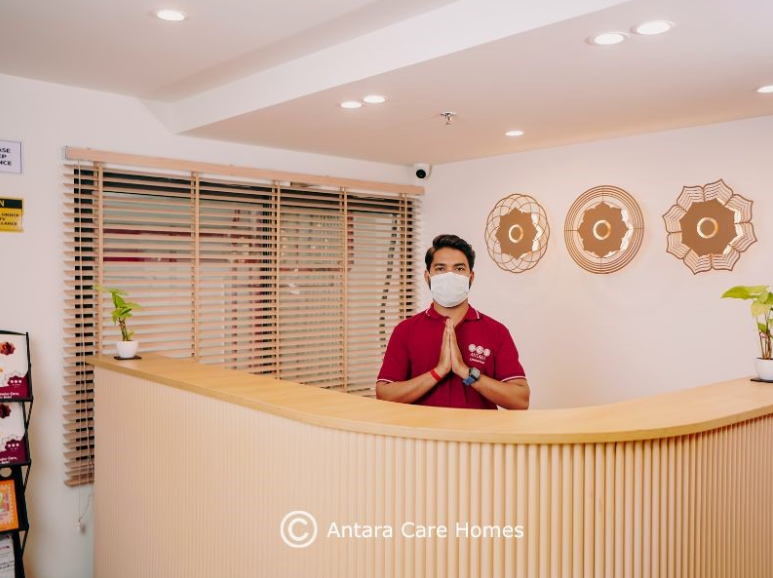
For example, Antara Care Homes is an established senior care organisation that provides medically supervised environments designed specifically for older adults.
Such communities reflect a shift in thinking from viewing senior living as real estate to understanding it as a comprehensive care ecosystem.
Families increasingly prioritise safety, healthcare support, and community engagement over property ownership.
Questions Families Often Ask
Are care homes better than retirement apartments?
While senior citizen apartments provide housing, care homes integrate healthcare supervision, daily assistance, and community engagement.
What is the difference between assisted living and nursing care homes?
Assisted living facilities support independent seniors with occasional assistance, while a nursing care home provides continuous medical supervision.
Is the lease-and-care model financially practical?
Many families find the lease-and-care model practical because it combines housing, healthcare, and services into a single ecosystem.
Do retirement homes provide social activities?
Yes. Most retirement homes organise group activities, wellness programs, and cultural events to support active aging.
Conclusion
When planning for senior living in Delhi, the real question is not whether to buy property or lease it.
The real question is what kind of environment best supports aging.
A beautiful apartment may offer comfort, but it cannot provide daily supervision, companionship, or healthcare coordination.
Professionally managed care homes, assisted living facilities, and nursing care homes are designed to provide exactly these services.
For families whose parents require consistent support—and for seniors who want active, community-based living—the lease-and-care model is increasingly becoming the practical choice.
Because in the later stages of life, care often matters more than ownership.