

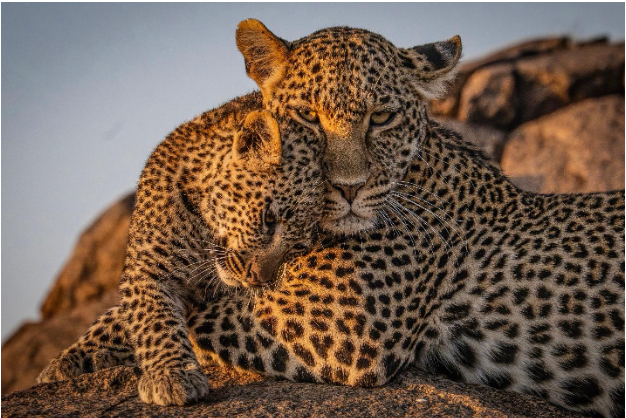
Lions rest beneath an acacia tree. Camera lift. Engines hum softly. The moment feels electric, close, powerful, unforgettable.
Then your guide lowers their voice and says quietly, We stay here. We don’t move close.
Everything shifts. Suddenly, you’re not just watching lions, you’re protecting the moment.
The way you watch decides what you get to see.
In Serengeti National Park, Serengeti Safari Viewing Rules are not restrictions designed to limit your experience. They exist to protect wildlife behavior and when behavior stay natural, sightings become rich, calm, and far more meaningful.
Why Viewing Rules Exist (It’s Not About Controlling Tourists)
Rules protect animal behaviour first everything else follows. Wild animals operate on instinct. When vehicles crowd too close or behave unpredictably, stress levels rise. That stress affects
- Hunting pattern
- Resting cycles
- Social interaction within prides
- Movement between feeding and water areas
Responsible viewing supports long-term ecosystem health and contributes to Tanzania lion conservation efforts.
A respectful Tanzania Safari protect not just a single sighting but the entire Serengeti lion ecosystem over time.
When animals feel undisturbed, they remain visible longer. Ironically, rules often lead to better sighting.
Distance, Positioning, and the “Exit Route” Principle
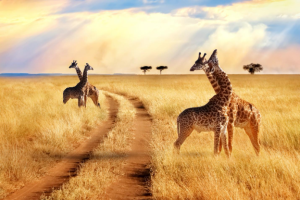
The best guides always leave animals a way out. One of the most important Serengeti safari etiquette principles is to never block an animal’s path.
Great Tanzania Travel Guides position the vehicle at a respectful distance and angle, ensuring wildlife always has a clear exit route. Surrounding animals from all sides may seem exciting, but it creates tension and forces unnatural behaviour.
Patience is key. Instead of pushing close, experienced guides allow the scene to unfold naturally.
When lions feel secure, they relax. When they relax, you witness authentic Lion behavior in the wild, stretching, grooming, subtle communication, and even playful interaction.
Engine Noise, Radio Calls, and Crowd Control
A small sound can turn a calm sighting into a tense one. The Serengeti carry sound differently in the open plain. Engine left running unnecessarily, loud radio chatter, or vehicles rushing in can shift animal behaviour instantly.
On a thoughtful Tanzania wildlife sound safari, guides minimise engine noise and keep communication discreet. Vehicles space themselves carefully. Drivers wait their turn instead of crowding.
A calm environment supports a true Wildlife soundscape safari where you hear wind, birds, and distant movement rather than mechanical interruption. Quiet surroundings benefit both wildlife and guests.
Big Cats Rules: Lions, Leopards, Cheetahs
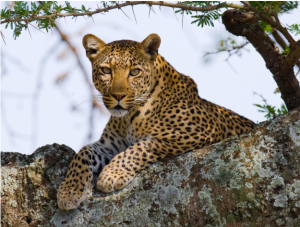
Big cats look relaxed until you notice the stress sign. During a Tanzania big cats safari, subtle signals matter. Lions may appear calm, but stress reveals itself through
- Repeated tail flicking
- Frequent yawning unrelated to sleep
- Sudden alert posture
- Changing direction unexpectedly
Understanding Lion behavior in the wild allows guides to recognise discomfort early. When a sign appears, the responsible guide adjust positioning or increase distance.
Respecting these limits protects natural behaviour and strengthens conservation outcomes across the Serengeti.
Photography Etiquette That Keeps the Moment Wild
A great photo is never worth a disturbed animal.
Photography is part of every safari, but ethical practice ensures wildlife remains undisturbed.
Key habits include:
- No flash photography
- Slow, minimal movement inside the vehicle
- Avoiding sudden standing or leaning out
- Keeping celebrations quiet
A powerful image captured calmly often feels more rewarding than one rushed or forced.
Ethical photography also aligns with broader Tanzania Travel Safety practice, protecting both animals and travellers.
The Guest’s Role: Simple Habits That Improve Sightings
Better sightings often come from quieter guests.
Guests play a major role in how a sighting unfolds.
Simple habits make a difference:
- Trust your guide’s distance decisions
- Stay seated unless invited to adjust
- Lower your voice naturally
- Avoid asking to move closer unnecessarily
Listening stops where engines are turned off, and everyone waiting often produces the most memorable moments.
Supporting skilled guiding through fair Tipping in Tanzania also encourages high standards and ethical practices across the future drive.
- Choose a safari experience that prioritises ethical viewing.
- Book a Serengeti game drive with experienced Tanzania Travel Guides who teach guests how to watch well maintaining safe spacing, respect wildlife behaviour, and protect natural movement patterns across key Tanzania Destinations.
- Because responsible viewing creates the conditions for truly extraordinary sightings.
CONCLUSION
When animals feel safe, they behave naturally. When they behave naturally, they last longer and feel more real.
Following thoughtful Serengeti Safari Viewing Rules doesn’t limit your experience. It deepens it. You begin to understand posture, silence, tension, and release. You see beyond the surface.
Responsible viewing protects wildlife today and strengthens the future of Tanzania’s lion conservation.
In the end, a respectful Tanzania Safari is not just about what you see. It’s about how well you allowed the wild to remain wild.