

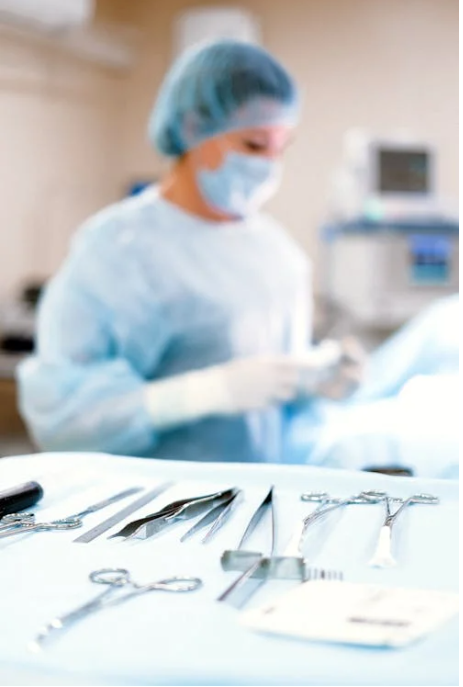
Why Sterilization Is Essential in Modern Surgery
Sterilization is one of the most important components of surgical safety, ensuring that every instrument used in the operating room is free from harmful microorganisms. Without proper sterilization, even the most advanced surgical tools can pose serious risks to patients. Infections can develop quickly and lead to complications that prolong recovery or require additional treatment. Hospitals follow strict protocols to ensure that every tool is cleaned, disinfected, and sterilized before use. These processes protect both patients and surgical teams by reducing the risk of contamination. Effective sterilization is the foundation of safe and successful surgical care.
The Science Behind Effective Sterilization Methods
Sterilization involves more than simply cleaning instruments; it requires eliminating all forms of microbial life, including bacteria, viruses, and spores. Autoclaving is one of the most widely used methods, relying on high pressure steam to penetrate and disinfect surgical tools. Chemical sterilization is another option, especially for heat sensitive instruments that cannot withstand high temperatures. Dry heat sterilization and gas plasma systems provide additional alternatives depending on the type of equipment being treated. Each method must be carefully monitored to ensure proper temperature, pressure, and exposure time. Many facilities rely on advanced systems supported by Baxter Advanced Surgery to maintain consistent sterilization standards and improve patient safety.
Safety Protocols That Protect Patients and Staff
Sterilization is only one part of a comprehensive safety system designed to protect everyone involved in surgical care. Operating rooms follow strict guidelines for handling, storing, and transporting instruments to prevent contamination. Staff members receive specialized training to ensure they understand proper procedures and can identify potential risks. Personal protective equipment, such as gloves, masks, and gowns, helps reduce exposure to harmful pathogens. Regular audits and inspections ensure that sterilization equipment is functioning correctly and that protocols are being followed. These safety measures work together to create a controlled environment where surgical teams can operate with confidence.
The Role of Instrument Maintenance in Surgical Safety
Proper maintenance is essential for ensuring that surgical instruments remain safe and effective over time. Even the most durable tools can become damaged or worn with repeated use. Regular inspections help identify issues such as dull blades, loose hinges, or corrosion that could compromise performance. Instruments must be cleaned thoroughly before sterilization to remove debris that could interfere with the process. Lubrication and proper storage also help extend the lifespan of surgical tools. When instruments are well maintained, they function more reliably and contribute to safer surgical outcomes. Maintenance is a critical part of preserving the integrity of every tool used in the operating room.
How Technology Is Improving Sterilization and Safety
Advancements in technology have significantly improved the way surgical instruments are sterilized and monitored. Modern sterilization units include digital tracking systems that record cycle times, temperatures, and pressure levels to ensure compliance with safety standards. Automated washers and disinfectors reduce human error by providing consistent cleaning results. Smart inventory systems help track instrument usage and maintenance schedules, ensuring that tools are always ready for use. Some facilities use real time monitoring devices that alert staff to potential issues before they become serious. These innovations help streamline workflows and enhance the overall safety of surgical environments.
Conclusion
Sterilization and safety protocols form the backbone of surgical care, ensuring that every instrument used in the operating room meets the highest standards of cleanliness and reliability. Through effective sterilization methods, strict safety procedures, proper maintenance, and advanced technology, surgical teams can provide safer and more efficient care. These practices protect patients, support surgical staff, and contribute to better outcomes across all types of procedures. A strong commitment to sterilization and safety is essential for maintaining trust and excellence in modern healthcare.