

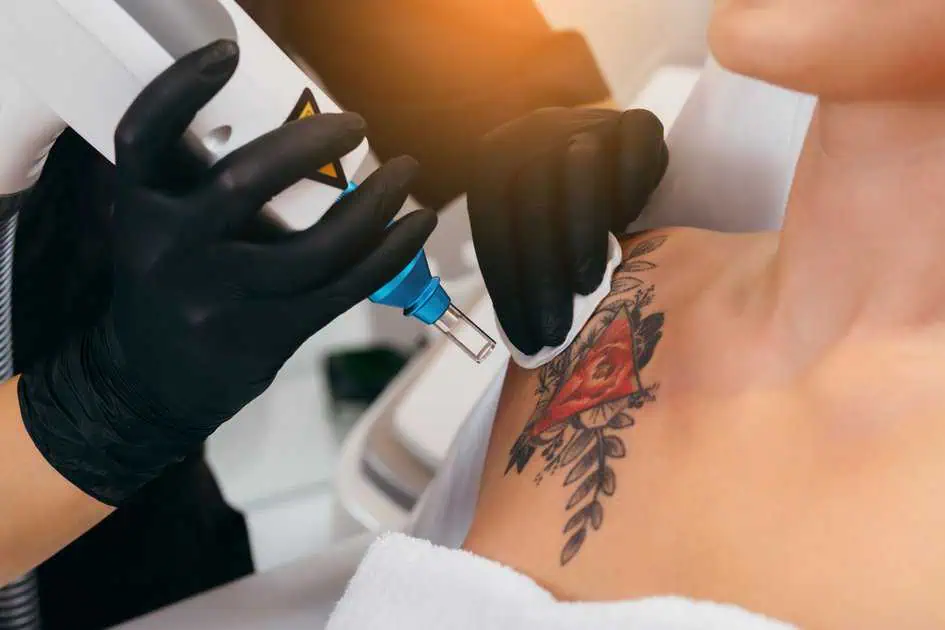
Tattoos are a popular form of self-expression, but sometimes people change their minds or are unhappy with the results. If you have dark or sensitive skin and are considering tattoo removal, there are some important things to keep in mind to ensure the best possible outcome.
Understanding Laser Tattoo Removal
Laser tattoo removal works by using high-intensity laser light to break up the ink particles in your skin. The body’s immune system then gradually removes the shattered ink particles over time. This process typically requires multiple sessions spaced several weeks apart to achieve optimal results.
Challenges for Dark and Sensitive Skin
People with darker skin tones or sensitive skin may face additional challenges when it comes to tattoo removal. Darker skin contains more melanin, which can absorb more of the laser energy and increase the risk of side effects such as hyperpigmentation (darkening of the skin) or hypopigmentation (lightening of the skin).
Additionally, those with sensitive skin may be more prone to irritation, redness, or other adverse reactions following laser treatments.
Choosing the Right Laser
To minimize risks and achieve the best results, it’s crucial to choose a reputable clinic that uses advanced laser technology specifically designed for darker skin types. Quality-switched lasers, such as the Q-switched Nd:YAG laser, emit shorter pulses of energy that are less likely to damage the surrounding skin.
When searching for quality laser tattoo removal Brisbane, Queensland, look for a clinic that has experience treating a wide range of skin types and employs skilled technicians who can tailor the treatment to your individual needs.
Preparing for Your Treatment
Before undergoing laser tattoo removal, there are several steps you can take to prepare your skin and promote healing:
- Avoid sun exposure and tanning for at least 4-6 weeks prior to treatment
- Keep your skin well-moisturized and hydrated
- Avoid using harsh skincare products or exfoliants that may irritate the skin
- Inform your technician of any medications or supplements you are taking
What to Expect During and After Treatment
During the tattoo removal process, you may experience some discomfort, such as a snapping or stinging sensation. Your technician will apply a cooling gel or use a chilled air device to minimize pain and protect the skin.
After each session, it’s normal to experience some redness, swelling, or mild blistering. These side effects typically subside within a few days. Be sure to follow your technician’s aftercare instructions carefully, which may include:
- Keeping the treated area clean and dry
- Applying a cold compress to reduce swelling
- Using a gentle, fragrance-free moisturizer to soothe the skin
- Protecting the area from sun exposure with clothing or broad-spectrum sunscreen
Patience and Persistence
Tattoo removal is a gradual process that requires patience and commitment. The number of sessions needed will depend on factors such as the size, color, and age of your tattoo, as well as your skin type and overall health.
It’s important to maintain realistic expectations and understand that complete removal may not always be possible. In some cases, a small amount of residual ink or slight scarring may remain.
Conclusion
If you have dark or sensitive skin and are considering tattoo removal, it’s essential to do your research and choose a reputable clinic that specializes in treating your skin type. By taking the necessary precautions and following proper aftercare guidelines, you can minimize risks and achieve the best possible results on your journey to clear skin.
Remember, the key to successful tattoo removal is patience, persistence, and working closely with a skilled technician who understands your unique needs. With the right approach, you can say goodbye to unwanted ink and hello to a fresh start.