

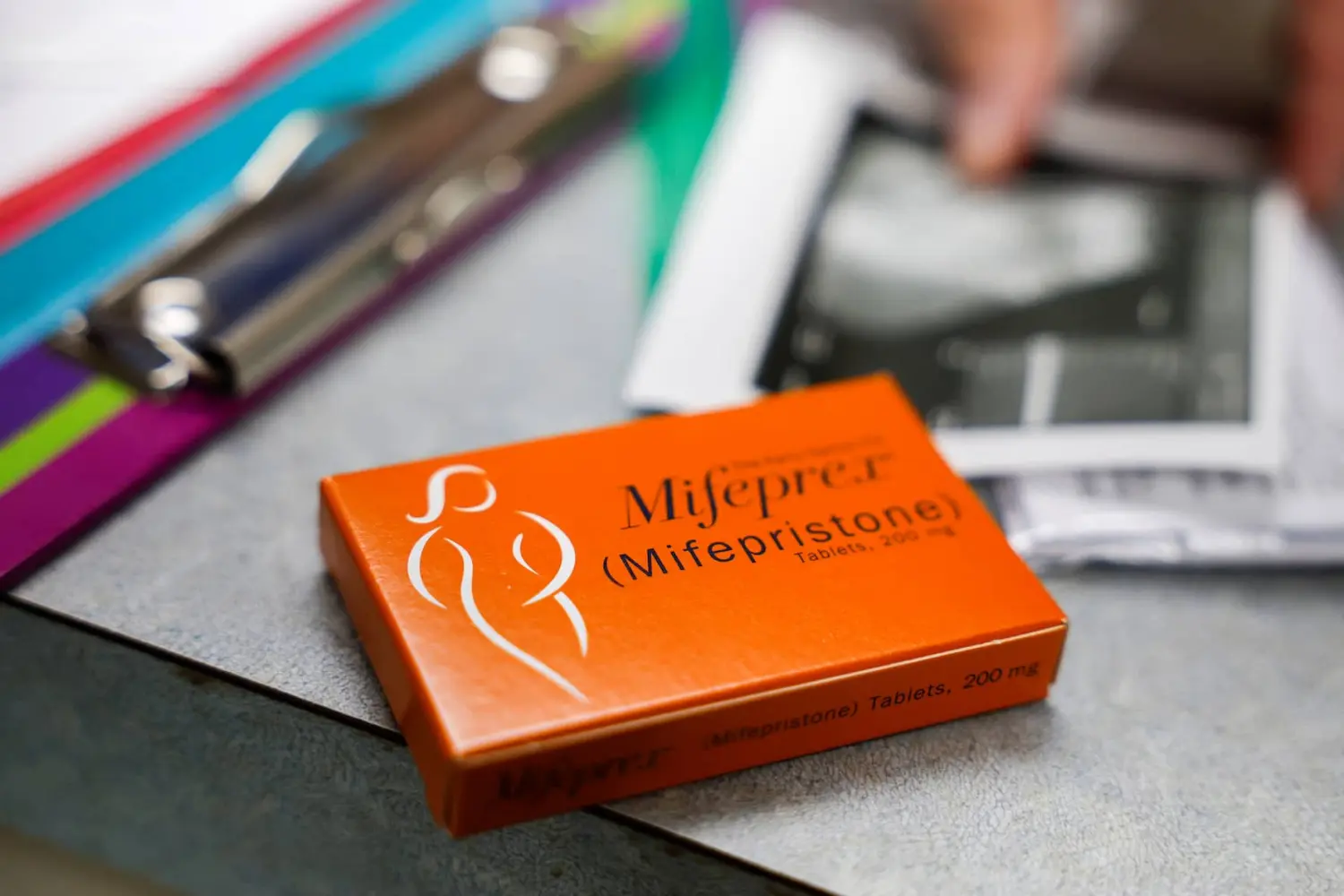
Trying to make a decision about pregnancy, especially an unplanned one, can feel unbearably overwhelming. In the flood of thoughts and emotions that you may be experiencing, the option to consider using an abortion pill may come to mind. Many go for it because it claims to be a safe, non-surgical way to end a pregnancy early. But what exactly happens when you take the pill, and how do you even get one? Keeping these questions in mind, let’s explore the abortion pill in detail and list out the steps to help you get one.
In addition to understanding the medical process, it’s crucial for individuals considering a medical abortion to have access to comprehensive support and resources. For those seeking guidance or further assistance, you can find more information on local clinics and services that offer counseling and support throughout the process. These resources can provide valuable insights and help ensure that individuals make informed decisions that align with their personal circumstances and health needs. Access to accurate information and compassionate care is essential for navigating the complexities of medical abortion safely and effectively.
Step one: Seek a medical consultation
The process begins by seeking a consultation, either in person or online. During this appointment, a healthcare professional may ask questions about your pregnancy and arrange an ultrasound to confirm how far along you are. If you are within the right timeframe, the doctor will explain what to expect. They will also go through your medical history to find the abortion option that’s right for you. If you’re in the early stages of pregnancy – less than 10 weeks – you’ll most probably get the green light for the abortion pill. The final part of this step is to get the pill itself. You can either get the abortion pill online or seek it offline. The choice is up to you.
Step Two: Taking the first pill
The next step in the process is to take the first pill, known as mifepristone. Here’s how it works: it blocks a key hormone in our body called progesterone, which is vital to continue a pregnancy. When we block this hormone, the lining of the womb breaks down, stopping the pregnancy from progressing any further. After you take this pill, you may either experience light bleeding, mild nausea, or nothing at all. Since this first pill prepares you for the next step, you’ll be able to continue your daily activities as usual.
Step Three: Taking the second pill
Now the second pill is called misoprostol, and it is usually taken at home 24 to 48 hours later. This one causes your womb to contract, pushing out the pregnancy tissue. It can feel like having strong period cramps and is usually followed by heavy bleeding.
This stage is often the most intense. While doctors will thoroughly explain how it works, you’ll still need to prepare for the pain, cramping, and heavy bleeding that may last for several hours. To counter some of these issues, you can give heating pads and over-the-counter pain relief meds a try. A bit of rest and having someone you trust nearby for support is also super helpful during this phase. Within 4 to 6 hours of taking this pill, your abortion process will be complete. However, keep in mind that you may experience light bleeding for up to two weeks afterwards.
After taking the pills, it is normal to feel a few adverse side effects, both physical and emotional. The hormonal changes, the stress of taking this decision, and the process of taking the pills themselves can all exact a heavy toll and leave anyone with mixed feelings. Some may feel relief, others may feel sadness, and many may experience both. During this period, if you find yourself feeling isolated or alone, please know that support is available. You can both reach out to people you can trust or speak to your healthcare providers for comfort and assistance.
What do the weeks following an abortion look like?
When carried out with proper medical guidance, research suggests that medical abortion is over 95% effective. It is one of the safest medical procedures available. Complications are rare, and when they do occur, doctors can manage them quickly and effectively.
Your next few weeks will be filled with a few expected after-effects and follow-up care. Around one to two weeks later, a check will be done by your healthcare provider to confirm that the abortion is indeed complete. Depending on the service, this will either happen at the clinic or with a simple at-home test. In case the abortion is not fully complete, you may need to undergo another round of medication. In rare cases, the person may need to opt for surgical intervention to complete the process.
If the abortion is complete, you’ll be entering the recovery phase. During this, specific symptoms are normal and to be expected, ranging from cramping, bleeding, tiredness, to mild fever. Some people also experience nausea or diarrhoea, which usually settles within a day or two.
That being said, most people do return to their regular routines within a few days. Of course, it is advised to avoid strenuous exercise and heavy lifting until bleeding reduces. As for sexual activity, it is usually safe to resume it once bleeding has stopped. But if you wish to avoid pregnancy in the future, be sure to discuss all the contraceptive options with your partner beforehand.
However, there are signs you need to be on the lookout for, as these require immediate medical attention. For instance, very heavy bleeding for several hours should not be ignored at any cost. Similarly, severe pain that does not ease with painkillers, a high fever lasting more than 24 hours, or foul-smelling discharge are signs that you need to contact a doctor immediately to ensure your safety.
How to emotionally recover from an abortion?
While physical recovery is usually straightforward and goes as described above, emotional recovery can vary widely from one person to another. Some people feel at peace, others feel sadness, and some may go through a mix of emotions over time. The good news is that support is available through counsellors, helplines, and support groups. Talking to a trusted friend or healthcare provider can also make a world of difference, while a few activities like meditation and yoga can seriously help take the edge off. The point is – you do not need to isolate yourself or think of this path as a lonely one. Help is available at all points of this journey, and you only need to ask to seek it.
A Step Towards Recovery
In the end, though undergoing medical abortion can be intense for a short time, the entire thing is relatively easy to manage, and the recovery can be a cakewalk with the proper support and care. It may feel daunting at first, but equipping yourself with the knowledge of what happens can make things much easier. Remember: Understanding how it all works and where you need to be careful can bring calm and prepare you for what lies ahead. But most importantly, keep reminding yourself that you do not need to go through this alone. This is a path filled with non-judgmental support, and all that is required from you is taking the first step. Once you do so, everything else will be just fine.