

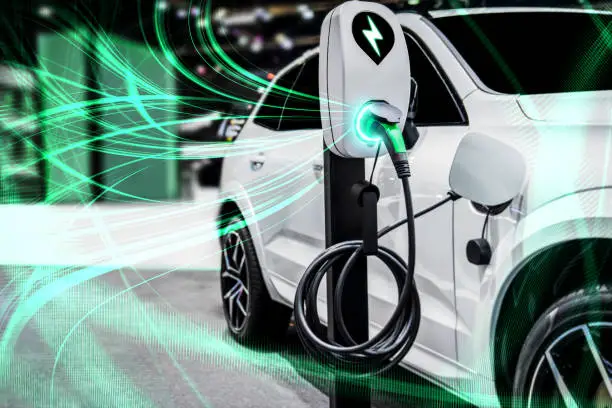
Artificial vehicles are reshaping product roadmaps, supply chains, and after-sales service. If you work in engineering, product, or operations, the right program can move you from surface familiarity to job-ready skills.
Pick one track, protect weekly study time, and convert assignments into portfolio artifacts that show clear decisions, tradeoffs, and results.
Factors to Consider Before Choosing an Electric Vehicle Course
- Role fit and outcomes you want: next job title, responsibilities, salary band
- Starting point: beginner fundamentals versus practitioner upskilling
- Commitment, self-paced flexibility versus live sessions and deadlines
- Assessment, hands-on labs, capstone, and a verifiable certificate
- Career value: depth of curriculum, instructor credibility, and industry alignment
Top EV Courses to Launch Your Career in 2025
1) Post Graduate Diploma in Electric Vehicles, BITS Pilani WILP
Duration: Two semesters, part-time
Mode: Online with live sessions
Short overview: A work-friendly diploma focused on EV systems design, regulations, safety, and energy management. The program targets engineers in auto, power electronics, or manufacturing who need structured depth without leaving their job, and it stacks into professional growth paths in EV design, testing, and compliance.
What sets it apart?
- Purpose-built for working professionals
- Emphasis on EV design, regulations, and energy management
- Clear semester structure and assessment
Curriculum or modules provided
- Vehicle dynamics and EV architecture
- Power electronics and motor drives
- Battery systems, BMS, charging, safety
- Standards, homologation, and testing
Ideal for
- Early to mid-career engineers seeking a formal EV credential
2) e Postgraduate Diploma in E Mobility, IIT Bombay Continuing Education
Duration: Eighteen months approximately
Mode: Online with live teaching
Short overview: This ev course is a comprehensive multi-course path covering EV architecture, batteries, charging infrastructure, power electronics, and business aspects. Learners complete IIT Bombay credits across core and elective courses, with case studies and assignments mapped to real engineering problems.
What sets it apart?
- Credit-bearing IIT Bombay curriculum with core plus electives
- Strong focus on batteries, converters, and the charging ecosystem
- Weekly live hours plus guided self-study for steady progress
Curriculum or modules provided
- Introduction to e-mobility and EV subsystems
- Battery technology for EVs
- Power converters, control, and regenerative braking
- Charging tech, grid integration, and business topics
Ideal for
- Practicing engineers moving into EV systems or charging infra roles
3) ARAI Academy EV Proficiency Improvement Programs, Pune
Duration: Short modules, two to five days, various runs
Mode: In-person and blended options
Short overview: Modular skill sprints from India’s automotive R&D body that zero in on testing, NVH, powertrain, and e-mobility labs. Useful for teams that need targeted upskilling in standards, certification workflows, and rig-based measurements without a long academic commitment.
What sets it apart?
- Direct exposure to automotive test facilities and standards
- Topic-specific workshops that fit busy plant and lab schedules
- Certificate-bearing short courses for quick capability lift
Curriculum or modules provided
- EV systems and safety
- Motor and inverter testing
- Charging protocols and compliance
- NVH and durability clinics
Ideal for
- Plant, test, and validation engineers who need focused refreshers
4) Electric Vehicle Service Lead Technician, Skill India Digital
Duration: Program hours vary by center, typically multiple hundred hours
Mode: Blended with extensive hands-on
Short overview: Technician pathway covering diagnostics, high voltage safety, drivetrain, and electronics repair for two-wheelers, three-wheelers, and passenger vehicles. Built to feed workshop roles where safe procedures and rapid fault isolation are non-negotiable.
What sets it apart?
- Government-backed skills framework for employability
- High voltage and safety procedures emphasized
- Workshop-centric tasks that mirror job scenarios
Curriculum or modules provided
- EV architecture and safety
- Battery, BMS, and thermal systems
- Powertrain diagnostics and repair workflows
- Service documentation and tools
Ideal for
- Technicians and service leads transitioning from ICE to EV
5) e Postgraduate Diploma in E Mobility, IIT Bombay Electrical Engineering EV Powertrain Lab
Duration: Eighteen months approximately
Mode: Online with live teaching
Short overview: The department hosted a view of the ePGD, a course on electric vehicles, which highlights the lab ecosystem and faculty expertise behind the program. It stresses advanced skills across power electronics, control, and EV systems engineering to prepare learners for roles in design and integration.
What sets it apart?
- Department anchored delivery with research-active faculty
- Emphasis on powertrain control and converters
- Cohort learning with a career growth focus
Curriculum or modules provided
- EV powertrain control
- Converter modulation and drives
- Charging systems and grid interface
- Case studies from Indian e-mobility deployments,
Ideal for
- Engineers targeting advanced roles in EV controls and integration
6) Introduction to Electric Vehicles, Great Learning
Duration: Short, self-paced introductory module
Mode: Online
Short overview: A free fundamentals course that clarifies EV types, basic subsystems, and charging options. Good as a quick primer before investing in longer programs, and valuable for non-specialists who must collaborate with engineering or operations teams. Certificate available on completion.
What sets it apart?
- Free entry point with a certificate
- Precise, beginner-friendly vocabulary for cross-functional teams
- Quick win before a more extended diploma
Curriculum or modules provided
- EV types and how they work
- Charging infrastructure options
- Pros, cons, and use cases
Ideal for
- Product, PMO, procurement, and leadership need a baseline
7) Electric Vehicles Short Course, CiSTUP IISc Bengaluru
Duration: Short course, multiple days, periodic runs
Mode: Online or hybrid, as announced
Short overview: A compact program that covers EV components, Li ion fundamentals, BMS, charging types, and global protocols like OCPP and OCPI. Designed to give professionals a structured survey of EV tech and the market outlook with an Indian and international context.
What sets it apart?
- Protocols and ecosystem view beyond the vehicle
- Systems perspective that connects components to market needs
- Concise format for quick upskilling
Curriculum or modules provided
- Components and EV types
- Batteries and BMS
- AC and DC charging
- Protocols and market outlook
Ideal for
- Cross-functional teams and managers aligning roadmaps with EV trends
Conclusion
Electric mobility rewards people who can prove real competence. Choose one program that fits your weekly schedule, finish it, and turn lab work into minor artifacts with data, diagrams, and a clear README. That evidence gives hiring teams confidence.
If you are new, start with a fundamentals track and earn a certificate to track progress. Transition to project-based learning that includes tests and documentation. Share work for feedback, refine it, and keep iterating until reviewers can assess quality in minutes.