

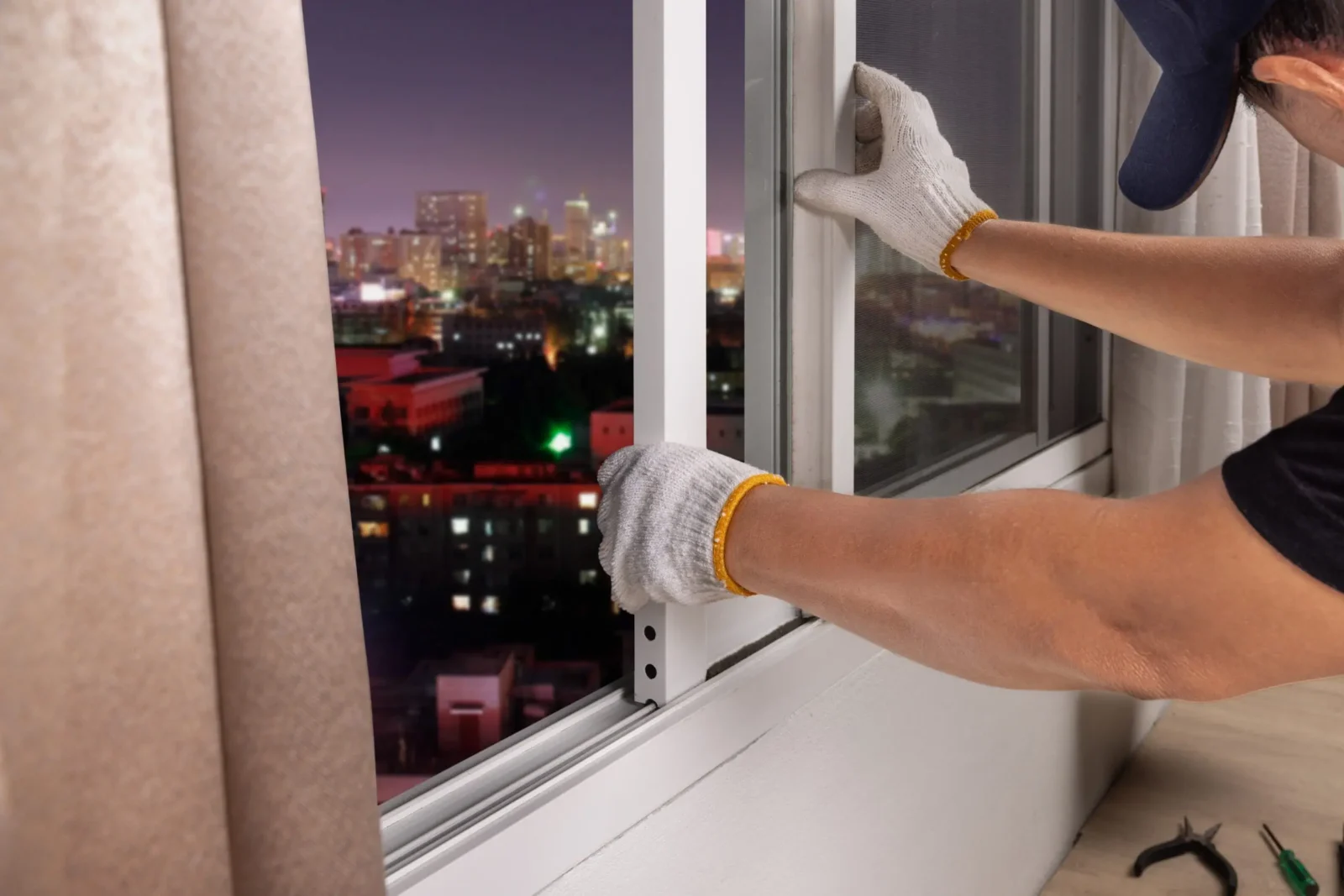
Sliding windows have a subtle way of transforming the feeling of a home. They keep sight lines free, let in light and breeze, and allow for everyday ventilation without taking up coveted space the way swing-open windows do.
But handling the details well is what brings the real payoff. It matters what window you choose for your climate, how you prepare the opening properly and install it centered with a forethought to level, sealing and drainage. This guide traces the steps from choosing the right sliding window to installing and maintaining it, using techniques that will make the window function as well as it looks.
Why Sliding Windows Work So Well in Modern Homes
Sliding windows are built around a simple idea: one or more sashes glide horizontally along a track. That simple motion creates design flexibility and day-to-day convenience, especially in spaces where every inch matters.
The Look: Clean Lines, Bigger Views, More Light
One reason that sliding windows keep appearing in renovations is how visually quiet they are. The frames are usually thinner than many classic styles, so you have more glass and less bulk.
That additional window can help make a room feel more tranquil and open, especially in rooms like living rooms, kitchens and home offices, where natural light alters the tone of the space. Sliding windows also work well with modern layouts that blend indoors and out. Patios, decks, gardens or a city skyline.
They can skew modern with slim frames and understated hardware, or inspire a more traditional vibe with grilles, warmer finishes and wood interiors. The layout is contemporary, though it does not impose a contemporary style.
The Performance: Better Comfort Through Better Glass
Build their sliding windows today, and they can be efficient. Heat transfer is lessened through Insulated glass, Low-E coatings and gas fills. That translates into less stress on heating and cooling systems.
A properly installed slider also helps keep out drafts. Because the frame is made to fit snugly, and the sash meets the jamb with weatherstripping, you can get a good seal. Of course, this assumes that the unit is square and that the perimeter has been correctly sealed with insulation and caulk.
The energy performance is not limited to the window itself. It also encompasses installation details — shimming correctly, sealing the exterior and avoiding gaps that welcome air leaks.
The Practical Advantage: No Swing Space Required
Sliding windows do not need clearance to open inward or outward. That is a big deal over a kitchen sink, behind a couch, above a bathtub, or anywhere furniture placement is tight.
They are also easy to live with. Many designs include screens on a separate track so you can get airflow without inviting insects. And because the opening is wide and unobstructed, they are great for cross-breezes when paired with a window on the opposite side of the home.
Choosing the Right Sliding Window Before You Install
A smooth sliding window installation starts before you pick up a tool. The window’s material, style, and size all affect how it performs and how forgiving it is during installation.
Materials: Aluminum, Vinyl, and Wood Each Have a Best Use
Aluminum is strong and stable, which makes it a solid choice for larger openings. It holds its shape well and does not swell with moisture. Modern aluminum frames often include thermal breaks to reduce heat transfer, which matters if you are in a very hot or very cold climate.
Vinyl is popular for a reason. It insulates well, it is low maintenance, and it usually offers good value. You will not be repainting it, and it stands up well to everyday weather. Quality varies widely, so it is worth paying attention to frame thickness and hardware.
Wood brings warmth that is hard to imitate. It can match older homes beautifully and can be painted or stained for a custom look. The tradeoff is maintenance. Wood needs protection from moisture, and in humid areas it requires more consistent care.
When you are choosing, consider your climate first, then maintenance tolerance, then the look you want. It is easier to love a window long-term when it fits your lifestyle.
Style Choices: Contemporary Minimalism or Traditional Detail
Even within sliding windows, you will find a range of aesthetics.
Modern options lean toward thin frames, larger panes, and subtle hardware. Some include upgraded glazing packages like triple-pane for better insulation and sound control.
Traditional designs often use grilles or divided-light patterns, thicker profiles, and wood interior trims. These can look more at home in classic architecture while still giving you the convenience of sliding operation.
A good rule is to match the window’s visual weight to the house. A sleek, ultra-minimal frame can look amazing, but on a very traditional exterior it may feel out of place.
Size and Fit: Why Measuring Matters More Than People Think
Sliding windows aren’t as forgiving as they appear. If the opening is out of square, the sash can slide imperfectly, the locks may not align properly or the seals may not compress equally.
You can also measure the width and height of the opening in several spots. It is three times, for width: top, middle and bottom. Check height left, center, and right. If the measures are not consistent, you’ll have to allow for careful shimming and in some cases, select a smaller unit and build out the opening correctly.
Also consider the room. A larger window can feel amazing, but could clash with cabinetry, hood height or privacy requirements. In bedrooms, for instance, you can balance view and light with furniture placement and window treatments.
Sliding Window Installation Techniques That Pros Use
If you are serious about results, treat installation as a precision job. The goal is not just to get it in. The goal is square, level, sealed, and ready for years of smooth operation.
Tools and Materials to Have Ready
Gather everything before you start. Stopping mid-installation to run for supplies is when shortcuts happen.
You will typically need:
- Tape measure and pencil
- Level (a longer one helps)
- Square
- Drill/driver with bits
- Utility knife
- Pry bar (if removing an old unit)
- Shims
- Fasteners recommended by the manufacturer
- Insulation (often low-expansion spray foam or fiberglass)
- Flashing tape (as needed for exterior water management)
- Caulk and a caulking gun
- Safety glasses and gloves
If you are replacing an old window, also plan for debris cleanup, surface repair, and possibly new trim.
Prep Work: Getting the Opening Ready Matters More Than Speed
Start with the opening. It should be structurally stable, clean and support the new frame evenly.
If you are taking out an older window, work carefully so you don’t damage framing or exterior finishes that you plan to retain. When it’s out, check the rough opening for rot, soft spots or moisture staining. Addressing small problems now is much easier than trying to chase leaks later.
Check the sill condition. It has to remain stable, and it has to have some way of being able to shed the water outwards. In many installations, flashing or sill pan diverts water from the wall assembly.
Before fastening, dry-fit the new window to ensure it is set correctly in position and has enough clearance for shimming. If it is tight in one corner and loose in another, you are already noticing the opening’s eccentricities — and can adjust your shimming accordingly.
Setting the Window: Level, Plumb, Square, Then Fasten
This is the heart of sliding window installation.
Place the window into the opening and center it. Use a level to check the sill. If the bottom is not level, the sash may drift or bind.
Use shims where needed, typically near corners and at fastening points, so the frame stays straight and supported. A common mistake is shimming too aggressively in one spot, which can bow the frame and make the sash hard to move.
Check the fit in three ways:
- Level across the bottom
- Plumb on both sides
- Square using diagonal measurements (the diagonals should match)
Only once it is correct should you fasten the frame, following the manufacturer’s instructions for screw placement and spacing.
After fastening, test the sash movement. It should glide smoothly without resistance. Lock it and confirm alignment.
Sealing and Insulating: Where Comfort and Leak Prevention Are Won
When the unit is complete, turn your attention to the perimeter.
Fill between the frame so it is insulated but not overfilled. Foam that expands too much can twist the frame, so if you foam, use a low-expansion product. Fiberglass insulation is preferred in some instances for better control.
Then seal the exterior. Use caulk where needed, typically at exterior trim-to-window joints and in other places that help keep water from getting through. Shoot for a beaded flow, not an abutted collection of start-and-stop spots.
If the installation calls for flashing tape, install it in the correct order to shed water outward, not inward. Think like rain. Each layer should overlap the previous one.
Trim and cleanup-test operation again. A window that slides gracefully before it’s sealed should still slide gracefully after it’s been sealed.
Common Installation Mistakes and How to Avoid Them
Most sliding window problems do not come from bad windows. They come from small installation issues that grow over time.
Measurement Errors That Create Big Headaches
Even a half-inch mistake can lead to excessive shimming, poor sealing, or an unstable fit. Measure several times and compare results. If the opening is unusually uneven, treat that as a problem to solve, not something to ignore.
Skipping the Level Check
A slider depends on alignment. If the frame is slightly twisted, you may not notice immediately. Weeks later, you may notice sticking, drafty corners, or a lock that never quite lines up.
Use shims patiently. Make small adjustments and re-check often.
Rushed Caulking and Weak Water Control
A messy, inconsistent seal invites drafts and moisture. Take your time and make the bead smooth and continuous.
Also remember that sealing is not just about air. It is about water management. A window should be installed with the expectation that water can show up, and it should have a clear path out.
Keeping Sliding Windows Smooth, Clear, and Reliable
A great install is only half the story. Sliding windows stay nicer longer when you maintain the tracks, seals, and finish.
Cleaning the Glass and Frame Without Damaging Finishes
For regular cleaning, use a soft cloth with mild soap and warm water. Avoid harsh chemicals that can dull finishes or weaken seals.
Pay attention to the tracks. Dirt and grit are the enemies of smooth sliding. Vacuum the track with a narrow attachment, then wipe it clean. If you live in a dusty area or near trees, track cleaning makes a noticeable difference.
If you have wood interiors, watch for moisture exposure near kitchens and baths. Small paint or sealant touch-ups can prevent bigger issues later.
Fixing Common Problems: Sticking, Drafts, and Condensation
If the sash starts to stick, the first suspect is the track. Clean it thoroughly and consider a silicone-based lubricant designed for window tracks.
If you feel drafts, inspect the weatherstripping and seals. Worn strips can often be replaced, restoring comfort without replacing the whole window.
Condensation between panes is different. That typically indicates a failed seal in the insulated glass unit. In that case, replacement of the glass unit, or the window depending on design, is usually the right call.
When It Is Worth Bringing in a Professional
Some issues are DIY-friendly. Others are a sign to stop and call someone experienced.
Get help if you notice:
- Persistent leaks you cannot trace or stop
- Warped frames or structural damage around the opening
- Broken glass or major hardware failure
- An older installation with widespread seal deterioration
- Any situation where local building codes or structural changes are involved
A professional can also spot subtle problems like incorrect flashing sequence or hidden rot that homeowners often do not see until damage has spread.
A Final Note on Getting the Best Results
Sliding windows can make a home feel brighter, calmer, and more functional. But the benefit depends on the details. Choose the right material, measure carefully, set the frame precisely, and seal with care.
If you approach sliding window installation like a finish-quality project, you get more than a new window. You get a quieter room, fewer drafts, smoother operation, and a design upgrade that feels intentional every time you open it.