

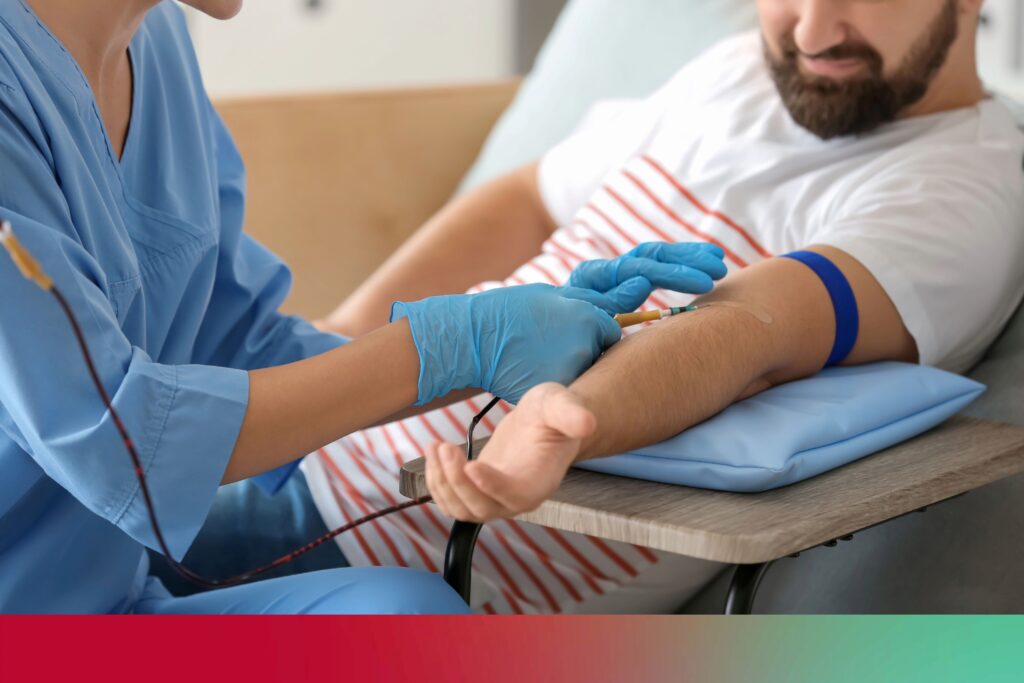
If you are thinking about donating plasma regularly, one of the first questions that comes up is practical: how long between plasma donations is safe, reasonable, and sustainable for your body.
The short answer is that plasma replaces faster than many people expect, but your body still needs time, hydration, and nutrition to recover well. The best donation schedule is not just about what is allowed. It is also about how you feel after each visit and how consistently you can take care of yourself in between.
This guide explains what happens in your body after donation, what most donors feel right away, what recovery actually involves, and what the general expert guidance says about spacing donations. It also clears up common myths and shows why timing matters not only for you, but for the patients relying on plasma-based therapies.
What Happens to Your Body After Plasma Donation?
Plasma donation is not a mystery procedure, but it does create an immediate change in your body. Understanding that change makes it easier to plan your week and avoid the “why do I feel off” moment later.
The Immediate Effects After Donation
Right after a donation, the main thing your body notices is a reduction in plasma volume. Plasma is largely water, so your circulation can feel the change in fluid balance, especially if you arrived under-hydrated or skipped a meal.
Some donors feel completely fine and go about their day normally. Others notice mild effects such as:
- Lightheadedness when standing up quickly
- Feeling a bit tired or “washed out”
- Chills during or after the appointment
- Mild soreness or bruising at the needle site
Most of these are short-lived and improve with rest, fluids, and food. They are also more common with first-time donors because your body and your routine are not dialed in yet.
A key point is that plasma donation returns your red blood cells and platelets back to you during the process. That is part of why recovery tends to be manageable when you follow aftercare guidelines.
How Your Body Replenishes Plasma
Your body starts replacing plasma quickly. Because plasma is mostly water, one of the fastest ways to support recovery is simply restoring fluids. When you hydrate well after donating, you help your circulatory system return to its usual balance.
However, plasma is not only water. It includes proteins that your body has to synthesize. That means nutrition matters too, especially protein intake over the next day or two.
This is why two donors can have very different experiences with the same donation schedule. One eats well, hydrates, and sleeps normally, and they feel steady. Another donates after a busy week, eats lightly, drinks too little water, and feels drained even if the donation itself went smoothly.
The Long-Term Picture for Regular Donors
Some donors enjoy the routine of donating because it builds a sense of purpose. Others like the structure and the built-in health screening that many centers require. Over time, regular donors often get better at preparation, which makes recovery easier.
Still, it is important to be realistic. Donating too frequently without supporting your body can lead to fatigue, dehydration, or feeling run down. A sustainable schedule is one that fits your lifestyle, not one that forces you to constantly “bounce back.”
Plasma Donation Frequency: How Often Can You Donate?
This is where the main question lives. People want a clear number, but the best answer combines general guidelines and personal recovery.
The Body’s Rhythm: Plasma Renewal Timing
Plasma volume can return relatively fast, often within a couple of days. That is why donation schedules often allow multiple donations within a week for eligible donors.
But “plasma is back” does not always mean “you feel 100 percent.” Your hydration status, sleep, stress level, diet, and even how physically demanding your week is all affect how you recover.
If you want a reliable sense of how long between plasma donations is right for you, pay attention to signals like:
- Your energy level the day after donation
- Whether you get headaches or feel unusually thirsty
- How quickly any lightheadedness resolves
- Whether your workout performance or focus feels off
- How your arm feels at the needle site
If those signals are mild or absent, your spacing is probably working. If they show up repeatedly, you may need more recovery time or better pre-donation preparation.
General Guidelines: The Typical Recommended Spacing
In the United States, plasma donation is regulated, and donation centers follow rules designed to protect donors. A commonly cited guideline is that donors may donate up to twice within a seven-day period, with at least 48 hours between donations.
That spacing exists for a reason. It gives your body time to restore fluid balance and protein levels and helps reduce the chance of side effects that come from donating too frequently.
Even within that guideline, some people choose to donate less often because it fits their schedule better or because they feel better with extra recovery time. That is completely valid. The best schedule is the one you can maintain while still feeling healthy and stable.
Why Nutrition and Hydration Change the Answer
If plasma is mostly water, hydration is the foundation. But what you eat also affects how well you tolerate donation and how quickly you recover.
If you want to keep donation comfortable and consistent, focus on:
- Drinking water steadily the day before and the day of donation
- Eating a real meal before your appointment, not just a snack
- Getting enough protein over the next 24 to 48 hours
- Limiting alcohol around donation days since it can dehydrate you
- Avoiding extremely intense workouts right after donating
When these basics are in place, the standard donation spacing tends to feel much easier.
What Donors Should Expect for Pain and Recovery
A lot of people hesitate because they assume the process will be painful or that recovery will be dramatic. For most donors, the reality is calmer than the fear.
What the Discomfort Usually Feels Like
The most noticeable moment is needle insertion. Most people describe it as a pinch and pressure, similar to a typical blood draw.
Afterward, you might have mild soreness or bruising at the site. That usually improves quickly if you keep the bandage on as instructed, avoid heavy lifting with that arm, and stay hydrated.
If you tend to bruise easily, or if you move your arm a lot during donation, bruising can be more noticeable. It is not usually dangerous, but it can be annoying. Staying still and following staff instructions helps.
Typical Side Effects and How to Reduce Them
The most common post-donation issues are lightheadedness and fatigue. They usually happen when someone donates on low fluids, low food, or high stress.
To reduce the odds:
- Eat a balanced meal one to two hours before donating
- Drink water throughout the day, not just right before you go
- Plan a calmer schedule after donation if it is your first few times
- Stand up slowly after your appointment
- Accept the snacks and fluids offered and keep hydrating afterward
If you feel lightheaded, treat it like your body is asking for a pause, not a push. Sit down, drink water, and give it time.
When to Take a Break and Give Yourself More Time
Sometimes the smartest move is simply spacing out donations more. Consider extending the time between visits if you notice:
- Persistent fatigue that lasts into the next day
- Frequent headaches after donating
- Trouble sleeping after donation days
- Repeated bruising that takes a long time to heal
- Feeling run down, especially during busy or stressful weeks
Spacing out donations can be the difference between a positive routine and a routine that starts to feel like a drain.
Myths and Facts About Plasma Donation Timeframes
A lot of misinformation floats around, especially online. Clearing it up helps donors make better choices without unnecessary fear.
Myth: Donating Plasma Drains You for Weeks
For healthy donors who follow guidelines, plasma volume replenishes quickly. Most people who feel rough after donation feel better within hours or by the next day, especially with hydration and food.
If someone feels unwell for a long time, it often points to an underlying issue such as not eating enough, not hydrating, or donating when they were already depleted. It is also a sign to pause and speak with the donation center staff or a healthcare professional.
Myth: You Should Donate as Often as Possible
Just because a schedule is allowed does not mean it is ideal for you personally. Some people do well donating at the maximum frequency. Others feel better donating once a week or less.
A responsible donor mindset is not “how often can I go,” but “how often can I go while staying healthy.”
Myth: Recovery Is Only About Rest
Rest matters, but recovery is also about inputs. Hydration and nutrition are the biggest levers most donors can control.
If you donate and then skip meals, drink little water, and go straight into a physically demanding day, your recovery will feel worse. If you donate, hydrate, eat well, and keep your schedule lighter for a bit, you are far more likely to feel normal.
Why Timing Matters Beyond Your Own Body
It is easy to treat donation timing as a personal scheduling question. But it also affects the reliability of the plasma supply.
The Ripple Effect on Patients
Plasma-derived therapies support people with chronic and serious conditions. Many patients depend on consistent access to these therapies, not occasional availability.
When donors follow safe schedules and stay healthy enough to donate consistently, the overall supply becomes more stable. That stability is what helps therapies remain available for people who need them regularly.
Community Benefits and Medical Progress
A strong donation community supports more than individual treatments. It also supports the broader system of care that relies on plasma-based products.
When donors donate sustainably and centers can plan around consistent donor participation, the system works better. Patients benefit, hospitals benefit, and research and development in plasma-derived therapies can continue moving forward.
Practical Tips to Find Your Best Donation Spacing
If you want to answer “how long between plasma donations” in a way that fits your real life, use a simple approach.
Start Conservative, Then Adjust
If you are new, do not rush into a frequent schedule immediately. Start with a slower rhythm, see how you feel, and then decide if you want to donate more often.
This helps you learn your recovery pattern without stacking donations too close together before you understand how your body responds.
Build a Routine That Supports Recovery
Consistency helps. Try to donate on the same days of the week, eat similar meals beforehand, and hydrate the same way each time. When your preparation is consistent, it is easier to spot what changes your recovery.
Keep a Simple “Recovery Checklist”
After each donation, ask yourself:
- Did I drink enough water today?
- Did I eat a full meal after donating?
- Did I avoid heavy exertion for the rest of the day?
- Do I feel normal by bedtime and the next morning?
If the answer is yes most of the time, your spacing is probably working well.
Final Thoughts
So, how long between plasma donations? For many donors, the standard spacing of at least 48 hours between donations provides a workable baseline. But the best answer includes your body’s signals, your hydration and nutrition habits, and how you feel after each visit.
If you build a routine that supports recovery, plasma donation can be a sustainable habit that helps others while still keeping you feeling strong and well.