

A car crash can leave you shaken, injured, and unsure of what steps to take next. In the moments and days following an accident, decisions made can have a lasting impact on your ability to recover compensation.
Evidence plays a central role in determining fault, proving damages, and resolving insurance or legal claims. Understanding what to do after a car accident includes knowing which types of evidence matter most and how they support your case.
Strong evidence helps create a clear picture of how the crash occurred and who was responsible. Insurance companies and courts rely on facts, not assumptions, so gathering and preserving the right information is essential. Below are the most important types of evidence to focus on after a crash.
Police Reports and Official Records
One of the most valuable pieces of evidence after a crash is the police report. When law enforcement responds to an accident, officers document details such as the time and location of the crash, involved parties, witness statements, and any citations issued. While a police report does not always determine fault on its own, it provides an objective account that insurers and legal professionals heavily rely on.
If emergency responders are involved, medical or incident reports can also help establish the severity of the crash and the immediate response.
Photographs and Videos From the Scene
Visual evidence is often one of the most persuasive forms of proof. Photos and videos taken at the scene can capture vehicle damage, road conditions, skid marks, traffic signs, weather, and injuries. These images preserve details that may disappear quickly once vehicles are moved or repairs begin.
When taking photos, try to capture multiple angles and wide shots to show context, as well as close-ups that highlight specific damage or hazards.
Medical Records and Injury Documentation
Medical evidence is critical when seeking compensation for injuries. Records from emergency rooms, doctors, physical therapists, and specialists create a clear connection between the crash and your injuries. These documents show diagnoses, treatment plans, and the extent of your physical harm.
Prompt medical care strengthens your claim by demonstrating that injuries were caused by the crash and not by another event. Delays in treatment may raise questions about the seriousness or cause of injuries.
Witness Statements
Independent witnesses can provide unbiased accounts of how the crash happened. Witnesses may confirm traffic signal status, driver behavior, or who had the right of way. Their testimony can be especially valuable when drivers disagree about fault.
Collecting witness names and contact information as soon as possible is important, as people may leave the scene or become difficult to reach later.
Vehicle Damage and Physical Evidence
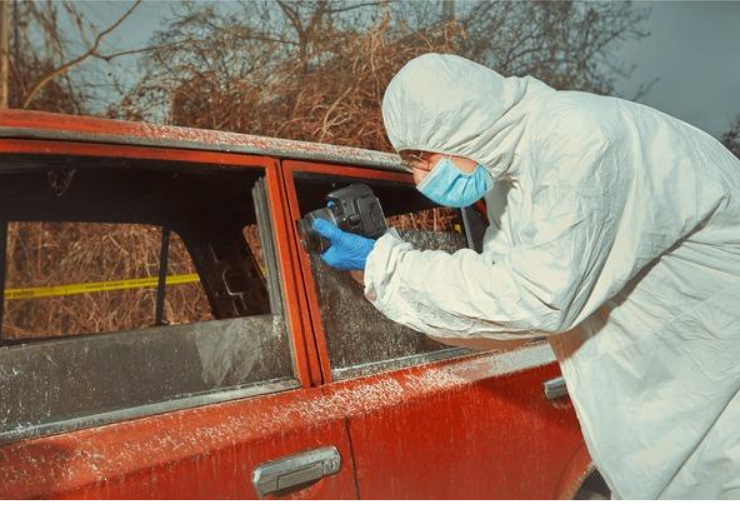
The condition of the vehicles involved can tell a story about the crash. Damage patterns, broken parts, and airbag deployment can help experts determine speed, point of impact, and direction of travel. In some cases, physical evidence from the roadway, such as debris or tire marks, can also support accident reconstruction.
Do not rush to repair or dispose of a damaged vehicle until documentation is complete, as it may be needed for further evaluation.
Electronic and Digital Evidence
Modern vehicles often contain event data recorders that capture information such as speed, braking, and seatbelt use just before a crash. Dash cameras, traffic cameras, and surveillance footage from nearby businesses may also provide valuable insight into how the accident occurred.
Additionally, phone records may be used to determine whether distracted driving played a role in the collision.
Insurance and Financial Documentation
Finally, financial records help demonstrate the full impact of the crash. Repair estimates, rental car receipts, medical bills, and proof of lost wages all contribute to showing the extent of your damages. Keeping organized records ensures nothing is overlooked when calculating compensation.
Key Takeaways
- Police reports provide an objective summary of the crash.
- Photos and videos preserve critical scene details.
- Medical records link injuries directly to the accident.
- Witness statements add credibility and support fault claims.
- Vehicle and physical evidence help reconstruct how the crash occurred.
- Digital and financial records strengthen damage calculations.