

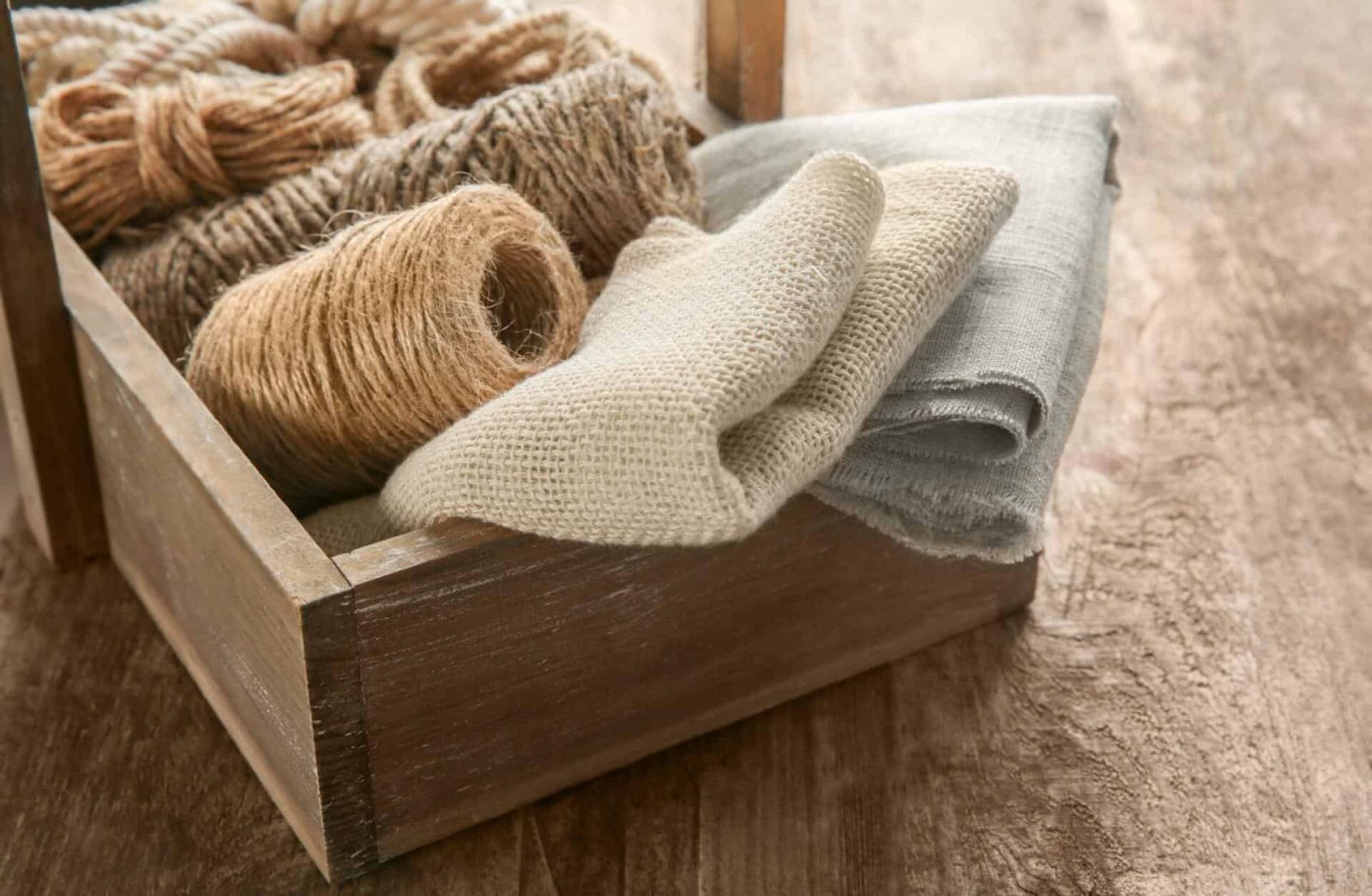
In recent years, the fashion industry has been facing increasing scrutiny due to its negative environmental impact. The production of traditional textiles, particularly those derived from synthetic fibers and conventional cotton, is not only harmful to the environment but also unsustainable in the long term. As consumers become more conscious of the ecological footprint of their fashion choices, the demand for sustainable and eco-friendly materials has soared. One such material that has emerged as a game-changer in the fashion industry is hemp textiles. With a history spanning thousands of years, hemp is now being recognized as one of the most sustainable alternatives to conventional fabrics. This blog will explore why hemp textiles are considered the future of sustainable fashion, highlighting their environmental benefits, versatility, and durability.
The Environmental Benefits of Hemp Textiles
Hemp textiles are gaining popularity for their environmentally friendly attributes. The cultivation of hemp requires far fewer resources compared to traditional crops like cotton, making it a sustainable option for the fashion industry. Hemp is a hardy plant that thrives in diverse soil conditions and can be grown with minimal water and without the use of pesticides. In contrast, cotton farming requires enormous amounts of water and extensive pesticide use, which contributes to environmental degradation and water scarcity.
Hemp is also highly effective at absorbing carbon dioxide from the atmosphere. In fact, hemp has been found to absorb more carbon dioxide per acre than any other commercial crop, making it an essential tool in combating climate change. Furthermore, hemp is biodegradable, meaning that products made from hemp fabrics naturally break down over time, unlike synthetic textiles that persist in landfills for hundreds of years.
Another significant advantage of hemp textiles is the fact that they can be produced with far fewer chemicals than traditional fabrics. For example, hemp requires fewer dyes and toxic chemicals to achieve its finished look. This reduction in harmful chemical use not only benefits the environment but also ensures that hemp textiles are safer for the wearer, particularly for those with sensitive skin.
Hemp Cotton: The Perfect Blend for Sustainable Fashion
One of the key innovations in the world of sustainable textiles is the combination of hemp with cotton, known as hemp cotton. This blend combines the best attributes of both fibers- the durability and strength of hemp with the softness and comfort of cotton. Hemp cotton fabrics offer a unique balance of eco-friendliness and comfort, making them ideal for everyday clothing.
Hemp cotton is not only more sustainable than conventional cotton, but it is also more durable. Hemp fibers are known for their exceptional strength, and when blended with cotton, they create a fabric that is both strong and breathable. Hemp cotton is resistant to wear and tear, which means that garments made from this material have a longer lifespan, reducing the need for frequent replacements. The longer-lasting nature of hemp cotton textiles also helps reduce waste, as it ensures that clothing items remain in use for a longer period.
Additionally, hemp cotton fabrics are naturally moisture-wicking, which means they help regulate body temperature and keep the wearer comfortable in both warm and cool weather. This makes hemp cotton an excellent choice for clothing that can be worn year-round, such as t-shirts, shirts, pants, and jackets.
Hemp Fabric Suppliers: Leading the Way in Sustainable Fashion
As the demand for sustainable fabrics grows, hemp fabric suppliers are playing a pivotal role in making hemp textiles more accessible to consumers and designers. These suppliers provide a range of hemp-based fabrics, from pure hemp textiles to blended materials like hemp cotton, that cater to various fashion needs. By sourcing their hemp from eco-friendly farms and adopting sustainable production practices, these suppliers help minimize the environmental impact of textile manufacturing.
Many hemp fabric suppliers are also dedicated to transparency in their sourcing and production processes. By working directly with farmers and ensuring that their hemp is grown in an environmentally responsible manner, they contribute to the development of a sustainable supply chain. As the demand for eco-friendly materials continues to rise, hemp fabric suppliers are likely to expand their offerings, making hemp textiles a staple in the wardrobes of fashion-conscious consumers worldwide.
The Durability and Versatility of Hemp Textiles
One of the key reasons hemp textiles are becoming a preferred choice for sustainable fashion is their remarkable durability. Hemp fibers are incredibly strong and resistant to wear, which makes them ideal for creating long-lasting garments and accessories. Unlike cotton, which tends to degrade with each wash, hemp becomes softer and more comfortable over time without losing its structural integrity.
Hemp textiles are also versatile and can be used for a wide variety of applications. From casual wear to high-end fashion, hemp fabric can be woven into different textures and finishes, offering designers a broad range of creative possibilities. Hemp is also ideal for making accessories, such as bags, shoes, and hats, as well as home textiles like bedding, curtains, and upholstery.
Moreover, hemp fabrics can be used in a wide array of styles and weights. Whether you’re looking for a lightweight fabric for summer garments or a thicker, more robust material for outerwear, hemp can provide the perfect solution. The fiber’s natural texture gives garments a unique and timeless aesthetic, making hemp textiles a favorite choice for those seeking sustainable fashion without compromising on style.
Hemp Textiles and the Future of Sustainable Fashion
The future of fashion lies in sustainable materials, and hemp textiles are at the forefront of this movement. As the world continues to grapple with the environmental consequences of fast fashion, it is becoming clear that materials like hemp will play a crucial role in reshaping the industry. With its minimal environmental impact, exceptional durability, and versatility, hemp is quickly becoming the fabric of choice for those looking to make more sustainable fashion choices.
As more fashion brands turn to eco-friendly alternatives, hemp textiles are expected to become more mainstream. With growing awareness around environmental issues and the increasing demand for sustainable products, hemp will continue to pave the way for a greener, more sustainable fashion industry. Moreover, as hemp fabric suppliers scale their operations, the availability of hemp-based textiles will expand, making it easier for consumers to access these eco-friendly materials.
In addition to reducing environmental harm, hemp textiles also offer economic benefits. Hemp farming is less resource-intensive and can help revitalize soil, making it a viable option for sustainable agriculture. As more consumers choose hemp-based products, the demand for hemp farming is expected to increase, creating new economic opportunities for farmers and supporting the global shift toward more sustainable agriculture.
Final Thoughts
As the fashion industry continues to evolve, hemp textiles are proving to be the future of sustainable fashion. Their environmental benefits, versatility, and durability make them the perfect alternative to traditional fabrics. By choosing hemp textiles, consumers can reduce their environmental impact while enjoying high-quality, stylish, and long-lasting garments. Whether you’re interested in exploring pure hemp fabrics or experimenting with hemp cotton, there is no doubt that hemp-based materials are an essential part of the sustainable fashion movement.