

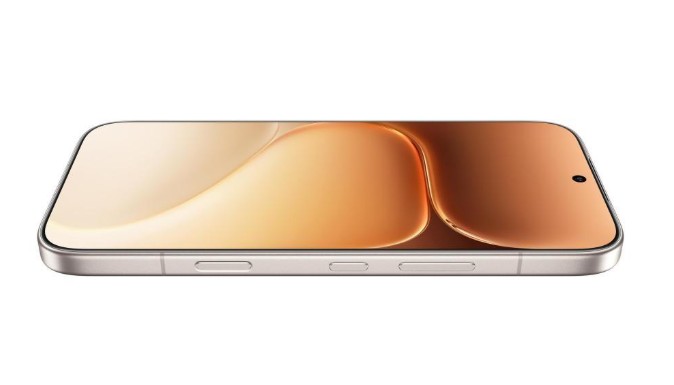
Choosing a new smartphone feels confusing when every brand claims to be the fastest, brightest, and smartest. You scroll through endless specs and still wonder which model actually suits your daily needs. To cut through the noise, focus on a few core essentials that directly affect real‑world use: performance, camera, battery, display, design, software, and long‑term value. When you understand how each element impacts gaming, photos, social media, and work, you can ignore marketing hype. This guide breaks down those essentials in simple terms, so you can buy with confidence and avoid expensive disappointment.
Key Smartphone Features You Must Evaluate
Performance, Processor, and RAM
A phone’s processor and RAM decide how fast it feels every day. The processor (SoC) handles tasks like gaming, editing video, or switching apps. RAM helps keep apps open in the background without slowdowns; 8GB is a sweet spot for most users, while heavy gamers or creators may prefer 12GB or more. Pay attention to benchmarks and real-world reviews instead of just clock speeds. A well-balanced chip and RAM combo will keep your phone responsive for years, not just the first few months, and pairing this with timely promotions such as honor 600 pro deals can also improve overall value.
Camera Quality Beyond Megapixels
Megapixels alone do not guarantee great photos. Image processing, sensor size, lens quality, and software features matter more. Look for larger sensors, optical image stabilization (OIS), and reliable autofocus for sharper shots, especially in low light. Check how the main, ultra‑wide, and telephoto lenses perform, not just their numbers on paper. Portrait mode, night mode, and HDR performance reveal a phone’s real camera strength. Compare sample photos and videos from trusted reviews instead of relying on marketing claims. A phone that consistently delivers clear photos, natural skin tones, and stable video will serve you better than one with only high megapixel counts.
Battery Life and Charging Speed
Good performance means little if your phone dies by afternoon. Check battery capacity, usually measured in mAh, but do not stop there. Look for efficient processors, adaptive refresh rates, and proven screen‑on‑time in reviews. These details reveal how the phone behaves in real life. Fast charging also matters when you need quick top‑ups; 30W and above feels noticeably faster, but always confirm if the charger comes in the box. Consider wireless charging for convenience on desks or nightstands. Balanced battery life should comfortably last a full busy day of social media, streaming, navigation, and calls without constant anxiety.
Display, Design, and Build Quality Matter
Screen Type, Refresh Rate, and Resolution
Your display shapes almost every interaction with your phone. OLED or AMOLED panels usually deliver deeper blacks, better contrast, and more vibrant colors than standard LCD screens. For smoother scrolling and gaming, check refresh rate; 90Hz or 120Hz makes animations look fluid, but adaptive modes help save battery. Resolution also plays a role: Full HD+ is enough for most users, while higher resolutions can appear sharper on large screens. Brightness levels matter outdoors, so review peak brightness numbers and real‑world visibility in sunlight. A good display should look clear, comfortable, and responsive, whether you stream movies or read ebooks.
Durability, Materials, and Ergonomics
How a phone feels in your hand matters more than you might expect. Glass backs look premium but feel slippery and may crack; plastic or polycarbonate can be lighter and more durable. Metal frames add strength and a solid grip. Check IP rating for dust and water resistance, especially if you often use your phone outdoors or near water. Gorilla Glass or similar protection helps reduce scratches. Weight, thickness, and curved or flat edges influence comfort during long use. Test one‑handed reach and button placement when possible. A well‑designed phone should feel secure, balanced, and easy to hold.
Software, Connectivity, and Long-Term Value
Operating System and Updates
Software can make a powerful phone feel either polished or frustrating. Look closely at the operating system version and the custom skin each brand uses. Some interfaces stay close to the stock operating system, while others add extra features and apps. Check how many years of major OS updates and security patches the manufacturer promises; three to five years of support is ideal for long‑term value. Clean, intuitive software reduces clutter and improves performance over time. Pay attention to privacy controls, digital wellbeing tools, and ease of customization. A phone with reliable updates stays safer, smoother, and more enjoyable.
5G, Storage, and Future-Proof Features
Future‑proofing helps your phone stay relevant longer. 5G support now comes standard on many mid‑range and flagship phones, offering faster speeds where networks are available. Make sure the device supports the main bands used in your region. Storage also matters: 128GB suits most people, while heavy photographers or gamers may need 256GB or more. Check for expandable storage if you prefer using microSD cards. Look for Wi‑Fi 6, NFC for contactless payments, and Bluetooth versions that support modern accessories. Stereo speakers, USB‑C, and eSIM support can also extend usefulness. These features protect your investment as technology continues evolving.
Conclusion
A smart smartphone purchase comes from matching features with your real habits, not chasing the latest trend. Start with performance, camera, and battery life, because these affect your day from morning alarms to late‑night streaming. Then judge the display, design, and build quality, since comfort and durability shape long‑term satisfaction. Finally, evaluate software support, connectivity, and storage to secure lasting value. Always compare a few shortlisted models, read independent reviews, and avoid rushed decisions. When you understand these essentials, you can choose a phone that feels fast, takes great photos, and stays reliable for years.