

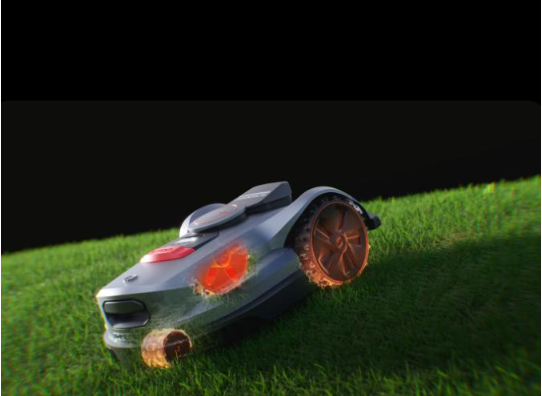
Robotic and manual mowers tackle the same job in very different ways, and the choice you make will shape how you care for your lawn. Homeowners now weigh automation, cost, and control before buying. Robotic mowers offer set-and-forget convenience and frequent light trims. Manual options, including gas, corded, and battery walk-behind models, give you direct control and power. Each type shines in different yard sizes, layouts, and budgets. Understanding how they operate, what they cost over time, and how they handle real-world conditions helps you avoid frustration and wasted money. This guide compares key differences so you can match the mower to your lawn and routine.
What are the main differences between robotic and manual mowers?
Operation style: automated vs hands-on mowing
Robotic mowers work like lawn Roombas. You set a schedule, define the mowing area with a boundary wire or virtual map, and let the robot handle the rest. Sensors help it avoid obstacles, adjust direction, and return to its charging base when the battery runs low. It cuts often, taking off tiny clippings each run. Manual mowers require your full involvement. You push or drive the mower, steer around beds, and decide where and how to cut. That includes traditional gas mowers, battery walk-behind models, and even reel mowers. This hands-on style offers control and immediate results, but it also demands time, effort, and attention every session.
Cutting performance and lawn coverage comparison
Robotic mowers focus on frequent, light cuts rather than deep, occasional mowing. Their small blades and lower cutting heights suit regular trimming, which can improve lawn density and reduce visible clippings. Coverage depends on battery capacity, navigation system, and how well you set the boundaries. They work best on relatively even lawns with short, maintained grass. Manual mowers usually offer more cutting power and adjustable deck heights, making them better at tackling overgrown or coarse grass in a single pass. Wider cutting decks cover more ground quickly. However, they rely on the user’s pattern and consistency, so coverage can vary from operator to operator.
Time, effort, and user involvement required
Robotic mowers save you time by doing the work autonomously. After initial setup and occasional adjustments, they run on a schedule, even when you are away. You mainly handle blade changes, cleaning, and seasonal checks. However, setup can take effort, especially installing boundary wires and fine-tuning zones. Manual mowers demand regular time blocks for mowing sessions. You walk behind or ride, manage fuel or batteries, and handle clippings if you bag. Physical effort increases on slopes, uneven ground, or in hot weather. You also need to plan around noise and daylight. With manual mowing, every cut requires your presence and energy from start to finish.
How do robotic and manual mowers compare in cost and efficiency?
Upfront cost vs long-term value
Robotic mowers usually cost more upfront than most basic manual mowers. The price reflects onboard sensors, navigation systems, and charging stations. Premium models with GPS, app control, and advanced security features can cost as much as a quality riding mower. However, they may deliver value over time by reducing labor, fuel, and outsourced mowing costs. Manual mowers range widely in price, from low-cost reel and basic push mowers to mid-range battery models and high-end self-propelled or riding units. While the initial outlay can be lower, you should factor in fuel, oil, batteries, repairs, and your own time when judging long-term value and overall ownership cost.
Energy use, maintenance needs, and operating costs
Robotic mowers run on rechargeable batteries and draw power from a charging station. Their energy use is modest, especially for small to medium lawns, and electricity costs remain relatively low. Maintenance centers on blade replacements, cleaning, firmware updates, and occasional battery changes. Manual mowers vary. Gas models burn fuel, require oil changes, spark plug replacements, filters, and winterization, all of which add recurring costs. Battery-powered push mowers use electricity, but replacement batteries can be expensive. Reel mowers have the lowest operating costs, needing only sharpening and lubrication. Overall, well-managed robotic and electric manual mowers typically beat gas units on long-term operating efficiency.
Efficiency in different lawn sizes and conditions
Robotic mowers shine on small to medium lawns with simple layouts and short, regularly maintained grass. They efficiently maintain a consistent height by mowing often, which suits dense turf in residential neighborhoods. Larger robots can handle bigger yards, but run time and recharge cycles affect total coverage. Complex shapes, many obstacles, and steep slopes can reduce efficiency. Manual mowers adapt more easily to varied conditions. Powerful gas or high-capacity battery models handle tall grass, rough patches, and thick growth in fewer passes. Wide decks and riding mowers excel on large properties. However, their efficiency depends heavily on the operator’s mowing pattern, pace, and technique.
Which mower type is best for your needs?
Choosing based on lawn size, layout, and terrain
Small, flat, and fairly open lawns are ideal for robotic mowers. The robot can move freely, avoid a few simple obstacles, and keep the grass neat without much intervention. If your yard includes narrow passages, islands of planting beds, or multiple zones, choose a robot that supports multi-area programming and precise mapping. For uneven terrain, steep slopes, or rough ground, many homeowners still prefer manual mowers, especially self-propelled or riding types with strong traction. Very large properties often favor riding mowers or lawn tractors for speed. If your lawn grows fast, becomes overgrown, or includes weeds and thick patches, a robust manual mower offers stronger cutting performance.
Lifestyle factors and convenience preferences
Your schedule and tolerance for yard work heavily influence the best choice. Robotic mowers suit people who prefer low-effort maintenance, travel often, or dislike manual mowing in heat or humidity. They quietly maintain lawns while you focus on other tasks. App control and alerts add convenience for tech-friendly users. Manual mowers suit those who enjoy outdoor work, want direct control over patterns and height, or prefer simple machines. They also make sense where security, pets, or children make unattended robots less appealing. If noise restrictions matter, both robotic and battery push mowers offer quiet operation, while gas models may conflict with early-morning or evening mowing preferences.
Conclusion
Robotic and manual mowers both keep grass under control, but they do it in very different ways. Robots offer automation, quiet operation, and steady maintenance, making them great for busy owners with tidy, moderate lawns. Manual mowers deliver raw cutting power, flexibility on tough terrain, and lower upfront cost, especially for those willing to invest time and effort. To choose wisely, weigh lawn size, layout, slopes, and growth habits along with budget, energy costs, and how much you like—or dislike—mowing. When you match the mower type to your yard and lifestyle, you gain a healthier Sunseeker elite lawn, less frustration, and better value over the long term.