

Hearing a diagnosis of bone marrow failure can be incredibly overwhelming. When you or a loved one are navigating a complex medical condition, having clear, straightforward information is your best tool.
If you’ve been researching treatment options, you’ve likely come across stem cell therapy as a potential path forward. Let’s break down exactly what bone marrow failure is, how stem cells work, and why this treatment is offering new hope to patients.
What is Bone Marrow Failure?
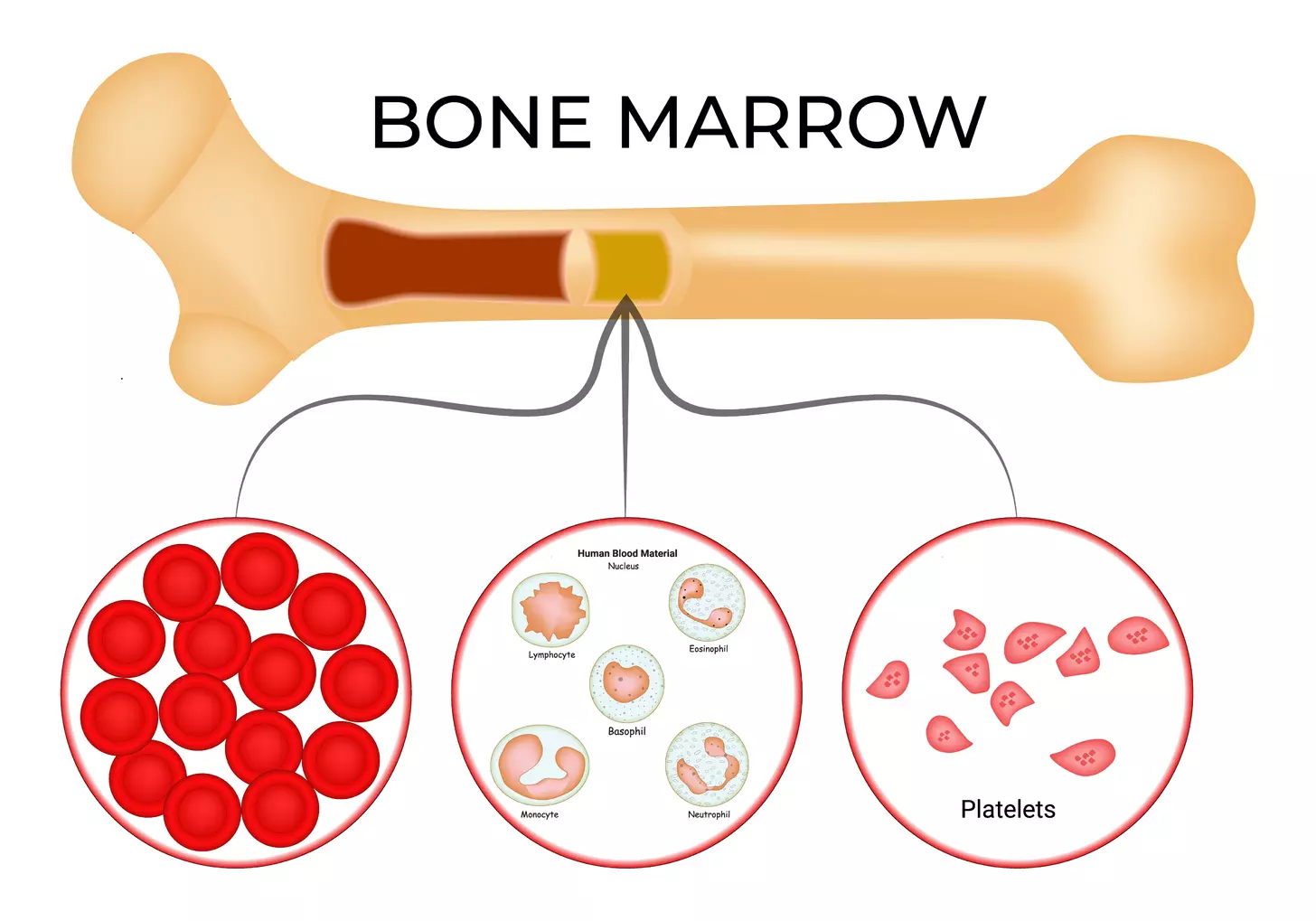
To understand the condition, it helps to know how the body normally works. Think of your bone marrow the soft, spongy tissue inside your larger bones—as your body’s personal blood factory. Its primary job is to produce hematopoietic (blood-forming) stem cells.
These special stem cells are the “blank slates” that eventually grow into three essential types of blood cells:
Red blood cells: Carry oxygen throughout your body.
White blood cells: Fight off infections and diseases.
Platelets: Help your blood clot to prevent excessive bleeding.
Bone marrow failure happens when this factory slows down or stops working entirely. The marrow fails to produce enough healthy blood cells to keep up with the body’s daily demands. This can be caused by inherited genetic conditions or acquired over time due to autoimmune diseases, certain viruses, or environmental exposures.
How Can Stem Cells Help?
Because the core issue lies in the bone marrow’s inability to produce healthy stem cells, the most effective, long-term solution is often to replace the broken factory with a working one. This is where a stem cell transplant (also known as a bone marrow transplant) comes in.
1. Conditioning: The patient receives targeted chemotherapy or radiation to clear out the damaged bone marrow and make room for the new cells.
2. Infusion: The healthy stem cells (either from a carefully matched donor or, in some cases, the patient’s own harvested cells) are introduced into the bloodstream through an IV.
3. Engraftment: The new stem cells naturally travel to the bone marrow, settle in, and begin producing healthy red blood cells, white blood cells, and platelets.
For many patients, accessing specialized care and comprehensive resources about Stem Cell Bone marrow failure treatments is the most critical step toward recovery. Modern advancements have made these procedures safer and more effective than ever before.
Finding the Right Care Team
A stem cell transplant is a complex, highly specialized procedure that requires a dedicated multidisciplinary team. From finding the right donor match to managing the critical post-transplant recovery period, you need an experienced medical staff guiding you every step of the way.
At Liv Hospital, patients receive world-class care driven by the latest scientific advancements in hematology and stem cell transplantation. Having an expert team not only ensures the highest clinical standards but also provides the emotional and logistical support that patients and their families need during a challenging time.
Disclaimer: This article is for informational purposes only and should not replace professional medical advice. Always consult with a qualified healthcare provider to discuss the best treatment options for your specific condition.