

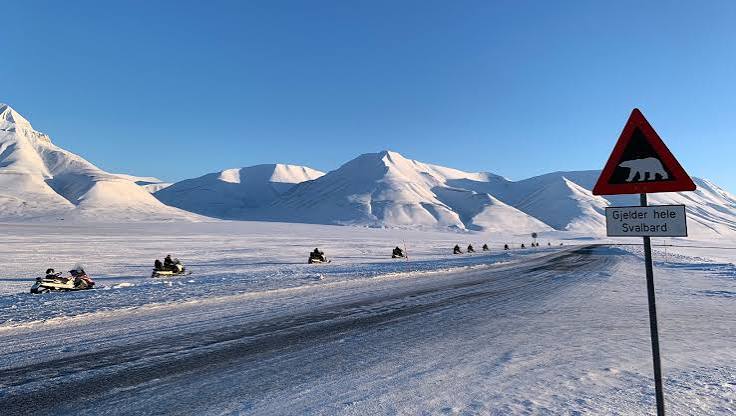
Svalbard is a place where the Arctic air, rich wildlife, and historic mountain towns come together. The region has received a responsible tourism certification, which confirms its commitment to preserving nature and promoting eco-friendly practices. For Indian workers, Svalbard can be both a source of income and an opportunity to experience life in a safe Arctic environment. It’s convenient to start your job search through specialized resources, such as Layboard.in, where current vacancies are posted.
What Should You Know About Housing, Job Openings, and Working Conditions Here?
The archipelago is home to about 3,000 people, 2,000 of whom live in Longyearbyen, the administrative center and largest settlement. Despite its small size, there are a surprising number of cafes and restaurants, creating regular vacancies in Svalbard for service industry workers.
It is vital to find a job before moving, as housing is usually provided by employers along with the contract. Employment opportunities span various fields:
- fishing;
- oil and gas production;
- construction and manufacturing;
- general laborers.
Experience is not always required. This makes the region attractive to job seekers who are ready to try their hand at new fields.
For a long time, the coal industry was the main economic sector on Svalbard, but today tourism is becoming increasingly important. Longyearbyen is home to several hotels, cafes, and restaurants, which create additional jobs. The archipelago is governed by special Norwegian laws and is considered a tax-free zone, making life here more affordable. Wages are determined by collective bargaining agreements, and certain provisions of these agreements may apply to all workers, ensuring protection and stability in working conditions.
How is Svalbard Different from Northern Norway?
Northern Norway has a well-developed transportation network. Numerous airports, roads, and ferries connect the towns, making travel convenient. It’s easy to find housing and restaurants here, and prices vary by season, especially during the Northern Lights. This is a region with familiar infrastructure, where employment opportunities are on par with the availability of services and standard living conditions.
Svalbard, however, is located much further north and operates by different rules. There are no roads between settlements, and travel is possible only by boat, snowmobile, or dog sled. Housing is most often provided by employers along with the job, and the cost of living is higher due to the remoteness. Workers in the service sector, seasonal jobs, and tourism are in demand here, and life itself requires adaptation to Arctic conditions.
Svalbard has a special tax system that differs from that of mainland Norway. Tax rates are lower here, and there are two tax regimes. You can be recognized as a full-fledged resident subject to the standard tax rate or have limited tax obligations.
Aspects to Check Before Hiring
Svalbard attracts people with its liberal visa policy, which allows residents to live and work there regardless of their nationality, but the reality can be much more complicated. Getting to the archipelago is no easy task. Flights are expensive and almost always involve a stopover in mainland Norway. An additional hurdle is the need to obtain a Norwegian identification number, without which it is impossible to sign employment or banking contracts.
Even after all the paperwork is complete, there are still logistical details to sort out. Housing is most often provided by employers, and the labor inspectorate regularly checks its condition to ensure it meets safety requirements. This means that living conditions depend on the company, so be sure to clarify all the details of your future contract in advance.
Life on Spitsbergen is heavily influenced by the season. From November through February, the polar night sets in – bringing complete darkness and temperatures as low as -30°C, and snowmobiles serve as the primary mode of transportation. In the spring, the sun returns, the days grow longer, and residents actively use skis and snowmobiles. From April through September is the midnight sun period, when it is light around the clock, the snow melts, and the tourist season begins. In the fall, from September through November, daylight hours shorten, the first frosts and snow appear, and life gradually shifts to a winter rhythm.
Svalbard is located 1,000 kilometers from mainland Norway and has a unique employment landscape. Most job opportunities are connected with tourism, services and scientific research. This can create opportunities for candidates who are ready for seasonal work, remote conditions and strict contract requirements. The infrastructure here is largely owned by companies, so housing is most often provided as part of the employment contract. This makes the region attractive to those who are willing to adapt and build a career in the unique Arctic environment.
FAQ
What kind of community is this?
A third of the residents are foreigners, including Filipinos, Thais, Europeans, South Africans, and even Indian candidates. The harsh conditions foster a culture of mutual support, so nationality doesn’t matter, and the willingness to work and support one another is what counts.
What about studying in Spitsbergen?
The UNIS university center in Spitsbergen conducts its programs in English. It specializes in Arctic research in biology, geology, geophysics, and technology. The institution is not an independent university but accepts students who are already enrolled at other universities in Norway or abroad.
What are the benefits for Indians?
Svalbard is of interest to Indian citizens, as simplified procedures apply there. Signatories to the Spitsbergen Treaty may live and work there without obtaining a separate permit or residence permit. However, having sufficient financial resources and a job lined up in advance remains a key requirement.
Is it realistic to earn good money here?
A seasonal worker in Longyearbyen with no experience earns about €2,300 per month after taxes. The average salary in the city is €4,100-€4,200, and skilled professionals can earn up to €56,000-€67,000 per year.