

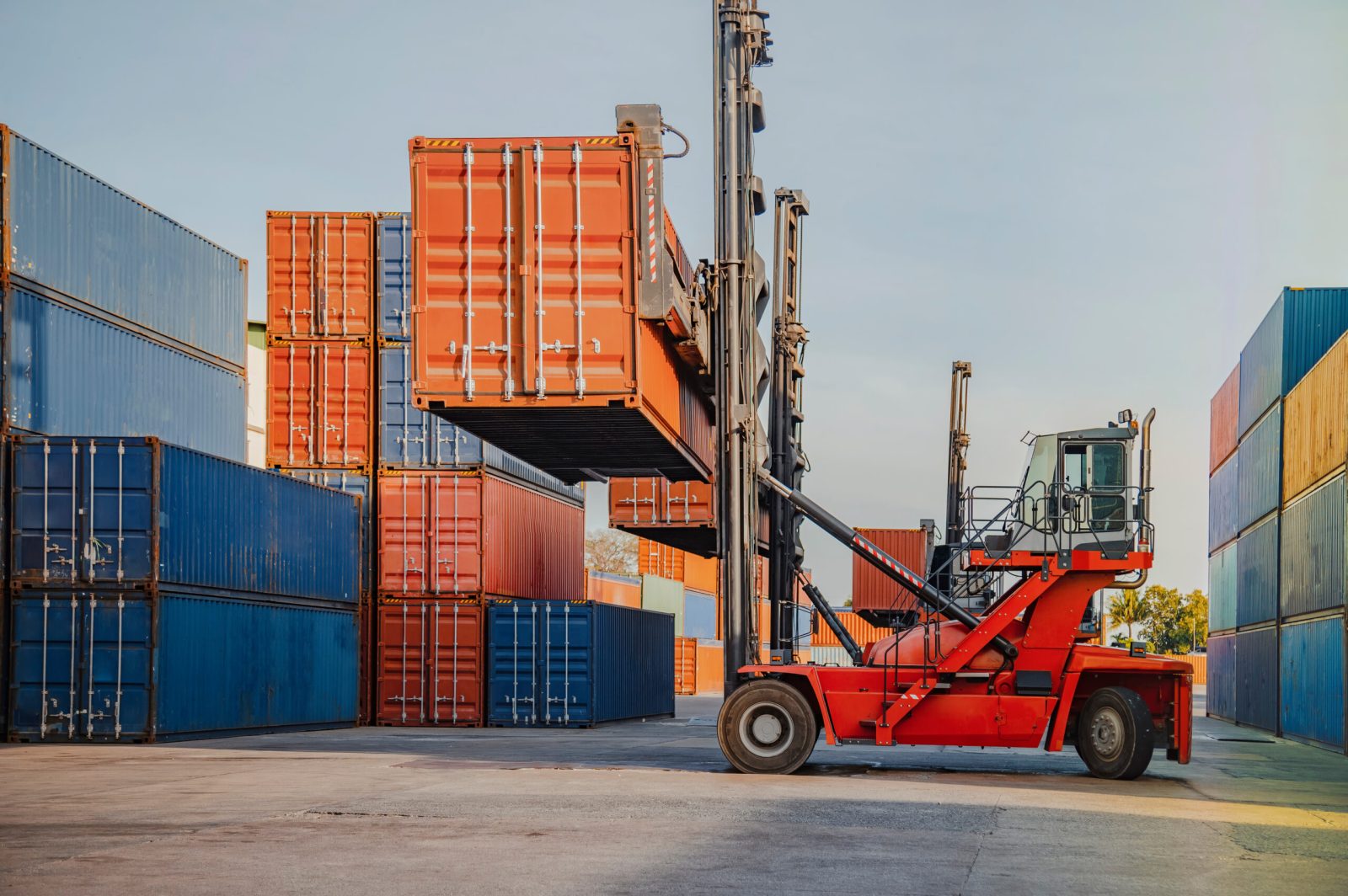
Forklifts are built to work hard, but they are not built to ignore physics. In busy warehouses, yards, and manufacturing sites, it is easy for load limits to become a “guideline” rather than a hard boundary—especially when schedules are tight and operators are under pressure to move more in less time. The problem is that overloading does not just create an immediate safety risk. It quietly shortens the life of the machine in ways many businesses do not fully appreciate until repair bills start stacking up.
A forklift’s rated capacity is not an arbitrary number. It reflects what the truck can handle without putting excessive strain on its frame, mast, hydraulics, tyres, powertrain, and braking systems. Push past that rating too often, and wear accelerates across nearly every major component. The result is a machine that becomes less reliable, more expensive to maintain, and more likely to fail when you need it most.
The Hidden Mechanical Cost of Overloading
When a forklift carries more than it was designed for, the extra weight has to go somewhere. It does not disappear into the load backrest or spread evenly without consequence. Instead, it transfers stress into the machine’s key structural and moving parts.
Mast and carriage fatigue
The mast assembly takes a significant share of the punishment. Repeated overloads can cause accelerated wear on chains, rollers, bearings, and guide rails. Even if there is no dramatic failure, constant strain can lead to subtle deformation over time. That shows up later as rough lifting, uneven travel, and reduced precision when placing loads.
Hydraulic system strain
Hydraulic systems are another weak point under overload conditions. Heavier loads demand greater pressure to lift and stabilise, forcing pumps, cylinders, seals, and hoses to work harder than intended. This can lead to fluid leaks, overheating, and a gradual loss of lifting performance. Operators may notice the truck becoming slower or less responsive long before a complete breakdown occurs.
Tyres, axles, and steering wear
Then there is the load-bearing hardware lower down. Overloading increases stress on tyres, wheels, axles, and steering components. Tyres wear unevenly, steering feels less controlled, and suspension-related parts absorb impacts they were never meant to handle on a regular basis. In practical terms, that means more frequent replacement cycles and less predictable handling on the floor.
Understanding these compounding effects is central to good asset management. If you are reviewing best practices for extending machinery lifespan, load discipline belongs near the top of the list. Maintenance matters, of course, but maintenance alone cannot undo repeated structural abuse.
Why Overloading Causes Faster Ageing Even Without a Breakdown
One of the biggest misconceptions around forklift misuse is that if the truck still runs, the damage cannot be that serious. In reality, overloading often reduces lifespan through cumulative degradation rather than sudden failure.
Every overload shortens the machine’s fatigue life
Mechanical systems have a fatigue threshold. Components can survive stress within a design envelope for years, but exceed that envelope often enough and the expected service life drops sharply. It is the industrial equivalent of bending a paperclip over and over again. It may not snap on the first attempt, but each repetition brings failure closer.
Forklifts experience this especially in:
- mast welds and structural joints
- lift chains and chain anchors
- hydraulic seals and hoses
- wheel bearings and axle assemblies
- brake components exposed to heavier stopping forces
What makes this costly is the knock-on effect. A truck that should have delivered ten reliable years may begin needing major intervention in six or seven. That changes depreciation, maintenance scheduling, and replacement planning all at once.
Performance Suffers Before Failure Becomes Obvious
Operational lifespan is not only about how long a forklift physically exists. It is also about how long it remains efficient, safe, and economical to run. Overloading chips away at that useful life long before the machine is considered “done.”
Reduced stability and handling
A forklift carrying excessive weight becomes less stable, particularly during turning, braking, or lifting at height. Even if tip-overs are avoided, the machine often feels sluggish and less predictable. Operators compensate by moving more slowly, taking wider turns, and using extra caution during stacking. That adds time to every cycle.
More downtime and reactive maintenance
As overload-related wear builds up, maintenance becomes increasingly reactive. Instead of routine servicing, businesses end up dealing with leaking hydraulics, premature tyre changes, steering issues, or brake wear at inconvenient moments. A forklift out of service does not just incur a repair cost; it disrupts labour planning, delivery schedules, and overall throughput.
Lower fuel or battery efficiency
There is also an energy penalty. Internal combustion forklifts burn more fuel when routinely pushed beyond capacity. Electric trucks drain batteries faster under heavy strain, which can reduce productivity between charges and potentially affect long-term battery health. Over time, that is another hidden operating cost tied directly to misuse.
The Business Case for Respecting Load Capacity
For many sites, the temptation to overload comes from efficiency pressures. One trip instead of two can seem like a sensible shortcut. But that calculation rarely holds up when you look at the full picture.
A forklift that is overloaded regularly will typically cost more through:
Higher maintenance spend
Repairs arrive sooner and more often, especially in hydraulics, tyres, brakes, and mast components.
Shorter replacement cycles
The machine reaches the point of diminishing returns earlier, forcing capital expenditure ahead of schedule.
Greater safety exposure
Overloading increases the likelihood of dropped loads, instability, and operator error, all of which raise the risk of injury and compliance issues.
In other words, the “time saved” by overloading is often paid back many times over in breakdowns, slower operations, and avoidable risk.
How to Prevent Overloading from Becoming Normal Practice
The most effective fix is cultural as much as technical. Operators need more than a data plate on the truck; they need clear expectations and support from management.
Train for real-world decision making
Training should go beyond basic capacity limits and cover load centres, attachment effects, uneven loads, and how lifting height changes stability. Operators are far more likely to follow limits when they understand the mechanical reasons behind them.
Match the truck to the task
If teams regularly feel pressure to exceed rated capacity, the issue may be fleet specification rather than operator behaviour. That is a sign the site needs a different truck, a revised workflow, or better load planning.
Monitor wear patterns
Repeated tyre failures, hydraulic leaks, or unusual mast wear can indicate overloading even when incident reports are absent. Maintenance teams often spot the evidence before managers do.
A Longer-Lasting Forklift Starts With Smarter Loading
Forklift lifespan is not determined by age alone. It is shaped every day by how the truck is used. Overloading may seem like a minor shortcut in the moment, but it steadily erodes the reliability, safety, and economic value of the machine.
If you want forklifts to last, capacity limits need to be treated as a core operating rule, not a suggestion. Respect the rating, train people properly, and pay attention to the warning signs. A forklift that is used within its design limits will not just last longer—it will perform better throughout the years you depend on it.