

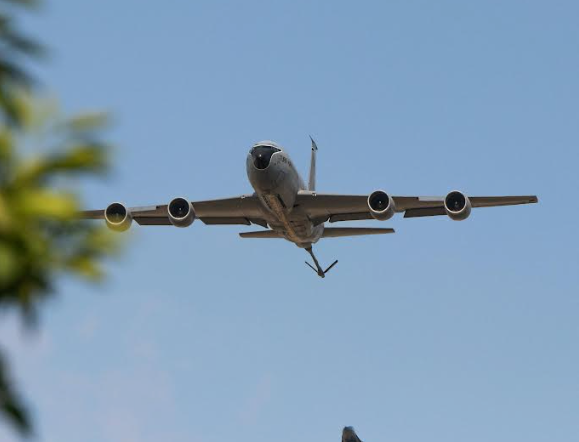
Powerful engines are at the core of modern military equipment, from fighter jets and naval vessels to armored vehicles and heavy transport systems. These engines are designed to deliver extreme performance under demanding conditions, often operating in environments where failure is not an option. Behind their impressive capabilities lies a complex network of resources that support their development, operation, and maintenance. Understanding these resources provides a clearer perspective on the level of coordination, technology, and investment that goes into powering military systems across the globe.
High-Performance Materials for Durability and Strength
Military engines rely heavily on advanced materials that can withstand intense pressure, heat, and mechanical stress. Unlike consumer-grade engines, these systems are expected to operate in extreme environments such as deserts, oceans, and high altitudes. Materials like titanium alloys, heat-resistant composites, and specialized steel formulations are commonly used to ensure durability and longevity.
These materials must balance strength with weight efficiency. In aviation, for example, reducing weight without compromising structural integrity is essential for achieving speed and maneuverability. Similarly, armored vehicles require materials that not only endure internal engine strain but also external impacts. Continuous research and development in material science play a vital role in improving performance and extending the lifespan of these engines.
Advanced Fuel Systems and Energy Efficiency
Fuel is one of the most critical resources for military engines, and it goes far beyond simply supplying energy. Military operations often demand engines that can run on a range of fuel types while maintaining efficiency and reliability. This flexibility allows equipment to function in diverse environments where specific fuel types may not always be available.
Efficiency is another major consideration. While military systems prioritize power, optimizing fuel consumption remains important for extending operational range and reducing logistical strain. Advanced fuel injection systems, combustion technology, and hybrid innovations are being explored to balance these needs. In large-scale operations, efficient fuel use can significantly impact mission success by reducing the need for frequent resupply.
Precision Engineering and Manufacturing Capabilities
The production of military engines requires highly specialized manufacturing processes and expertise. Precision engineering is essential to ensure that every component fits perfectly and operates seamlessly with the rest of the system. Even the smallest deviation can affect performance or lead to mechanical failure.
Manufacturing facilities that produce these engines are equipped with advanced machinery such as CNC systems, robotic assembly lines, and additive manufacturing tools. These technologies allow for the creation of intricate parts with high accuracy. Components are often tested multiple times during the production process to ensure they meet strict performance and safety standards.
Critical support elements also play a role in maintaining system integrity. For instance, using durable Barry Mounts within engine assemblies can help stabilize components, reduce vibration, and extend the life of interconnected systems. These seemingly small details contribute significantly to the overall reliability of military equipment.
Maintenance Infrastructure and Skilled Workforce
Operating powerful engines is only part of the equation. Maintaining them over time requires a robust support system that includes trained personnel, specialized tools, and well-organized facilities. Military engineers and technicians undergo extensive training to understand the complexities of these engines and to perform repairs under various conditions.
Maintenance infrastructure includes dedicated service hubs, mobile repair units, and diagnostic systems capable of identifying potential issues before they escalate. Preventive maintenance is a key strategy, with regular inspections and part replacements ensuring that engines remain in optimal condition. This proactive approach reduces the likelihood of failure during critical missions.
The human element is just as important as the technology. Skilled technicians bring experience and problem-solving abilities that cannot be replaced by machines alone. Their expertise ensures that even the most complex systems are kept operational when they are needed most.
Supply Chain and Logistics Coordination
A reliable supply chain is essential for supporting military engines. From raw materials to replacement parts, every component must be available when required. This involves a global network of suppliers, manufacturers, and transportation systems working together to ensure consistent delivery.
Logistics coordination becomes especially important during active operations. Engines may require spare parts, fuel, or technical support in remote locations. Efficient logistics systems ensure that these resources reach their destination without delay. Advanced tracking systems and inventory management tools help maintain visibility across the supply chain, reducing the risk of shortages or disruptions.
In addition to physical resources, logistical planning includes strategic considerations. Military organizations must anticipate future needs, stockpile essential components, and develop contingency plans to handle unexpected challenges. This level of preparation ensures that powerful engines remain functional regardless of external conditions.
Continuous Innovation and Research Investment
The demands placed on military engines continue to evolve, driven by advancements in technology and changing operational requirements. Continuous investment in research and development is essential to keep pace with these changes. Innovations in propulsion systems, alternative fuels, and digital monitoring tools are shaping the future of military engines.
Research efforts often focus on improving efficiency, reducing environmental impact, and enhancing overall performance. Collaboration between government agencies, private companies, and research institutions plays a key role in driving these advancements. This constant pursuit of improvement ensures that military equipment remains effective and competitive in an increasingly complex global landscape.
Conclusion
Powerful engines in military equipment depend on a wide range of resources that extend far beyond the machinery itself. From advanced materials and fuel systems to precision engineering, maintenance infrastructure, and global logistics, each element contributes to the overall performance and reliability of these systems. Continuous innovation and skilled human expertise further reinforce their effectiveness. By understanding the resources required to support these engines, it becomes clear that their strength lies not only in raw power but also in the intricate systems that sustain them.