


When an employee has slow connectivity, dropped calls, security issues, or delays when using cloud applications, managing a growing network may become quite challenging. With smart devices and bandwidth-heavy tools, and organizations moving toward hybrid work, traditional networking equipment can be overwhelmed by operational requirements.
This means that organizations require infrastructure that enables effective communication, seamless data migration, and secure access to information, all while avoiding unnecessary complexity. It is here that modern campus switching solutions come into play.
They assist businesses to keep a steady performance, and support the scalability, device management, and network visibility from a centralized setting. Furthermore, advanced switching capabilities boost efficiency while avoiding the need for organizations to redesign their infrastructure.
This article discusses how campus switches can help with today’s network infrastructure and why they are still critical for business continuity.
- Establish A Solid Basis For Enterprise Connectivity
Stable communication between employees, devices, servers, and cloud platforms is crucial for modern businesses. To meet this need, the campus switches help in efficiently directing traffic across departments, workstations, and connected systems. This helps to avoid interruptions and ensure consistent network performance for organizations.
Furthermore, today’s switching solutions include support for Layer 2 and Layer 3, high-speed uplinks, and scalable port configurations. These features enable businesses to handle growing amounts of traffic while maintaining network efficiency.
In addition, centralized management makes administration easier, and IT teams can have better control of their operations throughout the infrastructure.
- Make Networks More Scalable Without Significant Disruptions
Scaling up the network infrastructure to accommodate the increasing number of users, devices, and applications is crucial as businesses expand. But a network with older systems that are not flexible makes scaling a challenge. Campus switching solution enables organizations to grow their campus networks in a more efficient and less disruptive manner.
For instance, today’s switches come in a variety of port configurations, with uplink capability and bandwidth that can accommodate future expansion. This means that businesses can install new departments, wireless access points, surveillance systems, and communication devices without having to redesign the entire network architecture.
Besides, scalable switching environments minimize infrastructure restrictions in the long run. This enables businesses to flexibly meet changing business needs and data volumes.
- Strengthen Security Across Connected Environments
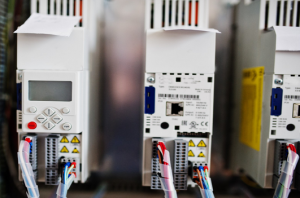
Organizations with sensitive data and connected endpoints have a major concern regarding network security. Cyber threats are constantly changing, and companies must be better secured from access and network protection. Campus switches offer enhanced security features, such as advanced traffic management, segmentation, and authentication.
For example, managed switching solutions empower IT teams to divide network traffic between departments, guest systems, and critical applications. This means that organizations have enhanced visibility and control of data flows within the network.
Additionally, advanced features such as secure access management and centralized policy enforcement help reduce vulnerabilities. These features are particularly beneficial in today’s business environment, where the presence of multiple devices enhances network vulnerabilities.
- Support High-Speed Data Transfer And Application Performance
Cloud platforms, video conferencing, file sharing, and real-time collaboration tools are the lifeline of modern workplaces. Hence, it becomes important to have a network infrastructure that enables quick and reliable data transfer within the organization.
Campus switches help achieve this performance through their ability to support higher throughput and better traffic prioritization. Many modern switching solutions will now include high-speed uplinks, which will assist organizations in managing their bandwidth requirements more effectively.
This means that users will not have to wait as long when using applications or moving large files around. In addition, advanced traffic management features help to alleviate traffic congestion during peak hours. This guarantees that important company applications operate in a stable fashion even when several systems are working at the same time.
- Simplify Device Connectivity Through PoE Support
Businesses now rely on connected devices, including wireless access points, IP phones, and surveillance systems. However, powering these devices separately often increases installation complexity and infrastructure costs. Campus switches with Power over Ethernet support simplify this process significantly.
By delivering both data and power through a single Ethernet cable, PoE-enabled switches reduce the need for additional electrical infrastructure. Consequently, businesses can deploy devices more efficiently while maintaining organized network environments.
Additionally, PoE support helps organizations expand communication and security systems faster. This flexibility becomes especially important for offices, educational institutions, healthcare facilities, and commercial buildings.
- Improve Network Reliability And Operational Continuity
Downtime can disrupt communication, reduce productivity, and negatively affect business operations. Therefore, organizations require infrastructure that supports continuous performance and operational stability. Modern campus switches help address this need through redundancy features and resilient network design.
For example, some switching environments support redundant power supplies and centralized monitoring. As a result, businesses can maintain connectivity even when hardware issues occur. Additionally, improved monitoring capabilities help IT teams troubleshoot network events more efficiently.
These capabilities help organizations minimize disruptions while maintaining critical operations. Consequently, businesses gain stronger reliability, better uptime, and improved confidence in long-term network planning.
Final Thoughts
Modern businesses depend on stable, secure, and scalable connectivity to support daily operations, collaboration, and digital transformation. Therefore, network infrastructure must deliver consistent performance while adapting to changing organizational requirements.
Campus switches play a central role in achieving these goals by improving traffic management, supporting high-speed connectivity, strengthening security, and simplifying network administration. Additionally, features such as PoE support and redundancy help businesses support expanding device ecosystems without unnecessary complexity.
As workplace technology continues evolving, organizations require networking solutions that balance efficiency, flexibility, and long-term reliability. Investing in well-designed campus switching infrastructure allows businesses to maintain operational continuity while preparing their networks for future growth and increasing data demands.