

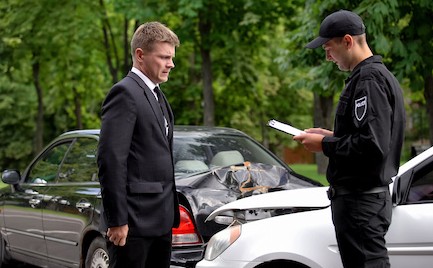
A fatal accident leaves families with grief, shock, and many unanswered questions. In the first days after a deadly crash, fall, workplace incident, or other serious event, it may be difficult to understand how the tragedy happened. Investigators must often look beyond the surface and carefully study the scene, the people involved, and the evidence left behind.
This process can help determine whether the death was caused by negligence, unsafe conditions, defective equipment, reckless conduct, or a preventable chain of events. Families who need to file a wrongful death claim in Chicago may rely on this evidence to better understand what happened and who may be legally responsible.
The Condition of the Scene
Investigators often begin by studying the accident scene as carefully as possible. They may look at the location of vehicles, bodies, debris, damaged property, skid marks, broken glass, blood stains, lighting, weather, and nearby hazards. These details can help recreate the moments before and after the fatal incident.
The scene may change quickly after emergency crews arrive, traffic resumes, or property owners begin cleanup. That is why early documentation can be so important. Photos, measurements, diagrams, and videos may preserve details that would otherwise disappear. Even small clues can help explain whether the danger was sudden, known, ignored, or preventable.
The Timeline Before the Accident
A fatal accident is rarely understood by looking only at the final moment. Investigators often work backward to understand what happened before the incident occurred. They may ask where each person was, what they were doing, how fast vehicles were moving, whether warnings were present, and whether anyone had time to react.
Building a timeline can reveal missed opportunities to prevent the death. For example, a driver may have been speeding for several blocks, a property owner may have ignored prior complaints, or a company may have failed to correct a safety issue. A clear timeline helps show whether the tragedy was truly unavoidable or whether warning signs were overlooked.
Statements From Witnesses and Responders
Witnesses can provide important details that physical evidence alone may not show. A witness may have seen a vehicle run a red light, a worker use unsafe equipment, a dangerous condition remain unfixed, or a person call for help before the accident. These accounts can help fill gaps in the investigation.
Emergency responders may also document valuable observations. Police officers, firefighters, paramedics, and medical personnel may note the condition of the scene, statements made by those involved, visible injuries, safety hazards, or signs of impairment. Their reports can become important records when families later need to understand what caused the fatal event.
Photos, Videos, and Digital Records
Video footage can be one of the most powerful forms of evidence after a fatal accident. Investigators may look for traffic cameras, dash cameras, surveillance footage, doorbell cameras, body cameras, or videos taken by bystanders. Even footage that does not show the exact moment of impact may show what happened before or after.
Digital records may also matter. Cell phone data, GPS records, vehicle event data, electronic logs, text messages, work records, and dispatch information may help explain a person’s actions before the accident. These records can show distraction, speed, location, timing, fatigue, or communication that played a role in the tragedy.
Evidence of Negligence or Rule Violations
Investigators may look for evidence that someone failed to follow safety rules before a fatal accident. These details can help show whether the death resulted from careless or unsafe conduct, such as:
- Traffic violations: Speeding, distracted driving, impaired driving, failure to yield, unsafe lane changes, or running traffic signals.
- Poor property maintenance: Unrepaired hazards, unsafe conditions, or failure to inspect a property.
- Lack of warnings: Missing signs, barriers, lighting, or notices about known dangers.
- Unsafe workplace procedures: Failure to follow safety protocols, provide proper equipment, or correct dangerous conditions.
- Failure to act carefully: Evidence that someone had a duty to prevent harm but failed to take reasonable steps.
These violations can help show that the fatal injury was not simply an accident. When unsafe conduct leads to a death, this evidence may become central to a wrongful death claim.
The Role of Experts
Some fatal accidents require expert review. Accident reconstruction specialists, engineers, medical experts, safety professionals, product specialists, or workplace investigators may be asked to examine the evidence. Their work can help explain complicated issues in a way that families, insurers, judges, or juries can understand.
Experts may review vehicle damage, injury patterns, mechanical failures, building conditions, road design, equipment defects, or medical records. They may also compare what happened against accepted safety standards. Their opinions can be especially important when the other side denies fault or argues that the death could not have been prevented.
Records That Show Prior Warnings
One of the most important questions after a fatal accident is whether the danger was known before the tragedy. Investigators may look for complaints, inspection reports, maintenance records, prior accidents, safety violations, repair requests, employee reports, or internal emails. These records can show whether someone had notice of the hazard.
Prior warnings can make a case stronger because they may show that the responsible party had time to fix the problem but failed to act. A dangerous intersection, broken stairway, unsafe machine, defective product, or careless driver history may all become more significant if there were earlier signs of risk. This evidence can help families understand whether the death was part of a larger pattern.
A Careful Investigation Can Help Families Find Answers
A fatal accident investigation is about more than assigning blame. For many families, it is also about understanding what happened to someone they loved. Clear evidence can answer painful questions, correct false assumptions, and prevent important facts from being ignored or forgotten.
When investigators review the scene, witness accounts, records, videos, expert findings, and prior warnings, they can build a fuller picture of the event. That careful process may help grieving families pursue accountability and protect the memory of their loved one with truth, dignity, and clarity.