

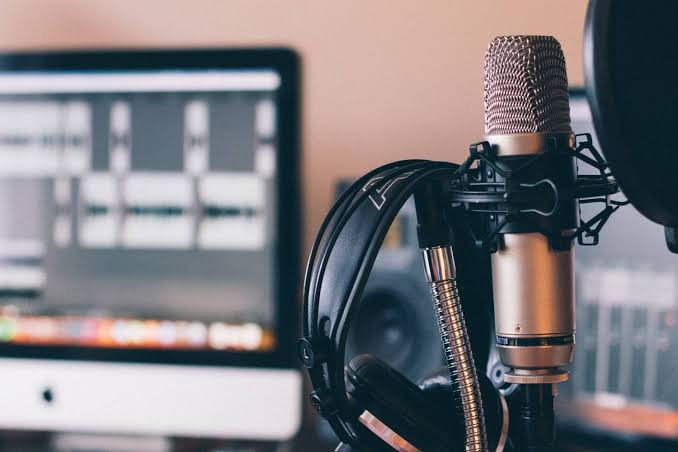
Recording booths are acoustically treated enclosures designed to capture high-quality sound by isolating external sound from filtering into a recording environment. Using a recording booth creates professional-quality sound that’s easier to work with in post-production.
When to Use a Recording Booth
Using a recording booth isn’t always necessary. Knowing when to use a music recording booth starts by understanding how they work and what you intend to achieve. Recording booths work by:
- Isolating external sound, such as traffic, musical instruments, and noise, from leaking into a recording environment
- Absorbing soundwaves to reduce echo and reverberations
- Preventing sound bleed through soundproofing
Here are instances when it’s advisable to use a recording booth:
1. You’re Recording from a Noisy Environment
Unwanted noise from fans, traffic, pets, other people recording in the same space, and neighbors can interfere with sound quality. Soundproofed recording booths block out ambient sound, ensuring clarity in your recordings.
In addition to blocking external sounds, acoustic treatment inside the booth prevents echo by absorbing sound reflections.
If external noise is a major concern for you, choose a recording booth that uses good-quality soundproof materials and construction. This might look like double- or triple-wall construction, which blocks external sound from the recording environment.
It should also have sealed door frames to prevent sound from filtering through the cracks between the door and its frame.
2. You Have a Loud Recording Source
While external noise is a concern, the “noise” you generate while recording might be a concern, especially in residential facilities. A recording booth with bidirectional soundproofing prevents external sounds from filtering into the room, while protecting your neighbors from noise.
This soundproofing gives you a private room to shout, belt, scream, and play loud instruments without it turning into a noise complaint.
While internal soundproofing prevents your music from disrupting others, it creates other acoustic issues, such as echo and reverb.
To prevent this, choose an acoustically treated booth. Acoustic treatment may include:
- Acoustic absorption panels
- Bass traps
- Diffusers
3. You’re Recording Multiple Sources Simultaneously
Recording booths are useful for live recording sessions with multiple sources. It allows you to isolate vocals from musical instruments, therefore preventing sound bleed.
Using voice booths means you don’t have to restart a recording each time someone makes a mistake. You also produce cleaner sound that’s easier to mix and process in post-production.
Choosing the Right Recording Booth
If you’ve determined you need a recording booth, here are tips to find the right booth:
- Choose a model with adequate ventilation and comfortable interiors for a better recording experience. Consider choosing a design with windows to communicate with others or let in natural light.
- Ensure the booth has sufficient space to hold your recording equipment and instruments
- Choose the best quality booth that you can afford
Is a Recording Booth Worth It?
Whether a music booth is the right choice for you depends on the environment you’re working with and your desired recording quality. If you work in a noisy environment, generate a lot of noise during recording, or experience soundbleed, a recording booth is a worthwhile investment.