

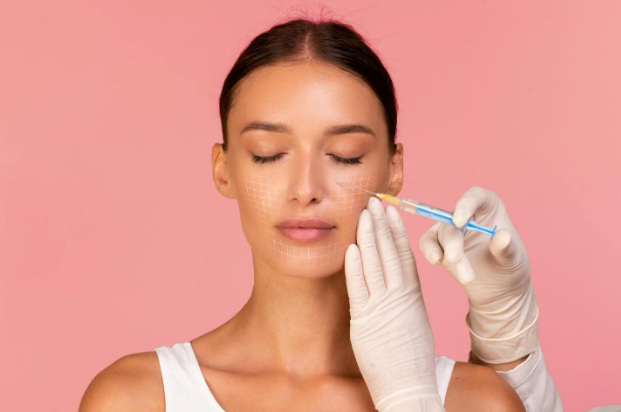
Cheekbones do more heavy lifting for facial structure than most people realize. When cheek volume starts to flatten with age, or was never particularly prominent to begin with, the whole mid-face can start to look tired even when nothing else has changed. That’s the gap filler for cheeks was designed to close, and it’s become one of the more consistently requested treatments among people looking for a non-surgical way to restore that structure.
What Cheek Filler Involves
Cheek filler is typically a hyaluronic acid (HA) gel injected into the cheekbones or the mid-face to add lift, volume, or contour. Because HA already occurs naturally in the skin, the results tend to look more like restored volume than an obvious “added” look, provided the amount and placement are appropriate for the face.
There are generally two goals patients bring to a cheek filler consultation: restoring lost volume (common after your late 20s and into your 40s, as facial fat pads naturally shift) or building structure that was never particularly defined to begin with. The technique and product used often differ depending on the goal, since volume restoration usually requires a softer, more spreadable gel, while a structural lift calls for a firmer one that holds its shape.
Cheek Filler vs. Other Facial Fillers
Filler for cheeks is sometimes confused with jaw or chin filler, but the placement and effect are different. Cheek filler adds width and lift to the mid-face, while jaw and chin filler shape the lower third. Many people end up combining treatments across facial zones, but cheeks are frequently the starting point since mid-face volume loss is one of the more visible signs of aging.
Cheek Filler Cost in Montreal
Cheek filler cost is driven mainly by how many syringes are used, and cheeks tend to require more product than smaller areas like lips or under-eyes because of the surface area being treated. Most patients need one to two syringes per side for a noticeable but proportionate result, though this varies significantly based on existing bone structure and how much volume has already been lost.
When comparing quotes, ask what’s included beyond the product itself. A consultation to assess facial symmetry, the specific HA brand being used, and any planned follow-up appointment should all factor into cheek filler cost, not just the per-syringe price. Clinics that quote noticeably below the local average are worth asking more questions about before booking.
1 ML Cheek Filler Before and After: What Actually Changes
A common search is for 1 ml cheek filler before-and-after images, since many first-time patients want to know what a conservative, single-syringe result actually looks like before committing to more. In most cases, 1 ml is enough to soften a hollow or flat cheek area and create a subtle lift, but it’s rarely enough to dramatically reshape the face. Patients seeking more pronounced contouring, especially across both cheeks and cheekbones, often opt for 2 ml or a staged approach over two appointments.
Photos comparing 1 ml cheek filler before and after are most accurate when taken at least two weeks post-treatment, since initial swelling can make results look more dramatic than they’ll settle into. The final shape depends heavily on where the product is placed. Filler injected higher on the cheekbone tends to lift the whole mid-face, while filler placed lower fills hollows without changing the overall silhouette as much.
What the Appointment Looks Like
A cheek filler appointment usually starts with an assessment of bone structure and where volume has been lost, followed by numbing cream and the injections themselves, which take roughly 20 to 30 minutes depending on how many areas are treated. Most modern HA fillers include a built-in local anesthetic, so discomfort is generally described as pressure rather than sharp pain.
Mild swelling and possible bruising are normal for the first few days. Hyaluronic acid injections settle gradually, with most of the final shape visible within one to two weeks. Strenuous exercise, alcohol, and excessive touching of the treated area are generally discouraged for the first 24 hours to reduce the risk of swelling and bruising.
Cheek Filler for Hydration vs. Structure
Not every cheek treatment is about adding visible volume. Some patients are primarily looking to improve skin texture, hydration, and fine lines on the cheeks rather than reshaping the area entirely. Lighter, hydration-focused injectables like Skinbooster treatments work differently from structural cheek filler, distributing a thinner HA gel just under the skin to improve texture and glow rather than build height or contour. It’s worth clarifying with your injector which goal you’re actually trying to achieve, since the two approaches use different products and techniques.
Choosing the Right Clinic
Because the cheek area sits close to the infraorbital nerve and several blood vessels, technique and anatomical knowledge matter more here than in some other facial zones. At Clinique Main d’Or, professionals regularly perform cheek filler work in small, layered increments and check symmetry from the front and both side angles before finishing. Reasonable questions to ask before booking include how many cheek filler treatments our professionals perform each month, which specific HA brand they use, and what their approach is if one side needs a touch-up to match the other.
Final Thoughts
Cheek filler is a flexible, reversible way to test structural change without surgery. Whether you’re restoring lost volume or building definition for the first time, the outcome depends far more on placement and technique than on the product itself. Have you looked into cheek filler before, or are you still deciding between a conservative 1 ml result and a more noticeable one? What’s the biggest question you still have before booking a consultation?