

Anyone who has watched a camera die mid-take knows the feeling: the shot is gone, the moment is gone, and there’s no getting it back. That’s exactly the problem a v mount battery for camera is built to solve. Originally designed for broadcast cameras, V mount power has become the go-to solution for filmmakers, YouTubers, and hybrid shooters who can’t afford to stop rolling.
What Makes V Mount Batteries Different
Unlike the small proprietary batteries that ship inside most mirrorless cameras, V mount batteries are external power blocks that clip onto a metal plate on the back of a rig. They hold far more energy, so instead of swapping batteries every 30-45 minutes, a single V mount can realistically run a camera, monitor, and wireless video transmitter for several hours. For anyone shooting long interviews, live events, or multi-camera setups, that difference alone justifies the switch.
How to Connect a V Mount Battery to Your Camera
Learning how to connect v mount battery to camera bodies is simpler than it looks. Most setups need three things: a V mount plate attached to a cage or rig, a battery that clicks onto that plate, and a power cable running from the plate to the camera’s DC input (or through a dummy battery adapter for cameras without a direct DC port). Once mounted, the battery slides on and off the plate the same way a phone snaps onto a magnetic mount, so field swaps take seconds rather than minutes.
Camera Compatibility: What to Check Before Buying
Not every battery for v mount camera rigs works the same way with every body, so compatibility is worth checking before you buy v mount battery for camera. A v mount battery sony a7iv shooter uses typically pairs the battery with a dummy-battery adapter, since the a7 IV has no native DC input. The same applies to a sony fx30 v mount battery setup, where the FX30’s small form factor means cage-mounted power is almost mandatory for long shoots. Cinema-style bodies make this easier: a canon r5c v mount battery rig can often run straight off the camera’s DC port, and Blackmagic shooters searching for the best v mount battery for bmpcc 4k setups will find the BMPCC 4K’s built-in DC input makes external power one of the simplest upgrades they can make.
Choosing the Right Battery for Your Rig
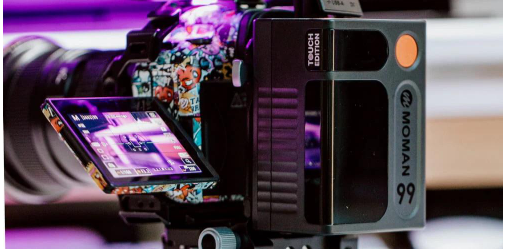
Capacity, weight, and display features are the three things worth comparing. A touchscreen readout that shows real remaining runtime (not just a rough percentage) saves a lot of guesswork on set, and USB-C output lets the same battery top up a monitor or phone between takes. Moman’s 50Wh V mount camera battery is a solid example of this: it’s compact enough for handheld rigs and gimbals, but still holds enough charge for a half-day shoot without a swap, and its touch display gives an accurate runtime estimate at a glance.
For creators comparing multiple capacities and mounting styles side by side, it’s worth browsing a full v mount battery for camera lineup rather than settling on the first option that shows up in a search. Runtime needs differ a lot between a solo run-and-gun shooter and a multi-camera studio setup, and having options to compare makes it easier to match the battery to the actual workload.
Final Thoughts
Whether it’s paired with a Sony hybrid, a Canon cinema body, or a compact Blackmagic camera, a reliable V mount setup takes power anxiety off the list of things to worry about on set. Once a shooter connects one properly and sees how much longer a single charge lasts, going back to small internal batteries rarely feels like an option again.