

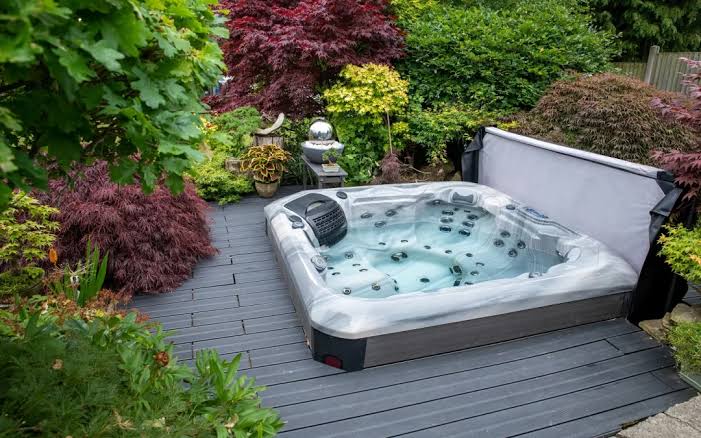
A backyard spa can ease muscle tension, support joint comfort, and create steadier recovery after busy days. For homeowners in Oklahoma City, where summers run hot and winters bring sharp cold, a spa offers practical year-round value. The right model should fit the yard, household routines, and true ownership costs. Knowing what to look for upfront keeps the process focused and practical.
Buyers exploring hot tubs for sale in Oklahoma City make stronger choices by weighing seating posture, jet placement, water volume, insulation, service access, and maintenance demands. Careful planning also prevents surprise expenses tied to electrical work, foundations, delivery routes, covers, and routine water care. The following sections cover each factor worth reviewing before a final decision.
Set a Price Range
A realistic price range should include shell size, hydrotherapy layout, electrical work, pad preparation, cover lifter, steps, delivery access, and first-year supplies. Reviewing hot tubs for sale in Oklahoma City gives households a local baseline for models, water-care products, swim spas, cold plunges, warranty notes, and advertised entry prices before any showroom appointment or site quote in central Oklahoma.
Measure the Backyard
Accurate measurements prevent costly placement problems. A spa needs clearance for steps, cover movement, cabinet panels, and steady walking paths. Concrete pads, patios, and reinforced decks must handle filled weight plus bathers. Drainage, privacy, evening lighting, and wind exposure also shape comfort. Service access should remain open, since pumps, heaters, and plumbing may need inspection later.
Choose the Right Size
Size should follow normal use, not rare gatherings. Two-person spas fit couples, smaller patios, and quieter routines. Four-seat models suit many homes. Five- or six-person tubs give families room without overwhelming the yard. Large units add water volume, heat demand, chemical use, and cleaning time. Extra capacity pays off only when people use those seats often.
Compare Seating Styles
Seating changes posture, circulation, and relaxation. Loungers support the legs, which may reduce lower-back strain for some bathers. Upright seats make conversation easier and help people enter or exit sooner. Mixed layouts serve varied heights. Federal safety guidelines also help buyers choose designs that reduce slip and strain risks. Buyers should test shoulder position, footwell depth, hip angle, and step height before settling on any model.
Review Jet Layout
Jet number matters less than contact points. Strong placement can address shoulders, lumbar muscles, calves, and feet without creating sharp pressure. Adjustable jets help different bathers reduce intensity as needed. Smooth water flow also protects comfort during longer soaks. Pump noise, seat angle, and hand control access often reveal more than a feature sheet.
Check Energy Use
Operating cost depends on insulation, cover seal, pump efficiency, water temperature, and seasonal weather. A tight cover limits heat loss between sessions. Full-foam insulation can help during colder nights. Buyers should request estimated monthly usage, warranty coverage, and service records. Even modest utility savings become meaningful across several years of regular soaking.
Plan Installation Early
Installation planning should begin before payment. Many full-size spas need dedicated electrical service from a licensed professional. Some compact models plug into standard outlets, although heating speed and jet strength may differ. Foundations must stay level, stable, and accessible. Gates, corners, stairs, rooflines, and overhead wires should be measured before delivery day.
Budget for Care
Clean water protects skin, eyes, lungs, and equipment. Ongoing care includes filters, test strips, sanitizer, shock treatment, cover cleaner, and occasional replacement parts. Balanced water also reduces scale, foam, and corrosion. A simple schedule is easier to keep than a complicated routine. Local dealers can match supplies to regional water chemistry and spa systems.
Think Beyond Soaking
Some households benefit from features beyond warm-water relaxation. Swim spas support low-impact movement, resistance exercise, and recovery in one larger unit. Cold plunges may appeal to people focused on post-activity cooling. These choices require more space and higher budgets. Value depends on repeat use, not novelty, so habits should guide the decision.
Compare Warranties
A low sticker price can lose appeal if support is limited. Buyers should compare shell, cabinet, plumbing, electrical, and labor coverage. Clear terms matter as much as duration. Local service access is important because spa transport is difficult and expensive. A dependable dealer should explain delivery, startup help, part availability, and repair scheduling before purchase.
Conclusion
Choosing a backyard spa is easier with a calm, clinical approach to comfort and cost. The best fit balances body support, household size, electrical needs, water care, service access, and expected operating expenses. Buyers should favor models that match daily routines instead of chasing excess features. A well-planned purchase can bring lasting relaxation while keeping maintenance and ownership costs predictable.