

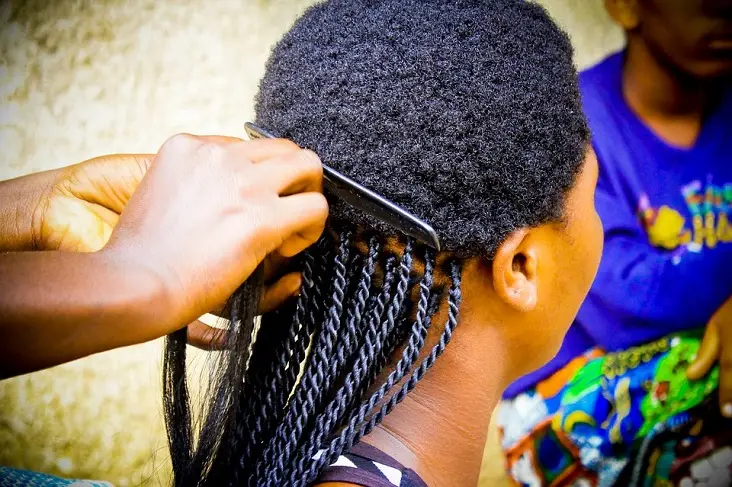
Opportunities for skilled hair braiders have been growing rapidly in the United States for the last couple of years. Working as one means you get the chance to express your creativity and impress your clients with a unique appearance that will be the direct result of your work.
And even though this job comes with some unique challenges, the rewards make it worthwhile. So, if you want to give it a try, here’s what you should know.
What’s Hair Braiding All About?
Hair braiding is a creative art that’s common in African-American communities and similar hair textures. As a hair braider, therefore, you must be comfortable with caring for and braiding hair that’s very textured and has extremely tight curls. You can also go a step further and become a loctician, which is an even more specialised job that involves helping your customers to start and maintain dreadlocks.
Regardless of the path you choose, you want to start the right way, which typically involves taking a braiding license course to meet the requirements for licensing in many states. It’s best to take a course from a reputable education provider like RocketCert, so you’re sure the content you’re studying is updated and of high quality.
How Much Money Can You Make?
One of the most important things you want to know about a career before getting started is how much earning potential it carries. Well, hair braiders make good money in many states. As an entry-level braider, you can expect to earn around $27,000 annually, but the best part is that this amount grows fast and steadily with experience, skill, and a solid reputation.
While the figures seem to be all over the place, a hair braiding session performed by a professional can range anywhere between $100 and $300, depending on factors like the client’s pick and location. If you average two clients a day, you should be able to make a sustainable income over time.
What Certification Do You Need?
The regulations governing this practice vary a lot across the United States. Some states, like Arizona, California, Delaware, Iowa, Michigan, and Washington, don’t require you to have a licence to practise hair braiding.
In the states where this service is regulated (Louisiana, South Carolina, Virginia, etc.), the requirements vary a lot. As such, your best bet is to reach out to your state’s cosmetology board or visit their website to understand the requirements that apply to you.
What’s the Training Process Like?
The knowledge and skills acquired during the training process can differ, depending on the course you choose. That said, here’s what you should expect to learn in a top-quality training course:
- Individual braiding with and without extensions
- Working with wigs
- Twist extensions
- No-knot cornrows
- Faux locs
- Crocheting and yarn braids
In your training, you will also learn about the rules and regulations that govern the cosmetology industry, such as best practices in sanitation and disease transmission. You will also come across information regarding hair types and human biology in relation to the scalp and hair, as well as the common experienced hair disorders.
You want to make sure that the course you choose also includes basic business training. This way, it will be easier for you to open your own shop, market your services, and consult with your customers while managing scheduling effectively.
What Else Should You Know?
Before getting started as a hair braider, it’s also a good idea to join professional groups like the Professional Association for the Beauty Industry or Associated Hair Professionals. Having membership in such groups allows you to network with other professionals in your field, pursue continuing education, and keep up with the trends reshaping the beauty industry. You can also join groups on social media to expand your network.
Once you’ve completed the training and are ready to start offering your services, it’s advisable to start through employment. This is a great way to enhance your skills, increase your confidence, and build a strong client base. And when you’re finally ready to build your own brand, you will have mastered the marketing tricks and tips that work best in this field.
Ready to Get Started?
Hair braiding is a rewarding cosmetology trade that doesn’t require a lot of expensive equipment, tools, and supplies. Getting started, therefore, is a rather straightforward process if you’re passionate. Besides, this career can open new doors in the cosmetology sector.
If you’re ready to start your journey, head over to rocketcert.com to see the state-specific initial training courses they offer.