

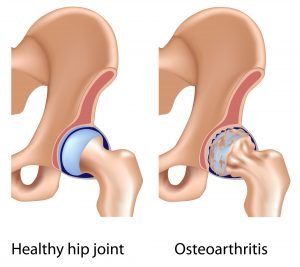
Hip discomfort is one of the most common issues that people face, as they grow older. While it is not as serious as some might think, persistent or worsening pain is a whole different story. In such cases, the prolonged pain could indicate an underlying problem like osteoarthritis.
You don’t need to wait a long time before being sure of what’s going on, and understanding the difference between general hip pain and arthritis can help you take the proper steps towards managing your health. Keeping that in mind, let us explore how hip pain and hip arthritis differ from each other and find out which one of these might be causing you discomfort.
What Causes Hip Pain?
Hip pain usually results from straining your muscles, bursitis, tendinitis, labral tears, or referred pain from the lower back. What’s important to note is that all of these causes are short-lived and improve with a bit of rest or light movement. It is when your pain has already lasted for more than two weeks or is worsening over time that you may need professional evaluation. The practitioner of your choice can rule out a more serious condition with just a few tests.
Is your hip pain actually hip arthritis?
It’s a well-known fact that osteoarthritis is a leading cause of chronic hip pain in adults over the age of 40. But what exactly is it? Well, osteoarthritis of the hip occurs when the cartilage that cushions the hip joint wears down over time. This causes the bones to rub against each other, thus causing pain. It is a condition that develops gradually and causes a lot of negative lifestyle changes. Not only that, but it also leads to inflammation, stiffness, and, if not managed well – a progressive loss of mobility. Now, hip osteoarthritis can happen due to a number of reasons outside your age. Some common risk factors include age, joint injury, excessive stress, genetics, and excess weight.
Symptoms of Hip Osteoarthritis
If someone is suffering from hip osteoarthritis, the pain they’ll feel will be much different than what’s usual in old age. It’ll be a deep, pulsating pain, often felt in the groin or buttocks, especially when sitting down or getting up. You might also notice the pain becoming worse after some movement or lifting any weight. Morning stiffness, difficulty bending, or just stiffness after sitting for long periods will also become an everyday thing. If your condition is at one of its later stages, you might also feel your joints grinding or clicking as a result of your hip muscles weakening.
Key Differences Between General Hip Pain and Osteoarthritis
As mentioned before, general hip pain often follows after some form of overexertion and typically improves within a week or two. Plus, this pain will be dull and annoying at best and won’t interfere with daily activities. On the other hand, osteoarthritis is constant and gradually worsens over time. Another difference worth noting, is the pain location. Generally speaking, mild hip discomfort happens near your outer hip or thigh, while osteoarthritis causes groin pain. The most noticeable difference between the two is the reduced range of motion and the difficulty you’ll feel when walking, which is always suggestive of arthritis. Keep these in mind and proactively notice how your hip feels. If the pain persists, recurs, or limits your ability to move comfortably, it’s time to find yourself a hip surgeon in London.
When should you see a specialist?
Yes, self-assessing can help you track symptoms and determine if you’re suffering from something serious. But keep in mind that you may still need to visit a practitioner, not just to get an early intervention but also if the problem is outright disrupting your life. Once you find yourself an experienced specialist, they will perform a physical examination of your body and may recommend imaging, such as X-rays, to identify joint damage or degeneration. Not only that, but based on your medical history, you’ll receive a personalised management plan to live with the condition more effectively.
Managing Hip Osteoarthritis
The most annoying thing about hip OA is that if you do get it, you’ll need to find ways to live with it quickly. Fortunately, there are many options to help you do just that. First comes the lifestyle changes. Try to manage your weight, engage in low-impact exercises like walking or cycling, eat a healthier diet, and try to get an adequate amount of sleep. Long-term joint health, after all, depends on regular activity, proper body mechanics, and a balanced lifestyle. Staying active is the key to strengthening the muscles that support your hip and help it maintain its range of motion.
Your next best option is to seek structured physical therapy, which can vastly improve your joint flexibility and strength. If the pain is slightly challenging to live with, pain relief options like paracetamol or any non-steroidal anti-inflammatory drug are your best friend. You may even seek corticosteroid injections to gain a bit of temporary relief. However, if the joint damage and pain are putting a pause on your life, then you should consider surgical treatments like total hip replacement. Of course, you need to consult a trusted healthcare professional first before opting for any of the latter three options.
It’s also essential to understand that identifying osteoarthritis early can make a world of difference, giving you a chance to slow its progress. Seeking prompt treatment can help keep your joint functional and avoid surgical interventions later in life. So, do not ignore persistent symptoms at all. It’s the catalyst for your reduced independence as time goes on.
The bottom line
To reiterate, hip pain can stem from numerous causes, but it’s not always a sign of hip OA. There’s no need to panic if you do get diagnosed, either. Remember: This is a manageable condition, especially when caught early, and many people maintain an active lifestyle with the proper support. If you feel worried about your pain at present, there are effective ways to find relief, and consulting a specialist can offer you some much-needed clarity and reassurance. That, in turn, will prevent this condition from taking over your life, and at the end of the day, not giving up your independence is what matters the most.