

Some injuries happen because of one clear mistake. A driver runs a red light, a store employee forgets to clean a spill, or a property owner fails to repair a broken step.
Other cases are more complicated because several safety problems combine to cause one serious injury. A Chesterfield personal injury lawyer can help investigate whether multiple failures contributed to an accident and identify every party that may be responsible.
Why Some Accidents Have More Than One Cause
An injury is not always the result of a single careless act. Sometimes, several unsafe conditions exist at the same time, and each one plays a role in what happened.
For example, a fall may involve poor lighting, a wet floor, no warning sign, and a damaged walkway. A crash may involve speeding, distracted driving, poor road design, and a vehicle defect. Looking at only one problem may miss the full story.
How Multiple Safety Problems Work Together
Safety failures often build on each other. One problem may create a hazard, while another makes it harder to avoid. A third problem may make the resulting injury worse.
Consider a business entrance with a loose floor mat, dim lighting, and no inspection routine. Any one of those issues may be dangerous, but together they can create a much higher risk that someone will trip, fall, and suffer serious injuries.
Premises Liability and Layered Hazards
Premises liability cases often involve more than one dangerous condition. A customer may slip because of a spill, but the claim may also involve poor employee training, delayed cleanup, missing warning signs, or a history of similar incidents.
These details matter because property owners and businesses are expected to take reasonable steps to keep visitors safe. When several safety rules are ignored, it may show that the injury was not just bad luck but the result of a larger failure to manage risk.
Car Accidents With Multiple Contributing Factors
Car crashes can also involve several causes. One driver may have been speeding, another may have made an unsafe turn, and poor visibility or road conditions may have made the collision more likely.
In some cases, a vehicle maintenance issue may also contribute. Worn tires, bad brakes, broken lights, or overloaded vehicles can turn a preventable traffic mistake into a serious crash. A careful investigation helps determine which factors truly mattered.
Workplace and Construction-Related Injuries
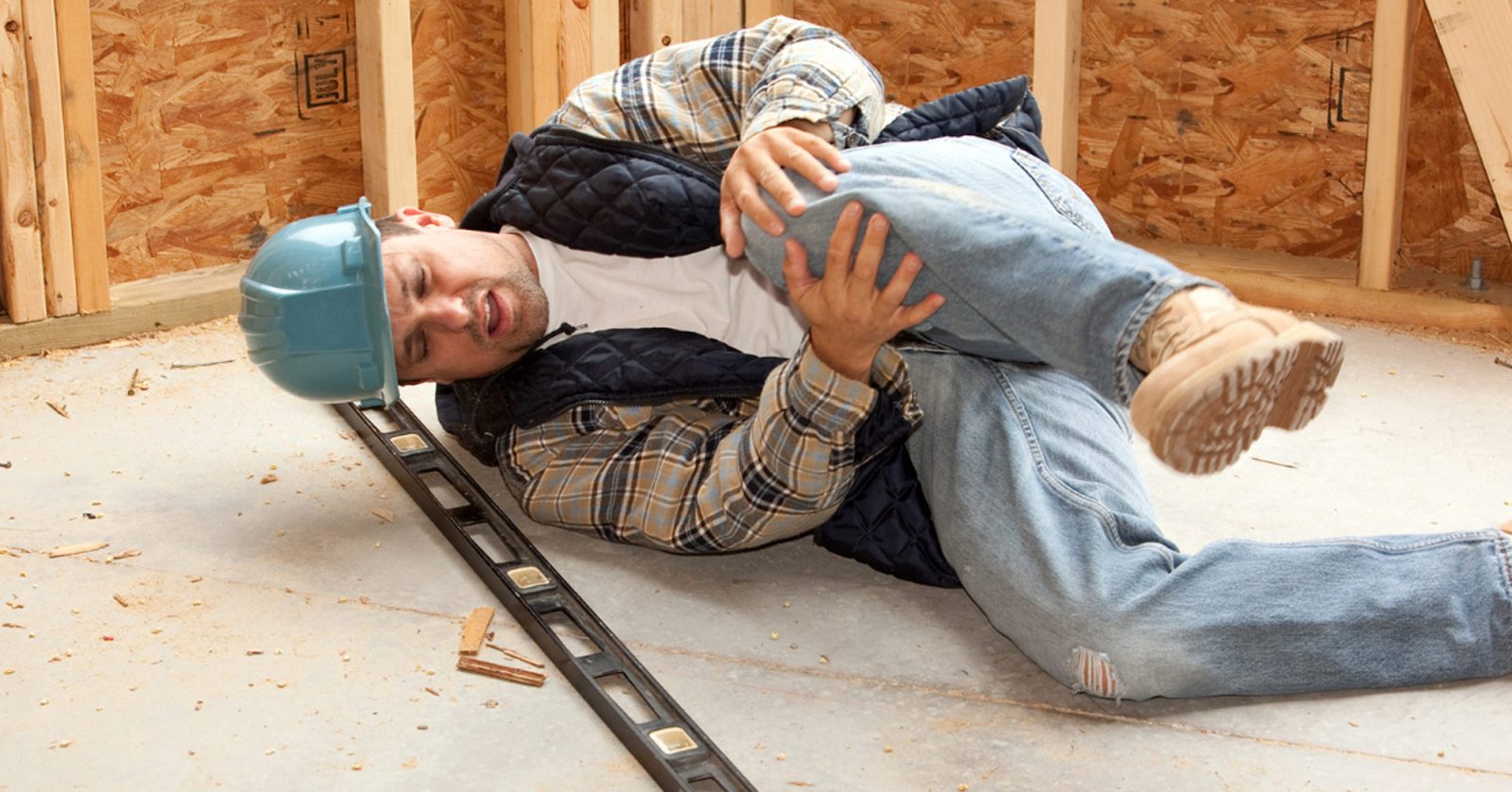
Workplace and construction injuries often involve overlapping safety problems. A worker may be hurt because of missing guardrails, poor training, defective equipment, rushed scheduling, or a subcontractor’s unsafe conduct.
Even if workers’ compensation applies, there may be situations where a third-party claim is possible. This can happen when someone other than the employer, such as a contractor, property owner, equipment manufacturer, or driver, contributed to the injury.
Product Defects and Unsafe Use Conditions
Sometimes an injury involves both a defective product and an unsafe environment. A machine may lack proper guarding, while the company using it may also fail to train employees or maintain it correctly.
In these cases, responsibility may be shared between multiple parties. A manufacturer may be questioned about design or warnings, while a business may be questioned about supervision, inspection, and safe use procedures.
Why Identifying Every Cause Matters
Identifying every contributing safety problem can affect the value and direction of a personal injury claim. If only one issue is investigated, important evidence may be missed and responsible parties may avoid accountability.
This is especially important when one defendant has limited insurance or tries to blame someone else. A full investigation may reveal other parties whose actions, decisions, or failures also contributed to the harm.
Comparative Fault Issues
When more than one safety problem caused an injury, the parties may argue about who was most responsible. Each defendant may try to shift blame to another person, company, or even the injured victim.
This can complicate settlement negotiations. Strong evidence is needed to show how each safety failure contributed to the accident and why the injured person should not be unfairly blamed for conditions they did not create.
Evidence That Can Show Multiple Failures
When several safety failures contribute to an accident, strong evidence can help show how they worked together. Helpful evidence may include:
- Photos or videos
- Inspection records
- Maintenance logs
- Incident reports
- Witness statements
- Employee training materials
- Repair records
- Expert analysis
- Accident reconstruction reports
Acting quickly is important because spills may be cleaned, hazards repaired, video erased, and witnesses harder to find.
Why Insurance Companies May Oversimplify the Case
Insurance companies often prefer a simple version of events. They may argue that only one thing caused the injury or that the injured person should have avoided the danger.
A more complete investigation may show that the situation was not simple at all. When several safety problems existed at the same time, the focus should be on how those problems combined to create an unreasonable risk.
The Role of Expert Testimony
Experts may be useful when the cause of an injury is technical or disputed. A safety expert may explain inspection failures, a medical expert may connect the injury to the accident, and an accident reconstruction expert may explain how a crash occurred.
Expert testimony can be especially important when defendants deny responsibility or blame each other. A clear expert opinion may help connect the evidence and explain why multiple safety failures contributed to the injury.
How Multiple Problems Can Affect Damages
When an injury is caused by several safety failures, the harm may be more severe than it would have been otherwise. Poor lighting may make a fall more likely, while a missing handrail may make the fall more dangerous.
Damages may include medical bills, lost income, pain and suffering, future treatment, reduced earning ability, and other losses. The goal is to show not only what went wrong, but also how those failures changed the injured person’s life.
Seeing the Whole Chain of Negligence
When an injury is caused by more than one safety problem, the case should not be reduced to a single moment. The real question is often what failures existed before the injury and why they were not corrected.
By examining the full chain of events, an injured person may uncover a stronger claim. Multiple safety problems can reveal a pattern of negligence, identify additional responsible parties, and help explain why the accident should have been prevented.