

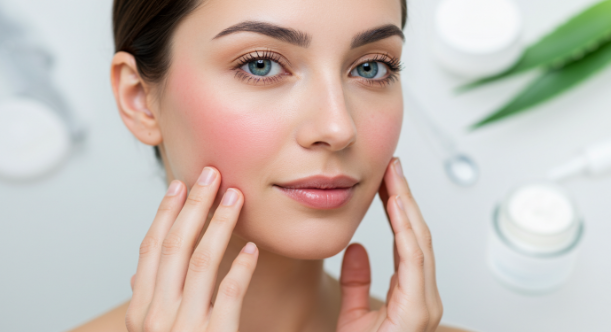
Redness on the skin is not normal. It tells you there is something that needs your attention. Several conditions or factors can turn your skin red and can even lead to itching or irritation. Some people even face inflammation along with redness.
It could also be due to an underlying skin condition that is causing these symptoms. That is why it is always better to gather more information to manage the condition better.
In this guide, we have discussed the science behind redness, what causes it on the skin, and what you can do to cope with it. Plus, we have even outlined some preventive measures to help you prevent flare-ups and avoid complications.
The Science Behind Skin Redness
The skin turns red as a reaction to something. When something unusual happens in a particular area of the skin, blood begins to flow into that area to provide enough energy, heal the skin, and fight allergic reactions or disease.
And that redness could appear due to several factors. It’s just your body’s natural warning system, alerting you to something bad going on there that needs care.
Common Reasons Your Skin Turns Red
Irritation from Harsh Ingredients
When something irritating comes into contact with your skin, the skin perceives it as harmful and increases blood flow there to help it cope with the potential issue. And there are no universal harsh chemicals. Even chemicals in fragrances can irritate someone and lead to redness and other warning signs.
Sun Exposure and Heat
Sun exposure is a common cause of skin redness, also known as sunburn. When the sun’s rays hit your skin directly for a long time, it can lead to redness. Heat and hot environments can also make your skin, or specific areas of your skin, red. Several skincare products can protect your skin from sunburns.
Allergic Reactions
Redness is a common sign of allergic reactions. When something allergic comes into contact with your skin or a disease triggers an inflammatory reaction in your body, it can result in redness on your skin. There are several allergens there. Some individuals are allergic to plants, some to fragrances, some to furniture, and some to paints. There is no permanent solution for allergies. However, it is better to consult a professional for a solution.
Skin Conditions Like Rosacea or Eczema
As we said earlier, several skin conditions have been proven to cause redness and inflammatory reactions. However, common conditions include dry, itchy skin, rosacea, and eczema. The skin develops an inflamed rash and flakiness in eczema. The rash-like appearance also appears in rosacea, but mostly on the face. That kind of redness will automatically fade as you get treatment for the skin condition.
How to Soothe Redness the Right Way
Simplify Your Skincare Routine
Your skincare should be very simple and straightforward. Make sure to clean your skin enough. If it is summer, you have to take regular baths and wash your skin enough to get rid of dust and sweat. Make sure to reduce the use of skincare products when dealing with a skin condition or redness. Replace beauty products with gentle or medicated items. Cleanse your skin regularly and moisturize it enough. To avoid sunburn, use sunscreen.
Cool, Don’t Ice
Cooling the skin can significantly help soothe redness and inflammation. Applying something cold or using a cold compressor is a great way to get quick relief from redness, itching, and irritation. Use some ice cubes and put them in a plastic bag. Put that plastic bag over the affected area and let it sit there for a few minutes. It will provide quick relief but is not an actual solution.
Hydrate Inside and Out
Proper hydration is essential to keep the skin healthy. Loss of moisture can lead to dryness and redness on the skin and can even make it more prone to infections and allergens. Moisturize your skin wth a good moisturizer. Drink enough water, as it also hydrates your skin.
Soothe with the Right Cream
You have to use a good cream that not only nourishes your skin but also creates a strong barrier to prevent oil loss and recover from dryness. An eczema moisturizing cream is the right choice to address moisture loss, redness, and irritation, and to help recover from moisture loss. Interestingly, it is great for individuals dealing with eczema, as it is a common cause of skin redness.
Avoid Triggers
Avoid triggers associated with skin allergy and redness. Make sure to avoid areas with air pollution. Keep your skin covered to be safe from dust. Keep your body clean. Remove sweat regularly to avoid complications. Stress is a known trigger for skin-related issues, so try to cope with it. Don’t use harsh chemicals, beauty products, scented items, and detergents.
Preventive Steps
Make sure to follow these preventive measures, as allergies and redness cannot be fully treated. So the best solution is prevention.
- Strengthen the skin barrier.
- Protect your skin from environmental stress.
- Use gentle fabrics. Cotton is good.
- Reduce stress.
- Limit alcohol and spicy food.
When to Seek Professional Help
Usually, redness on the skin is not a big issue and can be easily soothed with an eczema moisturizing cream and some preventive measures. However, there could be an underlying issue that might lead to complications. These are the factors that indicate there is something serious going on with your skin, and it needs professional intervention.
- If the skin is oozing or bleeding, there are signs of infection
- If the skin is extremely dry or inflamed.
- If there is pain and a burning sensation
- If the skin is damaged or discolored.
- If the condition is not improving or worsening over time.
Final Thoughts
Redness on the skin is common and not a big issue. With the identification of the issue, you can try techniques to soothe dryness or treat an underlying skin condition. It is always better to consult a professional, but don’t ignore preventive measures. Always avoid allergens and irritants that can worsen the condition. We hope you will follow the instructions. Consult a professional if nothing works.