

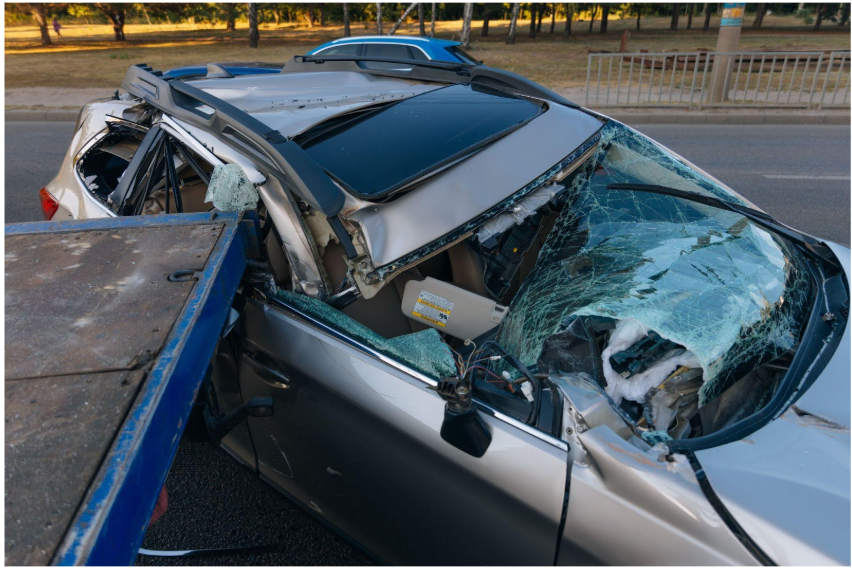
Traffic moves fast in Philadelphia. Streets are busy, lanes are tight, and people are always in a rush. A crash can happen in seconds. What follows is often confusion. Many people think they know what to do next, but a lot of those beliefs are wrong. These misunderstandings can quietly hurt a case before it even begins. Talking clearly about car crashes in Philadelphia matters because the law does not always work the way people expect it to. Knowing a few basics can help someone stay calm, protect their rights, and avoid problems that show up later.
Not Every Car Crash Is “Minor” Under the Law
A small dent does not always mean a small issue. People often think that if cars can still drive away, the crash does not matter much. That is not how the law sees it. Even low-speed crashes can cause injuries that show up days later. Neck pain, back pain, and headaches are common examples.
From a legal view, what matters is not how the crash looks at first glance. What matters is what happened, who was involved, and what harm came from it. Photos, contact details, and a short record of the scene can make a big difference later. Skipping these steps because the crash “seems fine” is a common mistake.
Fault Is Not Always Clear at the Scene
After a crash, people often feel pressure to explain everything right away. Some think the fault must be decided on the spot. That is rarely true. Police officers write reports, but they do not make final legal decisions about fault.
Pennsylvania also follows a shared fault rule. This means more than one person can be responsible for a crash. Even if someone feels partly to blame, that does not end the conversation. Many cases involve details that only become clear after careful review.
Why Saying the Wrong Thing Can Create Problems
Simple words can be misunderstood. Saying “sorry” or guessing about what happened may feel polite, but those words can later be used in ways people did not expect. It is usually safer to stick to clear facts and avoid opinions at the scene.
Insurance Companies Do Not Decide Everything
Insurance companies play a role, but they do not control the car accident law. Many people believe that once insurance is involved, the process will be quick and fair. Insurance adjusters often move fast and may offer early settlements.
These early offers can sound helpful, especially during a stressful time. But they are usually based on limited information. Once accepted, they often end the claim completely. That means future medical costs or issues may no longer be covered.
Understanding that insurance is a business helps set realistic expectations. Asking questions before agreeing to anything is often a smart move.
Medical Care Is About Health and Legal Protection
Some people avoid seeing a doctor because they feel “okay enough.” Others wait because they are busy or do not want to overreact. This delay can cause problems.
Medical records help show a clear link between the crash and the injury. Without them, it can be harder to explain what happened later. Pain that starts days after a crash is still real, but it is easier to support with early medical notes.
Seeing a doctor is not just about recovery. It also helps create a clear timeline that supports any legal claim.
Police Reports Help, but They Are Not the Final Word
A police report is important, but it is not perfect. Officers arrive after the crash and rely on what they see and hear at that moment. Details can be missed. Statements can be unclear. Sometimes basic information is wrong.
The law allows room to correct or explain these issues. A report is one piece of the puzzle, not the full picture. Understanding this helps people avoid panic if something in the report feels off.
Social Media Can Hurt a Claim More Than People Realise
Posting online feels normal. After a crash, people may share updates, photos, or jokes to ease stress. These posts can be taken out of context.
A simple photo smiling at a family event might be used to argue that injuries are not serious. Even old posts can resurface. Staying quiet online during this time is often the safest choice.
Deadlines Apply Even If Recovery Takes Time
The law sets time limits for filing claims. These deadlines are strict. Waiting too long can mean losing the right to act at all.
People often think they should wait until they feel better before dealing with legal steps. That delay can quietly close doors. Learning about timelines early helps avoid this risk.
Common Mistakes People Make After a Crash
- Not taking photos of the scene or vehicles
- Forgetting to collect contact details from witnesses
- Skipping follow-up medical visits
- Accepting a fast insurance offer without review
- Talking too freely about the crash, online or in person
These mistakes are common because stress makes thinking harder. Being aware of them is the first step toward avoiding them.
Closing Thoughts
Car crashes in Philadelphia bring stress, questions, and uncertainty. Many problems start with simple misunderstandings, not bad intentions. Clearing up what people often get wrong helps create space for better decisions. Roads in Philadelphia are busy, and crashes happen, but confusion does not have to follow. A calm approach, basic knowledge, and careful steps can protect both health and legal rights. Understanding how the process works makes it easier to move forward with confidence and clarity.