

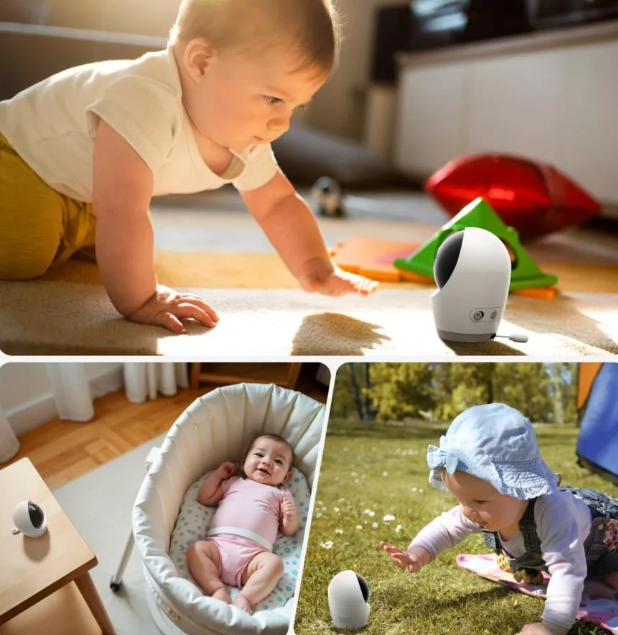
Choosing a baby monitor feels easier when you know which features truly matter. Parents want clear video, reliable alerts, and a secure connection that won’t fail at midnight. With so many options, from simple audio units to smart cameras like the eufy E21 with 4K UHD resolution, 330° pan, 60° tilt, 8× zoom, and a 5,000mAh battery, it helps to compare features side by side. This guide explains what to look for, so you can pick a monitor that fits your home, habits, and budget.
Essential Features Every Baby Monitor Should Have
Video Quality, Night Vision, and Viewing Angles
Clear video helps you see whether your baby is actually awake or just rolling over. Look for at least 1080p, while premium models like the eufy E21 offer 4K UHD resolution for extra detail. Strong night vision matters just as much as daytime clarity, so check reviews and sample footage. A wide viewing angle reduces blind spots, but flexible control is even better. Monitors with pan and tilt let you follow movement, and a good zoom shows breathing, pacifiers, and tiny chest rises.
Audio Clarity, Two-Way Talk, and Alerts
Reliable audio lets you hear small sounds, not just loud crying. Choose a monitor with low background noise and adjustable sensitivity, so the fan or white noise machine doesn’t trigger constant alerts. Two-way talk lets you soothe your baby without entering the room, which can help during sleep training or quick wake-ups. Smart sound alerts notify you when your baby cries, whimpers, or calls out. Some monitors also filter routine noises, so you only get notified when something needs your attention.
Range, Connectivity, and Signal Stability
Range matters if you live in a larger home or spend time in the yard. Check the real-world range, not just the advertised maximum, since walls and floors reduce signal strength. Dedicated-parent-unit monitors avoid WiFi issues, while WiFi monitors offer more flexibility through apps. Either way, you want a stable signal that doesn’t drop when you move around. Look for frequency-hopping or interference reduction. A monitor that maintains a solid connection gives you confidence during naps, nights, and busy evenings.
Advanced Features That Improve Monitoring Experience
Smart Alerts, Cry Detection, and AI Features
Smart alerts and basic AI features help cut through noise and reduce constant checking. Cry detection can distinguish between general room noise and real distress, sending a specific alert when your baby actually cries. Some monitors analyze sound patterns or movement to spot unusual activity, like continuous fussing. Others flag sudden loud noises or temperature changes. While you should not rely on AI for medical monitoring, these tools can support you, especially during the newborn stage or when sleep training feels overwhelming.
App Control, Remote Access, and Multi-Device Viewing
App control lets you check on your baby from your phone, whether you sit on the couch or work late. With remote access, you can view live video, change settings, and talk through the monitor from anywhere with internet. Multi-device viewing lets both parents and sometimes caregivers watch from separate phones or tablets. Check whether the app requires a subscription for full features. A well-designed app with quick loading, clear controls, and encrypted access can make baby monitoring simpler and more flexible.

Pan, Tilt, Zoom, and Full-Room Coverage
Pan, tilt, and zoom features give you full-room coverage as your baby grows and moves more. A monitor like the eufy E21 offers 330° pan, 60° tilt, and 8× zoom, which helps you track a toddler exploring the room or a baby who shifts in the crib. Remote control means you can adjust the view without entering the nursery. Smooth movement and a quiet motor prevent disturbing your baby. As you transition from crib to bed, broad coverage remains useful for years.
Safety, Privacy, and Daily Usability Considerations
Data Security, WiFi vs Non-WiFi Options
Security should sit near the top of your checklist. WiFi monitors offer powerful features but bring hacking risks if you skip strong passwords and updates. Look for encryption, two-factor authentication, and clear privacy policies. Non-WiFi monitors using local radio frequencies feel simpler and often more private, though they lack remote viewing. Decide how much you value app access versus a closed system. For WiFi models, always change default passwords, secure your home network, and keep firmware updated to protect your family’s video feeds.
Battery Life, Portability, and Ease of Setup
Long battery life keeps your baby monitor running through naps, bedtime, and overnight checks without constant charging. A camera powered by a strong battery, like a 5,000mAh unit, offers more flexible placement away from outlets. Portable parent units let you move around the house freely. Easy setup also matters: clear instructions, simple pairing, and intuitive menus save time. Wall-mount options, table stands, and adjustable brackets help you find the best angle. A user-friendly monitor becomes a daily tool, not another tech headache.
Conclusion
The right baby monitor balances clear video, reliable audio, smart alerts, and strong security with everyday convenience. Features like 4K UHD resolution, pan, tilt, and long-lasting batteries, as seen in models such as the eufy E21, enhance your view and simplify care. Think about your home layout, WiFi strength, and how much remote access you need. Focus on safety, privacy, and ease of use rather than just flashy extras. With a thoughtful choice, your baby monitor becomes a practical, reassuring partner in daily parenting.