

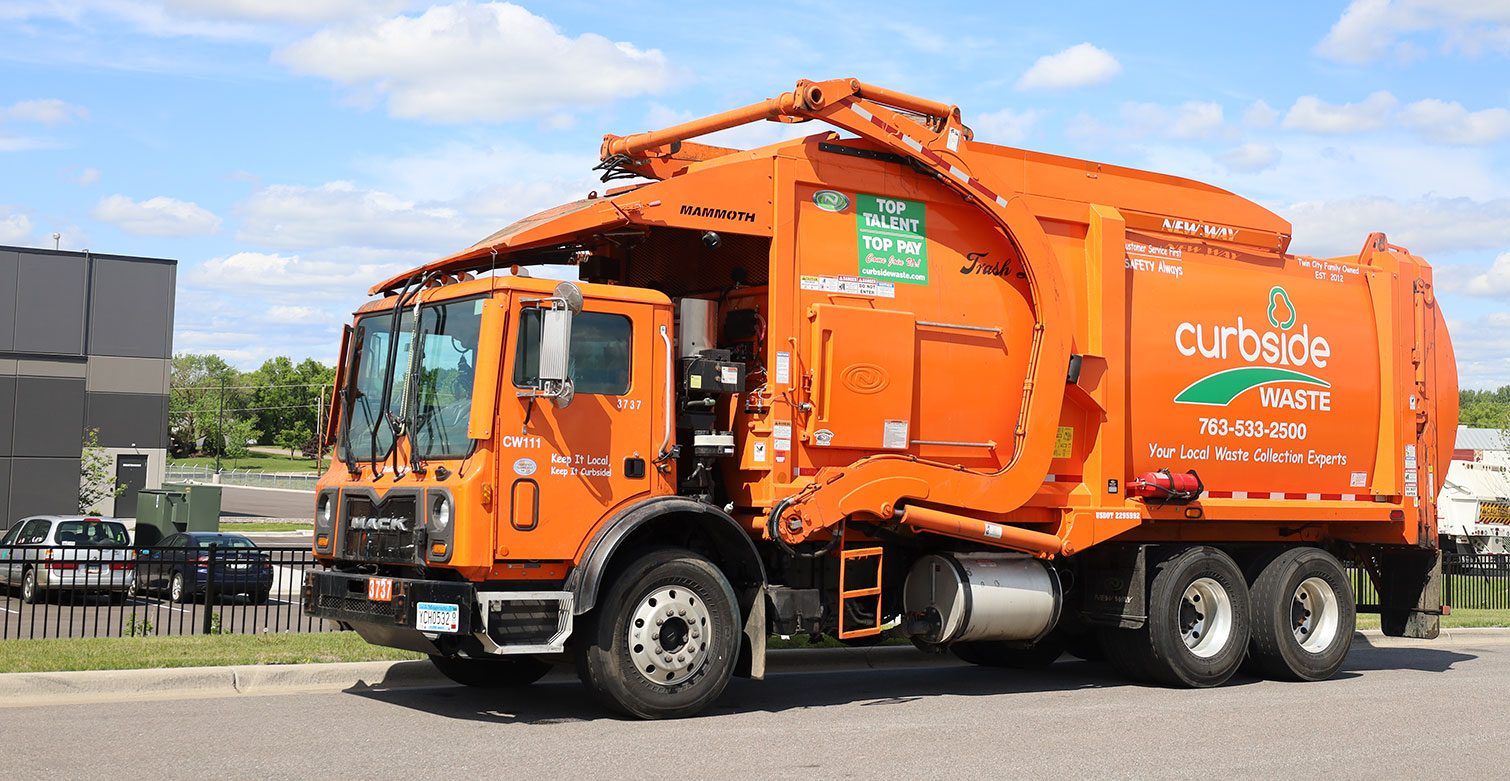
Choosing a disposal service for a renovation, yard clean-up, or large decluttering project requires more than picking the lowest sticker price. Local disposal offerings vary in what they include, how they charge, and how flexible they are with scheduling and materials. To make a smart decision, focus on apples-to-apples comparisons, understand the common fee structures, and factor service reliability and environmental practices into your calculation.
Establish the scope of your job
Before you call providers, define the size and nature of the job. Estimate the volume of waste in cubic yards or by room, and identify any special materials such as electronics, appliances, tires, or hazardous waste that may need separate handling. Knowing whether you need a temporary dumpster, a one-time haul-away, or recurring pickups determines which companies to invite for quotes. Accurate scope prevents surprises and lets you compare like with like.
Get consistent quotes from multiple providers
Collect at least three written estimates from local haulers, transfer stations, and full-service disposal companies. When you request quotes, ask vendors to itemize charges: delivery, pickup, daily or weekly rental rates, weight allowances, and tipping fees. If a company uses a pricing model based on weight rather than volume, request an estimate of expected tonnage and how that converts into the final price. To benchmark market rates quickly, start your online search by checking dumpster rental prices near me and then follow up with phone calls to verify details.
Understand what’s included and what’s extra
Service descriptions often omit crucial limitations. A flat rental fee might cover delivery and a fixed rental period but exclude overage charges for excess weight or materials that require special disposal. Ask which items are prohibited and how they are billed if accepted. Clarify whether the rental fee includes transportation to a landfill or recycling facility, and whether the provider charges extra for steep driveway access, long distances, or complicated drop-offs. A low headline fee can quickly become more expensive once overage rates and handling surcharges are added.
Compare by total cost and cost per unit
To compare options fairly, convert each estimate to a consistent metric. If one quote is weight-based and another volume-based, estimate the expected weight for your debris mix or ask the provider to supply a projected all-in price for the job. Divide the total projected cost by the number of cubic yards or by estimated tons to get a per-unit figure. This normalized number makes it easier to see which provider offers better value, rather than being swayed by an attractive but incomplete base price.
Watch for hidden fees and policy differences
Hidden fees take many forms: fuel surcharges, administrative fees for processing permits, charges for late returns, and fees for debris outside the container. Read the rental agreement carefully for weight limits and overage pricing. Confirm the procedure for contaminated loads—materials that include prohibited items can trigger significant penalties. Ask if the company requires a deposit, if they charge for cancellation, and how they handle disputes. Transparent providers will explain these policies up front and include them in written estimates.
Consider timing, availability, and flexibility
Availability can affect cost and convenience. During busy seasons manufacturers and haulers experience high demand, which can increase lead times or surge prices. Ask each provider how soon they can deliver and pick up the container, and whether they offer flexible extensions if your project runs long. A slightly higher price from a local company that guarantees same-week delivery and reliable pickup may save money compared with a cheaper vendor that can’t meet your schedule.
Factor in environmental and regulatory considerations
Local disposal rules and landfill tipping fees vary widely. A provider that uses a nearby transfer station with low tipping fees might offer better rates than one that hauls to a distant landfill. Equally important is recycling and diversion. Companies that separate recyclable materials or have partnerships with salvage yards may reduce your overall cost and lower environmental impact. If hazardous materials are involved, confirm that the hauler is licensed to handle them and follows proper disposal protocols to avoid fines.
Evaluate reputations and customer service
Price matters, but so does reliability. Read local reviews and request references for similar projects. A provider with consistent positive feedback tends to be more responsive to problems and transparent about pricing. Pay attention to how promptly companies return calls, clarify charges, and explain contract terms—those interactions predict how they’ll behave if issues arise during the job.
Negotiate and lock in the best value
Once you have comparable, itemized bids, use them to negotiate. Vendors often have room to adjust delivery dates, waive minor fees, or offer a lower rate for recurring business or off-peak scheduling. Ask whether discounts apply for nonprofit organizations, large loads, or multi-container orders. When you agree on terms, get everything in writing: the total all-inclusive price, rental period, weight limits, prohibited items, and pickup window. A clear contract avoids disputes and provides leverage if the final bill differs from the estimate.
Balancing cost, clarity, and convenience is the key to choosing the right local disposal service. By defining the scope, securing detailed quotes, comparing all-in costs on a per-unit basis, and considering logistics and reputation, you’ll be equipped to make an informed choice that minimizes surprises and maximizes value.