

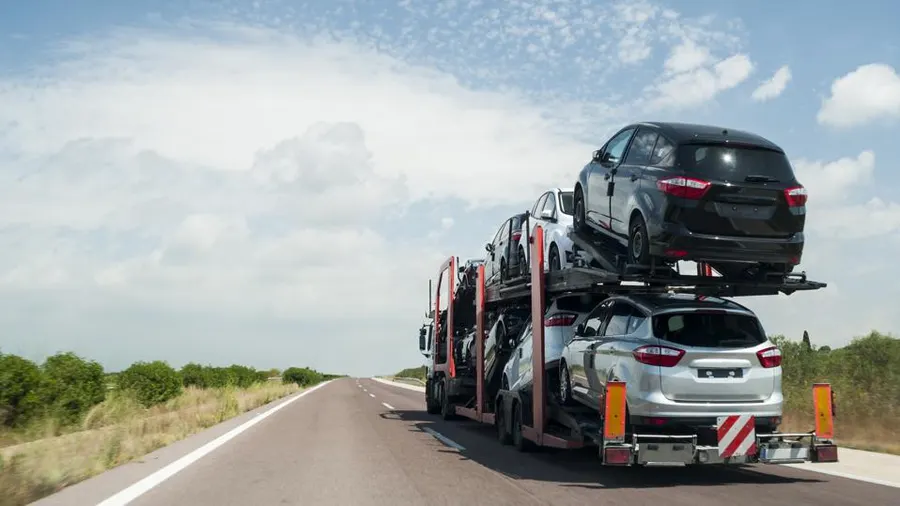
If you’re planning a long-distance move in 2026, one of the biggest decisions is whether to drive your car or ship it.
At first glance, driving seems cheaper. You control the trip, you avoid paying a transport company, and it feels straightforward.
But once you break down the real costs, the answer changes quickly.
In many cases, coast-to-coast auto transport is not only more convenient — it’s also more cost-effective than driving when you factor in everything properly.
Here’s a full 2026 cost analysis to help you decide.
The Real Cost of Driving Across the Country
Most people calculate only fuel when estimating a road trip.
That’s the first mistake.
Let’s break down a realistic example.
Example Route: Los Angeles → New York (~2,800 miles)Fuel Costs
- Average MPG: 25
- Gas price: ~$3.75/gallon
- Total fuel cost: ~$420
Hotels
- 3–4 nights on the road
- $120–$200 per night
- Total: $360–$800
Food
- $40–$70 per day
- Total: $150–$300
Tolls & Miscellaneous
- $50–$150
Total Out-of-Pocket Cost:
👉 ~$1,000–$1,700
And that’s just the visible cost.
The Hidden Costs Most People Ignore
Driving adds real long-term costs that aren’t immediately obvious.
Vehicle Depreciation
Adding 2,500–3,000 miles to your car reduces:
- Resale value
- Lease mileage limits
- Trade-in potential
For newer or high-value vehicles, this alone can cost hundreds — even thousands.
Maintenance & Wear
Long-distance driving accelerates:
- Tire wear
- Oil changes
- Brake usage
- General wear and tear
Lost Time
A coast-to-coast drive takes:
- 3–5 full days
- Additional recovery time
If you’re working, that can mean:
- Lost income
- PTO usage
- Reduced productivity
When you add everything together, the true cost of driving can easily exceed $1,500–$2,500+.
What Coast-to-Coast Auto Transport Costs in 2026
Now compare that to shipping.
Typical pricing for coast-to-coast auto transport:
- Open transport: $1,200–$1,800
- Enclosed transport: $1,800–$2,800+
Pricing depends on:
- Route
- Vehicle size
- Season
- Pickup timing
At first glance, it may look similar — or slightly higher.
But here’s the key difference:
Shipping eliminates almost all hidden costs.
Why Shipping Is Often the Better Financial Decision
When you compare both options side by side:
Driving Includes:
- Fuel
- Hotels
- Food
- Mileage depreciation
- Maintenance
- Lost time
Shipping Includes:
- Flat transport cost
- Minimal vehicle wear
- No travel time
That’s why:
👉 Coast-to-coast auto transport is usually cheaper than driving once you factor in fuel, hotel, depreciation, and lost wages.
For many people, the difference becomes obvious once all costs are included.
Convenience Factor: The Underrated Advantage
Cost is important — but convenience matters just as much.
With transport, you can:
- Fly to your destination in a few hours
- Avoid long-distance fatigue
- Skip unpredictable road conditions
- Save multiple days of travel
For families, professionals, and anyone with a tight schedule, this alone makes shipping worth it.
When Driving Still Makes Sense
There are situations where driving may still be the better choice.
Driving makes sense if:
- The distance is under 500–700 miles
- You enjoy road trips
- You’re transporting pets or personal items
- You have flexible time
For shorter moves, driving is often more practical.
But once you’re crossing multiple states, the equation changes.
When Shipping Is the Clear Winner
Shipping becomes the smarter option when:
- You’re moving coast-to-coast
- Time matters
- You want to avoid mileage
- You’re relocating multiple vehicles
- You’re moving for work
In these cases, coast-to-coast auto transport is almost always the better decision.
Open vs. Enclosed Transport
When shipping, you’ll choose between:
Open Transport
- Lower cost
- Most common
- Faster availability
Best for standard vehicles.
Enclosed Transport
- Higher cost
- Full protection from weather and debris
- Ideal for luxury or high-value cars
For most relocations, open transport is sufficient.
Choosing the Right Transport Provider
Not all transport companies operate at the same level.
Before booking, verify:
- FMCSA registration
- Insurance coverage
- Carrier network quality
- Communication standards
- Pickup flexibility
One company many customers compare when researching nationwide shipping is Navi Auto Transport, which coordinates shipments through licensed carrier networks across the United States.
Final Thoughts
The question isn’t just whether shipping is worth it — it’s whether driving actually saves you money.
In 2026, the answer is clear for long-distance moves:
👉 Coast-to-coast auto transport is usually cheaper than driving once you factor in fuel, hotel, depreciation, and lost wages.
Once you consider the full cost — not just fuel — shipping often becomes the smarter financial and practical decision.
If you value your time, want to protect your vehicle, and avoid unnecessary stress, transporting your car is no longer a luxury — it’s the efficient choice.