

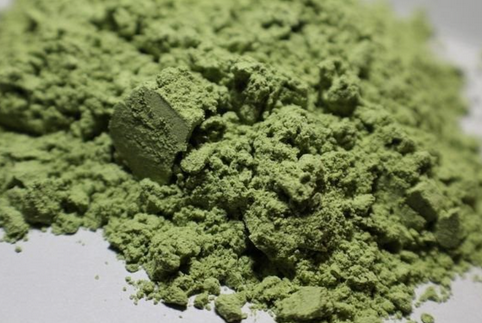
Kratom (Mitragyna speciosa) rose to prominence for its diverse therapeutic applications.
Native to Southeast Asia, kratom has become increasingly popular across Canada for its perceived uplifting and analgesic properties. Some Canadians also administer the plant to wean off opioid withdrawal symptoms, making it a potential solution to the country’s acute opioid epidemic.
One way to unlock kratom’s wellness benefits is to consume fresh products. In this post, we highlight the top storage tips to keep your kratom stash fresh and potent for weeks.
- Choose Quality Packaging Materials
The packaging that kratom comes in determines its shelf life. So, if you’ve been wondering how to store kratom in Canada, you’d want to start with a premium packaging material.
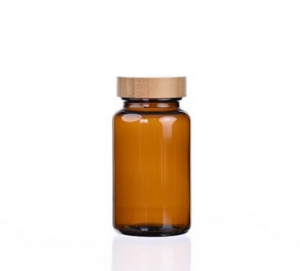
Glass is the gold standard for kratom storage due to its superior thermoregulatory properties. The material handles extreme temperature and humidity fluctuations remarkably well, minimizing potential degradation by either environmental factor.
Some vendors also prefer High-Density Polyethylene (HDPE) – a special plastic noted for its tough and durable properties. HDPE is also ultra-light and chemical-resistant, making it ideal for storing kratom in rooms exposed to oil spills.
- Store Kratom Alone
Always store kratom alone! Never use the same container for other products, whether dietary supplements or botanical extracts.
It’s also best to refrigerate kratom alone. Certain food items, particularly strong-smelling products like butter and garlic, can alter kratom’s natural flavors.
Note that fresh kratom has an earthy scent and taste similar to lemongrass. If you pick any other flavors after weeks of storage, that indicates potential chemical degradation.
- Prioritize Airtight Containers
Oxygen can oxidize kratom, altering its alkaloid profile. Using glass jars with airtight seals is the surest way to avoid oxygen-aided degradation.
Seek out containers that come with secure lids. Even better if the jar is new, as older ones may not seal properly.
If you’re buying kratom in plastic bags, ensure the package is vacuum-sealed and food-grade. This is particularly important if you’re ordering kratom for short-term usage.
- Set the Jar in a Dark Room
Sunlight may aid photosynthesis in kratom plants. But once kratom is harvested and processed into consumer formulations (powders, capsules, or extracts), it becomes highly susceptible to ultraviolet (UV) damage.
Store your stash in opaque jars to minimize light-induced chemical degradation. To further block UV radiation, set the containers in dark cupboards.
A visual inspection can reveal potential UV damage. As a thumb rule, shun kratom powder that appears dull colors or with brownish tints.
- Maintain the Ideal Room Temperature
Heat can accelerate kratom spoilage, impacting its flavor and potency. Studies investigating the impact of pH and temperature on botanical extracts found that alkaloids remain stable at around 104 – 140 degrees Fahrenheit (40 – 60 degrees Celsius).
Significant degradation typically occurs in temperatures around 212°F – 356°F (100°C and 180°C).
As with most herbal extracts, store kratom in a cool environment. Keep your stash away from indoor heat sources, including;
- Direct sunlight
- Space heaters
- Fire pits
- Microwaves
- Incandescent bulbs
To keep the ambient temperature in check, monitor the storage room consistently using a thermostat.
- Keep Relative Humidity in Check
Dampness can attract mold and bacteria to stored kratom, reducing its quality and opening you up to multiple respiratory ailments.
Maintain relative humidity (RH) levels between 25% and 40%. Anything higher can lead to dampness, while very low RH may cause kratom to lose its trace moisture and become overly dry.
Besides, keep kratom jars away from humid places, such as the bathroom and kitchen sinks. Slipping food-grade silica gel into the storage container may further help to keep the contents dry.
- Label Each Container Clearly
Correct labeling can prevent unintended contact with stored kratom. While kratom vendors ship in unbranded packages to keep your deliveries discreet, clearly label each container with the plant’s name.
You may also incorporate other pertinent details like the strain and dosage recommendations. More importantly, highlight the expiration date. This helps dispose of older batches and minimize exposure to stale products.
Remember to also keep kratom away from unauthorized access, notably out of reach of children and pets. Some recommended locations include high shelves and closed cabinets.
- Maintain Good Hand Hygiene
Proper hand hygiene is critical when handling your kratom stash. It prevents germ transfer, which could lead to both immediate contamination and gradual quality degradation. A good practice is to wash your hands with soap and clean water before handling any kratom product.
Besides, scoop kratom powder with a spoon or spatula instead of using your hands. For extracts, use the dropper carefully, keeping the tips away from your skin or other potentially contaminated surfaces.
If you plan on using kratom for a longer period, divide it into smaller bags and label each. This reduces contact with larger powders.
Summary
Implementing proper kratom storage tips is a critical step towards preserving your stash. However, it’s only half the work. For extended freshness, insist on premium-quality products.
Start by sourcing all kratom from reputable Canadian vendors with at least 5+ years of active industry presence. Whether you’re shopping locally or online, prioritize stores that enjoy impressive feedback from their previous customers.
Besides, select lab-tested kratom. A Certificate of Analysis (CoA) from an independent laboratory should accompany each product, validating its biological safety and efficacy.
Even better if you can find kratom obtained from organic farms in Southeast Asia, the herb’s native range. By utilizing natural cultivation methods, growers are able to yield toxin-free, high-potency products.