

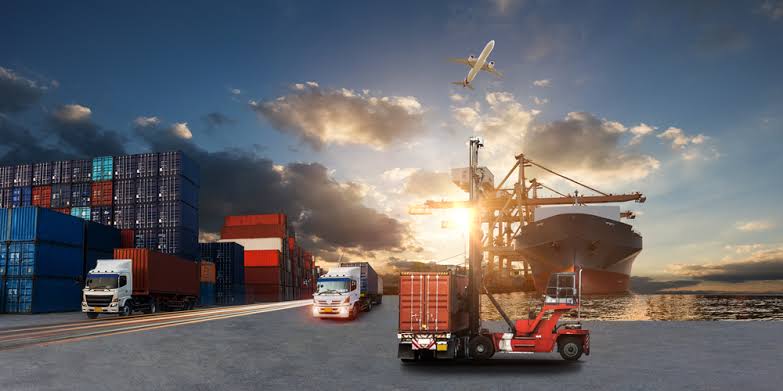
Moving goods across borders involves more moving parts than most businesses realize. From customs paperwork to choosing the right transport mode, every decision affects your delivery times, costs, and customer satisfaction. That’s why understanding how freight forwarding actually works can make a real difference to your bottom line.
This guide breaks down the most common questions about freight forwarding in plain language. Along the way, we’ll look at industry statistics that show why this sector matters so much to British businesses. Whether you import raw materials, export finished products, or manage a busy supply chain, the answers below will help you make smarter logistics decisions.
What is freight forwarding and how does it work?
Freight forwarding is the process of organizing the shipment of goods from one place to another on behalf of a business. A freight forwarding UK provider acts as the link between you and the carriers that physically move your cargo by road, sea, or air. Rather than handling each part of the journey yourself, you hand the complexity to specialists who coordinate everything from collection to final delivery.
A good freight forwarder manages customs clearance, documentation, warehousing, and tracking. They negotiate rates with carriers, book cargo space, and make sure your goods comply with international regulations. For most businesses, this saves enormous amounts of time and reduces the risk of costly errors.
The global freight forwarding market was valued at around $190 billion in recent years and continues to grow steadily. This reflects just how essential these services have become to trade across every industry.
Why do UK businesses use freight forwarders?
The simple answer is efficiency. Managing international logistics in-house requires deep knowledge of customs rules, carrier networks, and shipping schedules. Few businesses have the resources or expertise to do this well on their own.
Freight forwarders bring established relationships with carriers, which often means better rates and priority access to space. They also handle the paperwork that trips up so many shippers. Customs delays can hold up goods for days, and a single error on a declaration can lead to fines or rejected shipments.
Consider these reasons businesses rely on professional forwarders:
Cost savings through negotiated carrier rates and consolidated shipments
Time savings by outsourcing complex documentation and coordination
Reduced risk thanks to compliance expertise and goods-in-transit insurance
Visibility through tracking systems that show shipment status at every stage
Around 90% of world trade is carried by sea, which highlights how much businesses depend on reliable forwarding partners to keep supply chains moving.
How much does freight forwarding cost in the UK?
There’s no single price tag for freight forwarding because every shipment is different. Costs depend on the weight and size of your cargo, the distance traveled, the transport mode, and the level of service you need.
Air freight tends to be the most expensive option, but it’s also the fastest, often delivering goods worldwide within two to three days. Sea freight costs far less per unit, making it ideal for bulky or non-urgent shipments. Road freight sits in the middle and works well for European deliveries.
Additional charges may include customs duties, port fees, fuel surcharges, and insurance. A reputable forwarder will provide a clear, itemized quote so you know exactly what you’re paying for. Many providers now offer online portals where you can request quotes instantly and compare options.
What’s the difference between freight forwarding and haulage?
People often confuse these two services, but they serve different roles. Haulage refers to the physical transport of goods, usually by truck, from one point to another. It’s about moving cargo over land.
Freight forwarding is broader. It covers the entire logistics process, including booking transport, arranging customs clearance, managing documentation, and coordinating multiple carriers across different modes. A haulier moves your goods; a freight forwarder organizes the whole journey.
Many companies, including Rapid Transport & Logistics, offer both services. This lets businesses handle local truckloads and international shipments through a single trusted partner, which simplifies the process considerably.
Which transport mode should you choose?
Choosing between air, sea, and road freight depends on your priorities. Each mode has clear strengths, and the right choice often comes down to balancing speed against cost.
When air freight makes sense
Air freight suits urgent, high-value, or time-sensitive shipments. If you need goods delivered across continents in days rather than weeks, this is your fastest option. The trade-off is higher cost, so it’s best reserved for shipments where speed truly matters.
When sea freight wins
Sea freight is the workhorse of global trade. It carries the vast majority of cargo worldwide and offers the lowest cost per unit for large volumes. Delivery takes longer, often several weeks, but for heavy or bulky goods that aren’t urgent, the savings are substantial.
When road freight fits best
Road freight is the go-to choice for moving goods within the UK and across Europe. It offers flexibility, door-to-door delivery, and reasonable costs. For European groupage, where smaller loads share truck space, road freight keeps prices low while maintaining reliable schedules.
How long does international freight forwarding take?
Delivery times vary widely based on the transport mode and destination. Air freight is the quickest, typically reaching international destinations within two to three days. This makes it the preferred choice for tight deadlines.
Sea freight takes considerably longer. Depending on the route, ocean shipments can take anywhere from a couple of weeks to over a month. Road freight within Europe is far quicker, with same-day and next-day options available for nearby destinations.
Customs clearance can add time to any shipment. Delays here are common when paperwork is incomplete or incorrect, which is another reason working with an experienced forwarder pays off. Professional forwarders know how to keep goods moving through customs smoothly.
What role does technology play in freight forwarding?
Technology has transformed how freight forwarding operates. Online booking systems, real-time tracking, and digital documentation have made the process faster and more transparent than ever before.
Tracking tools let businesses monitor shipments around the clock. Instead of wondering where their goods are, customers can check the status at every stage of the journey. At Rapid Transport & Logistics, over 90% of customers use the online portal for quotations and tracking, which shows how much demand there is for digital convenience.
These systems also reduce errors. Automated documentation cuts down on manual paperwork mistakes, while integrated platforms connect shippers, forwarders, and carriers in one place. The result is a smoother, more reliable shipping experience.
How do you choose a reliable freight forwarder?
Picking the right partner comes down to a few key factors. Experience matters enormously, since logistics involves countless details that only seasoned forwarders handle confidently. Look for providers with a strong track record and established carrier relationships.
Keep these criteria in mind when comparing forwarders:
Network reach to ensure they cover your shipping routes
Insurance coverage such as goods-in-transit protection for peace of mind
Customer support with responsive teams and clear communication
Technology including tracking and online booking tools
Transparency with honest, itemized pricing and no hidden fees
A forwarder that ticks these boxes will save you time, reduce costs, and keep your supply chain running smoothly. It’s worth taking the time to find a partner you can trust for the long term.
Why freight forwarding matters more than ever
Global trade depends on efficient logistics, and freight forwarding sits at the heart of it all. As supply chains grow more complex and customers expect faster delivery, the value of a skilled forwarding partner keeps rising. Businesses that get logistics right gain a real edge over competitors.
The statistics tell a clear story. With most world trade carried by sea and the forwarding market worth hundreds of billions, this is an industry no serious business can ignore. The right partner turns logistics from a headache into a competitive advantage.
If you’re looking to move goods reliably across the UK or internationally, the next step is finding a forwarder who understands your needs. Rapid Transport & Logistics offers door-to-door freight forwarding backed by years of experience and a network built for speed. Reach out for a tailored quote and see how the right logistics partner can help your business grow.